
Best Atlanta Fall Events 2026
Atlanta in fall is when calendars get crowded fast. One weekend you’re trying to lock down parade viewing, the next you’re juggling parking, weather, tickets, and whatever costume or clear-bag rule the event just posted. If you’re an attendee, the goal is simple: have a great time without turning the day into a logistics headache. If you’re a vendor, venue operator, property manager, or organizer, you’re thinking about a different layer entirely. Crowd flow, staging, waste, teardown, and how to get a space ready again by the next morning.
That’s why the Best Atlanta Fall Events aren’t just the flashiest names on a social feed. The best ones combine strong programming with workable real-world logistics. Atlanta has long shown it can handle large-scale events. The 1996 Atlanta Olympic Games brought 10,318 athletes from 197 National Olympic Committees, sold 8.3 million tickets, attracted over 2 million visitors, and generated at least US$5.14 billion in economic impact. The scale is different from a neighborhood festival, but the lesson holds. Successful events depend on setup, turnover, and cleanup just as much as headliners or parade routes.
Fall is also where Atlanta’s range really shows. You’ve got massive fandom gatherings downtown, major civic celebrations in Midtown, neighborhood Halloween chaos in Little Five Points, and family-focused outings that work for kids, grandparents, and everyone in between. Some events reward careful advance planning. Others are best when you show up early, travel light, and let the neighborhood energy carry the day.
Below is the local shortlist I’d recommend for 2026. These picks balance atmosphere, ease of attendance, and practical reality. You’ll get the fun stuff, but also what works, what doesn’t, and where cleanup and sustainability matter more than is often recognized.
1. Dragon Con
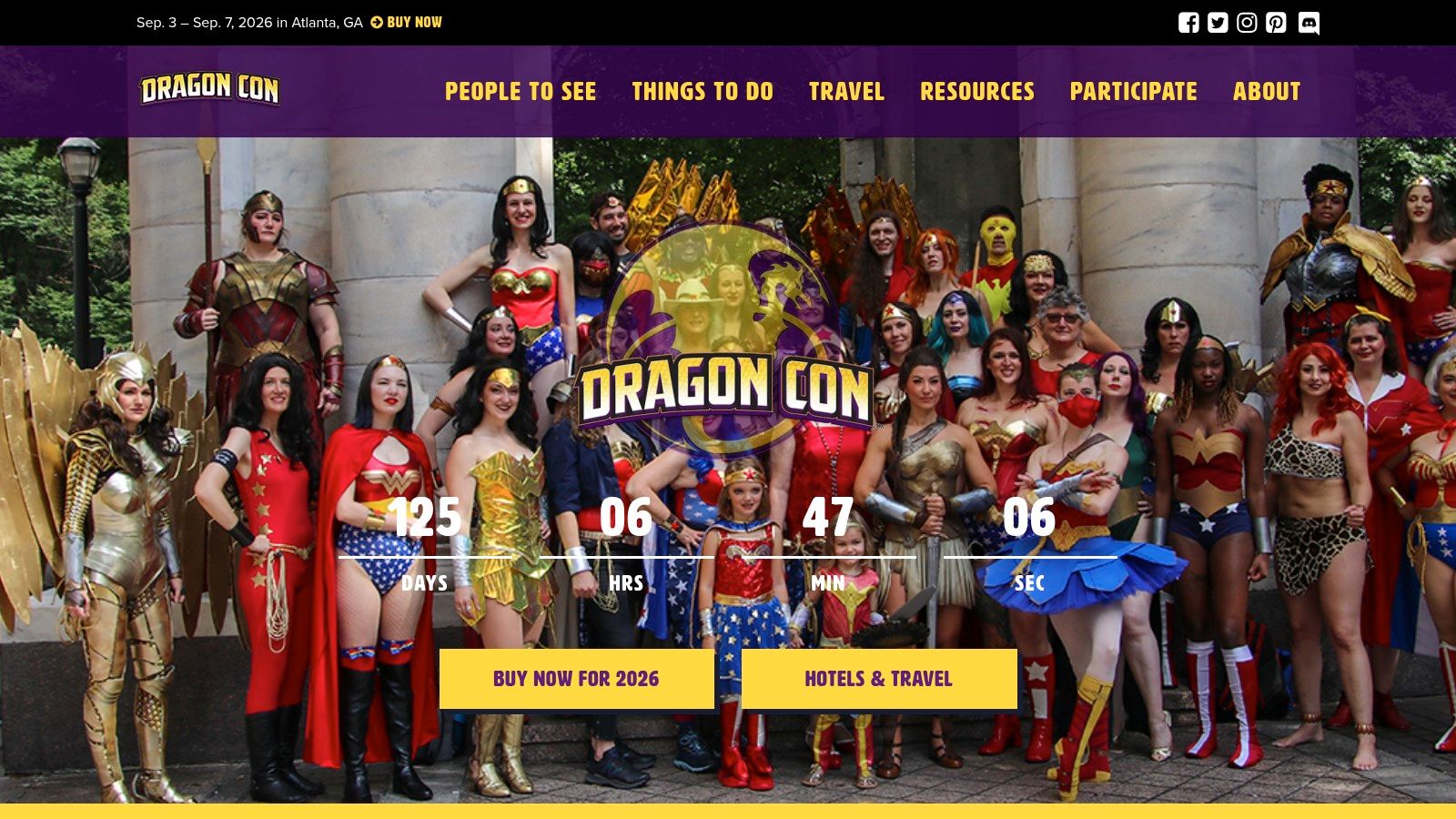
If your idea of fall starts with cosplay, panels, fan photography, and packed sidewalks downtown, Dragon Con is still the king of Atlanta’s early fall calendar. It sprawls across multiple hotels and venues, so it feels less like a single convention hall and more like a temporary pop-culture district. That scale is why people love it, and it’s also why first-timers sometimes underestimate it.
The event rewards people who treat it like a city navigation exercise. Comfortable shoes matter. Backup phone charging matters. Knowing which panels are “must do” versus “nice if convenient” matters even more. If you want a local team for downtown hauling, venue support, or event-related debris removal, Atlanta commercial junk removal support is the kind of operational backup that makes a difference behind the scenes.
What works best
Dragon Con’s biggest strength is variety. You can build your weekend around celebrity panels, gaming, maker culture, nightlife, or the parade and still leave with a list of things you didn’t get to do. The parade is especially valuable because it gives non-badge holders a real way to enjoy the event from the street.
Its website is the place to monitor programming, access details, and lodging guidance at Dragon Con.
- Best for variety: You’re not betting your whole weekend on one stage or one exhibit hall.
- Best for groups with different interests: One person can chase comics, another gaming, another costuming, and nobody feels stuck.
- Best free option: The parade gives spectators a strong Dragon Con experience without committing to a full badge.
Trade-offs you need to respect
The downside is crowd density. Moving between venues takes time, and a “quick stop” can become a long detour when sidewalks, lobbies, and skybridges fill up. Hotel pricing and availability also become a serious issue if you wait too long.
Practical rule: Don’t overschedule Dragon Con. Pick a few anchor events each day, then leave space for lines, walking, and unexpected finds.
For organizers and hotels, Dragon Con is also a reminder that event success keeps going after attendees leave. Multi-venue events generate costume packaging, temporary signage, vendor waste, and room-reset pressure. Fast post-event clearing matters because downtown spaces rarely get much recovery time before the next booking.
2. Atlanta Pride Festival & Parade
By late morning, Piedmont Park starts filling with friend groups trying to text their way back together, parade watchers choosing curb spots, and vendors already thinking about what teardown will look like after a long day outdoors. Atlanta Pride works because the celebration feels open and welcoming, but it runs best when people treat it like a major city event instead of a casual park meetup.
The setting does a lot of the heavy lifting. Piedmont Park gives attendees a recognizable home base, and that matters. Groups can split off for the parade, stage programming, or community booths, then regroup without crossing half the city. For teams that handle event hauling or post-festival waste in different parts of metro Atlanta, Fulton Junk Removal service areas around metro Atlanta show how wide that support footprint often needs to be on busy event weekends.
Why it earns a spot every fall
Atlanta Pride reaches more people than niche fan events because the format is flexible. Families can keep it daytime and park-centered. Community organizations can focus on outreach. First-timers can watch the parade, walk the vendor rows, and still feel like they got the full experience.
Official schedules, access details, and updates belong on the Atlanta Pride website.
The practical advantage is concentration. Parade energy, festival programming, and community presence all sit in an area that already knows how to handle large public gatherings. That does not remove the pressure on streets, rideshares, restrooms, trash stations, or nearby businesses. It just makes the event easier to plan well if you respect the logistics.
How to handle the day better
Parking is the first place people lose time. Driving separately and trying to meet near the park sounds simple until roads tighten, curb access disappears, and everyone arrives from a different direction. Pick one arrival plan before anyone leaves home.
A few tactics help:
- Set one hard meetup point: Choose a landmark inside or right outside the park, not a vague “near the parade.”
- Use transit or rideshare if your group can: It reduces parking friction and cuts some of the traffic load around the park.
- Pack for waste and weather: Bring a reusable bottle, a small bag for your own trash, and layers that can handle sun or rain.
- Vendors should plan teardown early: Separate cardboard, food waste, and booth materials before closing time so pack-out goes faster.
That last point matters more than people think.
Outdoor festivals usually strain operations at the end, not the beginning. Once attendees leave, crews still have to clear food service waste, recover recyclable material, break down temporary setups, and get the park and surrounding streets back into usable shape. If suppliers, decorators, or fabricators are staging from the north side, cleanup support like junk removal service in Sandy Springs can be part of the larger event plan.
For organizers, Pride is also a good test of whether sustainability goals are real or just branding. High-traffic festivals produce compostables, recyclables, single-use packaging, damaged signage, and abandoned booth material in a short window. The teams that perform best usually make disposal rules clear before load-in, place waste stations where people will use them, and treat post-event cleanup as part of the attendee experience, not an afterthought.
3. Little 5 Points Halloween Festival & Parade
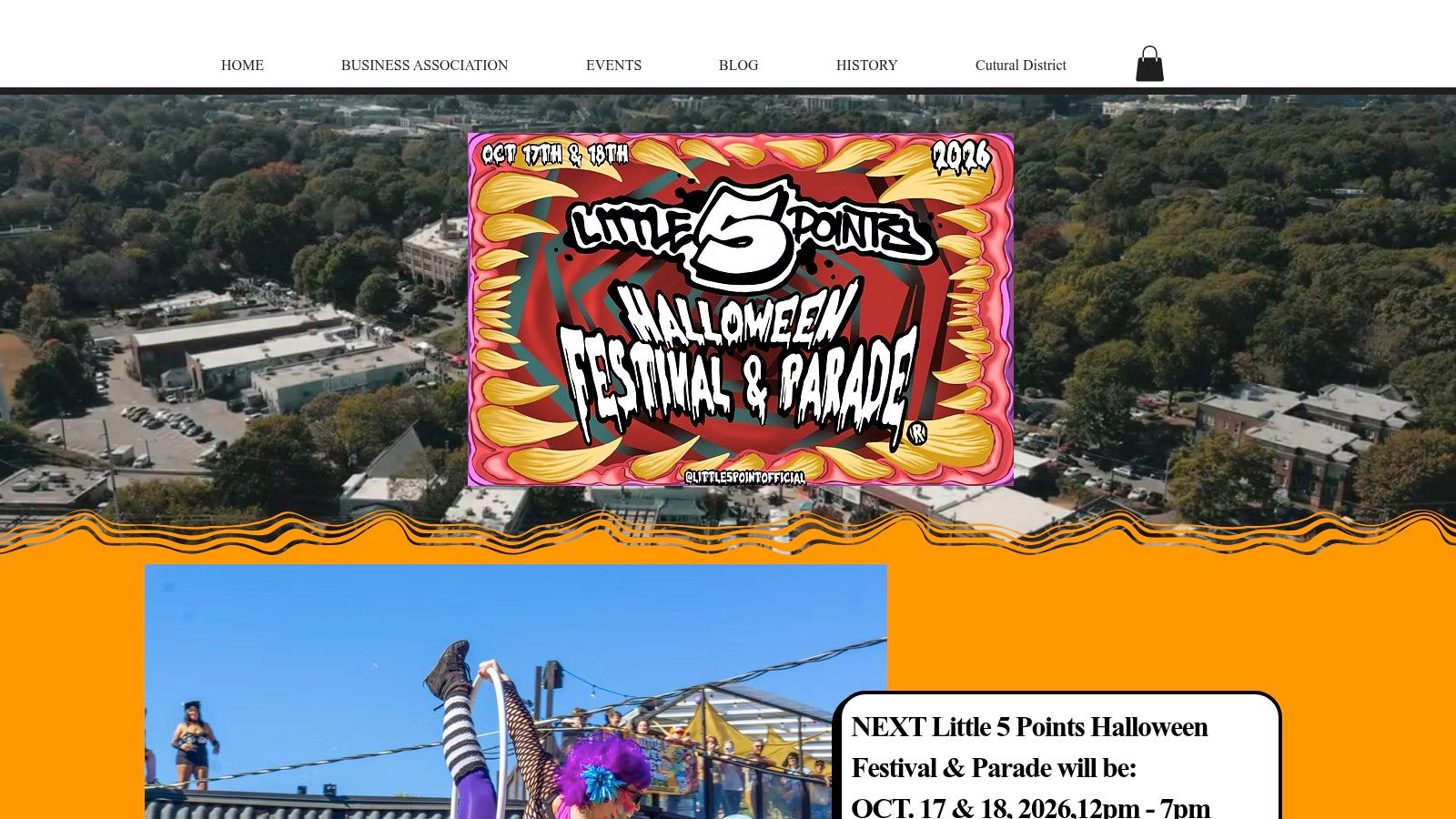
Little 5 Points does Halloween the way Atlanta should do Halloween. Weird, handmade, local, loud, and unapologetically visual. This isn’t a polished, corporate fall activation. It feels neighborhood-driven, which is exactly why the parade and surrounding street festival stay memorable.
For attendees, this is one of the best free events of the season. For photographers and costume people, it’s a gold mine. For anyone who dislikes close crowds or disorganized parking, it can turn on you quickly if you arrive at the wrong time.
The right way to approach it
The neighborhood layout and road closures mean you should think transit-first. If you can avoid driving, do it. If you can’t, park farther out and walk in with realistic expectations. This isn’t an event where you should expect easy curb access near the heart of the action.
If your cleanup or hauling needs extend north of intown neighborhoods, junk removal support in Sandy Springs is one example of how event-related services often need to follow where vendors, fabricators, and organizers are based.
You can track official event information at the Little 5 Points Halloween Festival page.
What it does better than bigger festivals
Little 5’s edge is personality. Big civic events often run smoother, but they can feel generic. This one keeps the DIY spirit intact. The neighborhood shops, costumes, and parade creativity make it feel rooted rather than imported.
- Best for local flavor: You get Atlanta character, not just an event template.
- Best for casual attendance: You can drop in for a few hours and still get the full effect.
- Best for costume watchers: Few events in town are this consistently photogenic.
The trade-off is density. Once the streets fill, it becomes more about managing your own movement than following a strict plan.
Show up earlier than you think you need to. At neighborhood festivals, the best hour is often before the peak crowd arrives, not during it.
From an operations angle, neighborhood events have their own cleanup challenge. Streets reopen. Merchants need access back. Temporary fencing, food-service waste, cardboard, signage, and broken-down booths can’t linger. Smaller footprint doesn’t mean simple teardown. It usually means less room for mistakes.
4. Cabbagetown Chomp & Stomp
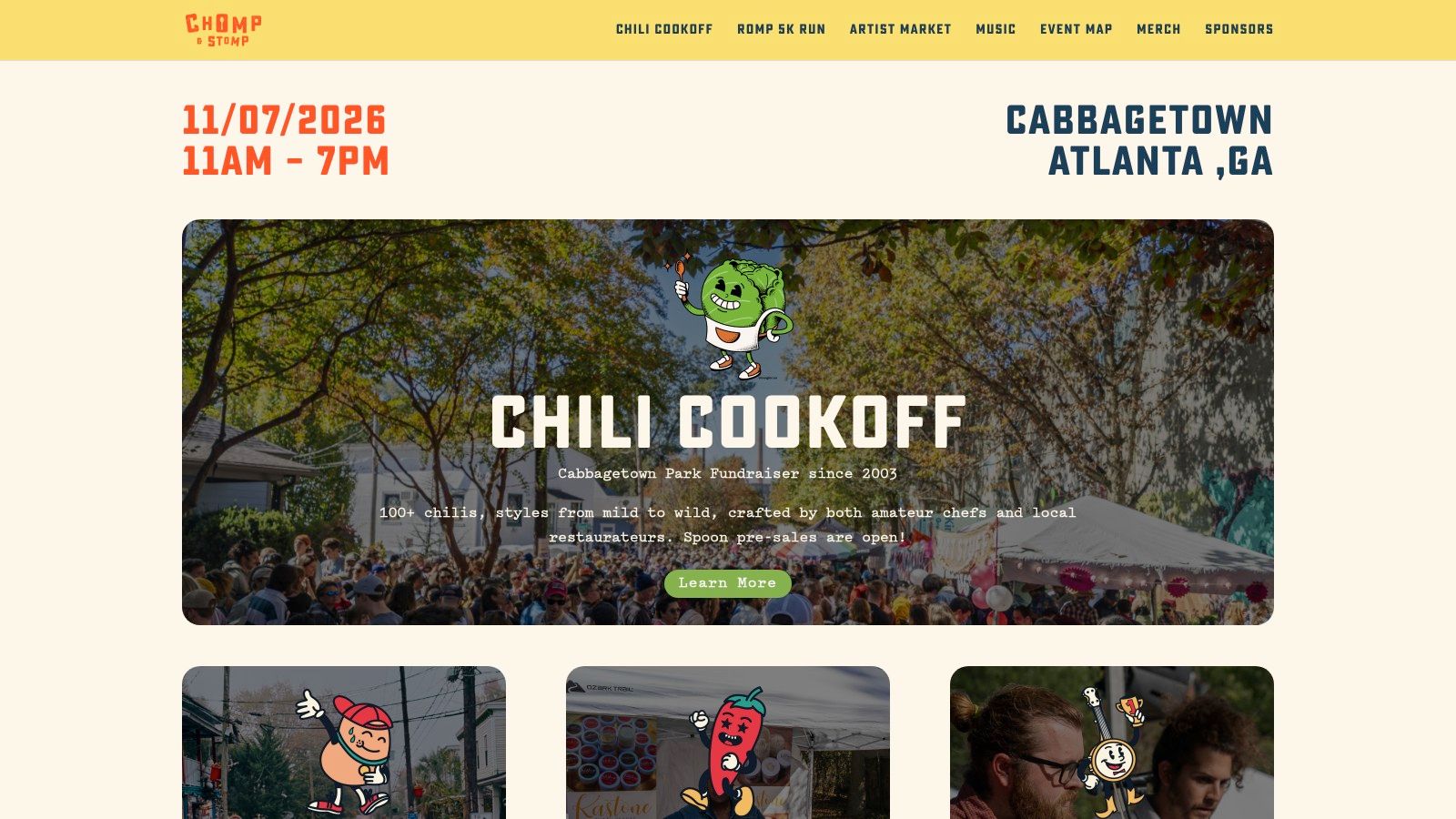
Chomp & Stomp is one of the easiest events to recommend when someone says, “I want fall festival energy, but I don’t want a massive downtown production.” It’s neighborhood-sized, but it doesn’t feel small. The mix of chili, bluegrass, artists, and the community race gives it enough moving parts to stay lively without becoming exhausting.
That compact footprint is the event’s biggest practical advantage. You don’t spend the whole day crossing a giant venue or trying to find your people. You can settle in, eat, listen, browse, and keep a steady rhythm.
Why it punches above its size
The event has a strong identity. Plenty of festivals try to be everything to everyone. Chomp & Stomp sticks to a clear formula and benefits from it. The chili tasting creates a built-in activity, the music gives the day structure, and the neighborhood setting keeps it grounded.
You can find event details, tasting info, and race updates at Chomp & Stomp.
A lot of Atlanta fall events run into the same hidden issue. Venues and neighborhoods often need to reclaim space fast between bookings, festivals, and community uses. That operational bottleneck is exactly the kind of undercovered problem described in this venue turnover gap analysis.
A few practical trade-offs
If tastings or the 5K are central to your plan, waiting too long is a mistake. Events with specialty components can feel casual from the outside, but the most in-demand pieces usually aren’t. Parking is also tight in historic neighborhoods, and trying to force your way into the closest possible spot usually wastes time.
- Best for couples and friend groups: There’s enough to do without needing a minute-by-minute itinerary.
- Best for food-first attendees: The event gives you a real purpose beyond wandering.
- Best for neighborhood festival fans: It feels more local than promotional.
For organizers, this kind of festival creates a very specific waste stream. Sampling stations, food-service materials, vendor pack-out, and post-race cleanup all stack up. What works is having hauling and recycling figured out before setup starts, not after the last song ends.
5. Stone Mountain Park Pumpkin Festival Play by Day Glow by Night
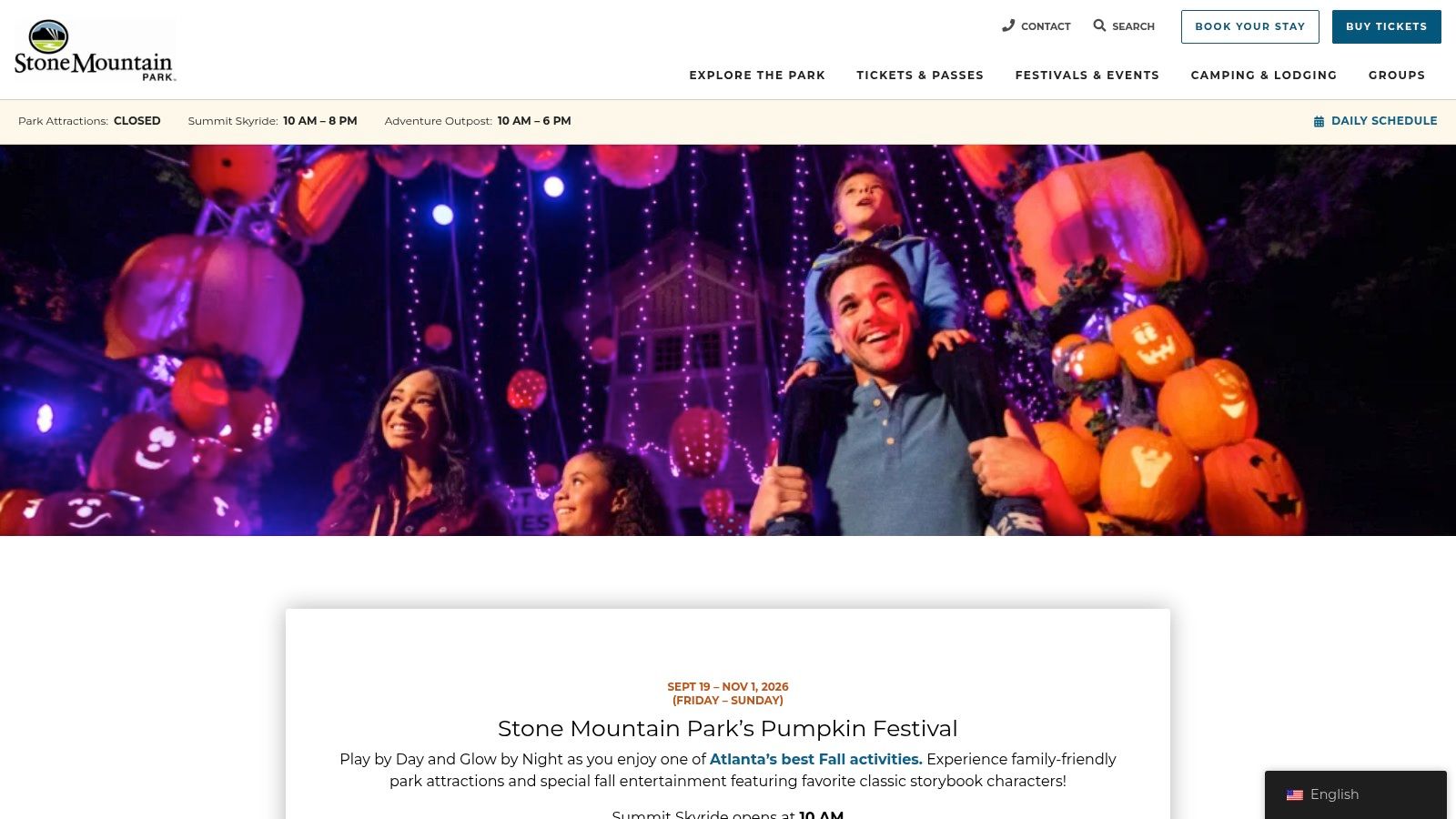
This is the pick for families who want a reliable, structured fall outing instead of a crowded city festival with too many unknowns. Stone Mountain Park’s Pumpkin Festival is built for all-day planning. You can go for daytime activities, stay for illuminated evening experiences, and fold in other park attractions if your group has the stamina.
That predictability is a real strength. Parents usually aren’t looking for surprise logistics. They want clear parking, manageable walking, and activities that justify the trip. If your business, property, or event needs broader haul-away and recycling support, Fulton Junk Removal is positioned around that same practical mindset. Get in, clear space, and restore order fast.
What makes it worth the drive
Unlike one-day street festivals, this event gives you more scheduling flexibility. If a specific weekend looks packed or the forecast is rough, you often have room to pivot. That makes it one of the more forgiving entries on this list.
Official event details are available at Stone Mountain Park Pumpkin Festival.
The atmosphere also works for mixed-age groups. Younger kids get the seasonal visuals and activity focus. Adults get a cleaner, easier experience than they’d find at a packed neighborhood parade route.
Where the costs add up
This is not the cheapest fall outing if you’re bringing a larger group. Admission choices, parking, snacks, and optional add-ons can stack quickly. The practical fix is simple. Decide before you arrive whether this is a “full day with extras” or a “focused seasonal visit.”
Families usually overspend at destination-style events when they make decisions item by item instead of setting the plan before the car ride starts.
Weekdays are usually the better call if your schedule allows it. Peak weekends bring lines, and long waits are what turn a strong family event into a long day.
From a cleanup perspective, destination parks face a different challenge than street festivals. It’s less about immediate street reopening and more about sustained maintenance during a long event run. Seasonal decor, retail packaging, food waste, temporary installations, and nightly resets all need disciplined handling to keep the guest experience intact.
6. North Georgia State Fair
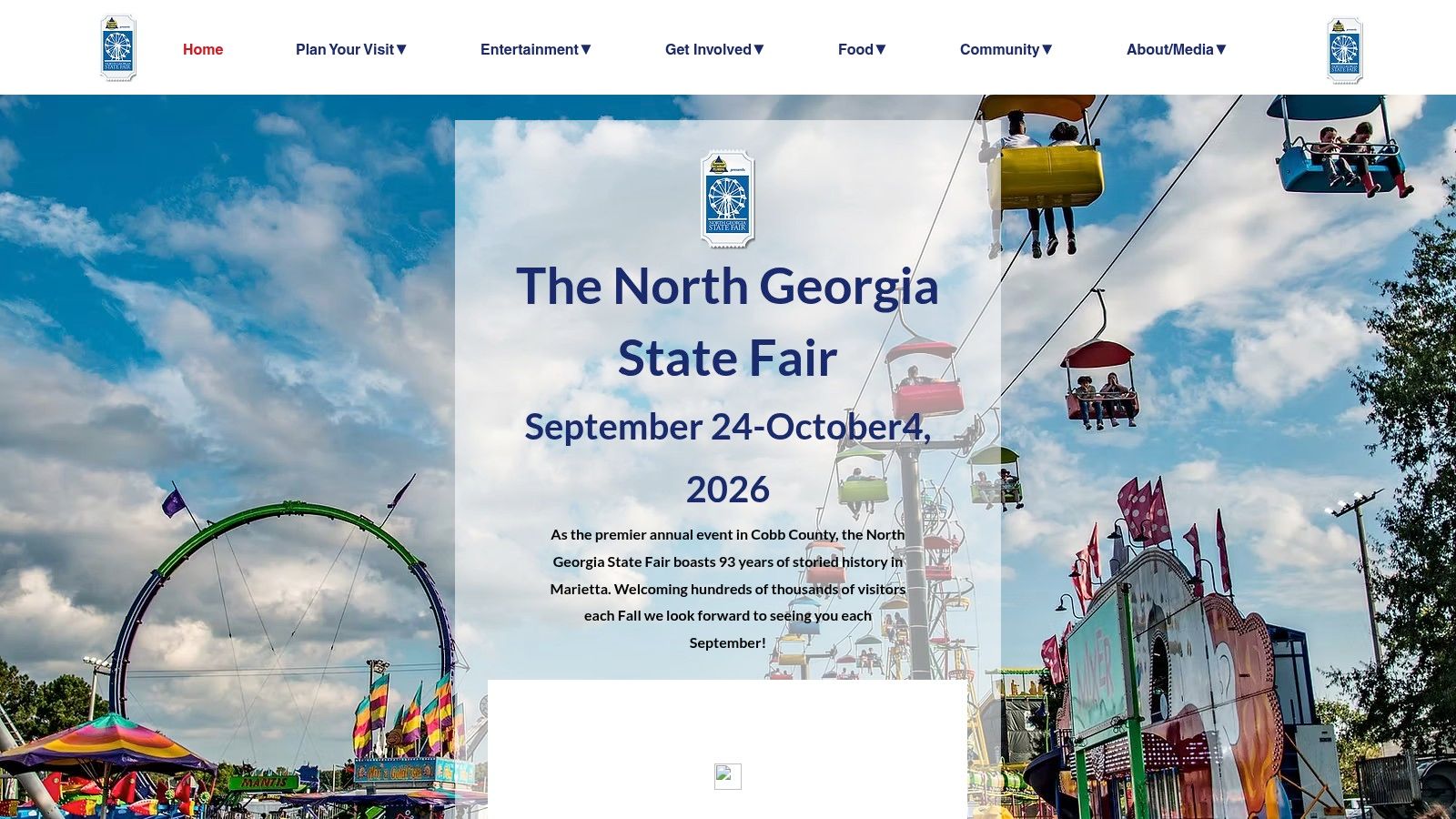
If you want the classic fair version of fall, this is the move. Rides, fair food, agricultural exhibits, vendor areas, and grandstand entertainment still have a place, and the North Georgia State Fair does that format at scale. It’s broad, familiar, and easy to explain to a group with mixed preferences.
That broad appeal is its main selling point. Some events on this list are highly specific. This one isn’t. It works for families, teens, grandparents, and groups that want a little bit of everything.
Best use case for this event
The fair is strongest when you treat it like a choose-your-own-level outing. You can go hard on rides, spend more time on exhibits and vendors, or just show up for the atmosphere and one evening of entertainment. Because it runs across multiple days, you can also avoid the busiest windows if your schedule is flexible.
Official schedules and visitor information are posted by the North Georgia State Fair.
If you operate a business or property in the northern suburbs and need event-season hauling or turnover support, junk removal service in Roswell is one example of how these needs extend well beyond intown venues.
What doesn’t work well
Peak-time traffic is the headache. People often plan the fair as if arrival timing doesn’t matter, then lose patience before they even hit the gate. The fair also has a way of making people underestimate total spend. Gate admission is only one part of the day.
- Best for classic fall nostalgia: It still delivers the midway-and-snack experience people expect.
- Best for flexible planners: A longer run gives you options.
- Less ideal for budget-blind group outings: Costs can drift if nobody sets limits.
For event operators, fairs are a different animal from curated festivals. The waste stream is wider. Food service, ride operations, livestock or agricultural components, temporary structures, cardboard, metal, and signage all create different removal needs. What fails here is a one-size-fits-all cleanup plan.
7. Capturing the Spirit of Oakland
A cool October night at Oakland feels different the moment you step through the gates. Street noise drops off, the path narrows your pace, and the event asks for attention instead of volume. Capturing the Spirit of Oakland earns its spot on this list because it offers something many fall events do not. Controlled pacing, strong storytelling, and a setting that already carries real weight.
The format matters. Timed entry keeps crowding in check, and that changes the whole experience. Instead of fighting for a view or bouncing between attractions, guests move through the cemetery in smaller waves with room to listen, observe, and absorb the performances. For date nights, history fans, and locals who want atmosphere without the usual festival crush, that trade-off works well.
You can monitor ticket releases and official event information at Capturing the Spirit of Oakland.
What makes this one stand out is discipline. Historic grounds cannot handle the same wear pattern as a street fair or park festival, so the event succeeds by limiting capacity and controlling flow. That restraint improves the guest experience, but it also protects the site. From a logistics standpoint, that is smart event design.
It also gives organizers and attendees a clearer sustainability playbook. Smaller timed groups mean less litter pressure, fewer overflowing bins, and less off-path wandering that damages landscaping or historic areas. Guests can help by packing light, skipping single-use cups and snack packaging when possible, and treating the grounds like a preservation site first and a Halloween outing second.
The key downside
The same capacity controls that make the event pleasant also make it less flexible. Tickets often go early, and last-minute planners may not get the time slot they want. The walking conditions are another real consideration. It is dark, the terrain can be uneven, and the event is better for adults, teens, and anyone comfortable with a slower outdoor walking tour.
Cleanup expectations are higher here than at a typical festival. The job is not just removing waste after the last group leaves. Staff and vendors have to protect paths, limit staging impact, clear materials, and leave the cemetery looking like an active historic site, not a venue that just hosted a big production. That is the kind of behind-the-scenes work people rarely notice when it is done right. At Oakland, it matters.
Top 7 Atlanta Fall Events Comparison
| Event | 🔄 Logistics Complexity (Implementation) | ⚡ Resource Requirements (Access & Cost) | 📊 Expected Outcomes (Experience & Impact) | 💡 Ideal Use Cases (Tips) | ⭐ Key Advantages |
|---|---|---|---|---|---|
| Dragon Con | High, multi‑venue coordination, large crowds, multi‑day planning | High, advance hotel booking, time commitment, tickets | Massive variety of fandom programming, networking, major parade spectacle | Best for multi‑genre fans, cosplayers, groups; book hotels months ahead | Unmatched scale and program diversity |
| Atlanta Pride Festival & Parade | Medium, large outdoor footprint, crowd control, weather planning | Medium, free festival but parking/lodging can be costly | Inclusive community celebration with major Peachtree Street parade | Good for families and groups; arrive early and plan rain contingencies | Central location and broad accessibility |
| Little 5 Points Halloween Festival & Parade | Medium, street closures, dense pedestrian flows, local permits | Low–Medium, free entry but transit recommended; limited parking | Highly creative, photogenic parade and strong local arts vibe | Ideal for photographers, families, DIY‑culture fans; use transit/rideshare | Distinctive DIY community energy and visuals |
| Cabbagetown Chomp & Stomp | Low, compact neighborhood layout, local vendor coordination | Low–Medium, tasting pre‑sales and 5K bibs may sell out | Community‑focused food and music event that raises funds locally | Best for foodies and neighborhood supporters; buy tastings early | Walkable footprint and direct community benefit |
| Stone Mountain Pumpkin Festival | Low, park‑run scheduling, scalable daytime/night programming | Medium, admission/parking/add‑ons can add up for families | Family‑friendly day activities and nighttime illuminated experiences | Ideal for families looking for predictable schedules; visit weekdays | Consistent family programming and park bundle options |
| North Georgia State Fair | Medium, large midway operations and nightly entertainment | Medium, gate admission plus ride/food costs and travel | Classic fair experience with rides, exhibits, and grandstand shows | Good for multi‑age family outings; attend off‑peak days to avoid lines | Broad appeal and multi‑day flexibility |
| Capturing the Spirit of Oakland (Oakland Cemetery) | Low, timed, limited‑capacity tours with theatrical staging | Low, ticketed, small group format; limited walking at night | Intimate historical theatre experience and preservation fundraising | Best for adults/date nights/history buffs; purchase tickets in advance | Unique blend of history, theatre, and atmosphere |
Sustainable Cleanup for Event Organizers & Attendees
Atlanta’s fall event season creates some of the best weekends of the year, but it also creates a lot of material that has to go somewhere. After the music ends and the parade route clears, somebody still has to deal with temporary fencing, vendor packaging, broken-down booths, electronics, signage, leftover promotional materials, and plain old trash. For organizers, the challenge isn’t only removal. It’s speed, site recovery, and whether the cleanup process supports sustainability goals or just pushes everything toward disposal.
That matters in Atlanta because event volume is real, and so is the strain it puts on venues and surrounding properties. Even outside the biggest marquee weekends, organizers and facilities teams often face tight turnarounds between bookings. A fast reset helps protect revenue, reduce downtime, and keep staff from getting buried in post-event tasks that don’t fit their core role.
Fulton Junk Removal’s commercial model offers practical advantages. The company handles pre-event clearing and post-event debris removal for offices, warehouses, retail sites, venues, and public-facing properties. That can include bulk trash, temporary structures, electronics, staging leftovers, and general clutter that would otherwise slow down reopening or the next setup. For property managers and operations teams, the value isn’t just labor. It’s having one responsive local partner who can help restore usable space quickly.
The bigger differentiator is what happens after pickup. Because Fulton operates under the Beyond Surplus umbrella, the approach goes beyond standard haul-away. Electronics, metals, and other recyclable materials can be processed through a more responsible channel instead of being treated as landfill-bound waste by default. For businesses with sustainability commitments, that’s a better fit for internal reporting and a better story for clients, tenants, and stakeholders.
There’s also a straightforward operational benefit. Bundling junk removal with recycling pickup reduces handoffs. You don’t have to coordinate one company for general debris and another for e-waste or reusable material streams. That’s especially helpful after events, office cleanouts, and seasonal resets where mixed materials pile up fast.
Attendees can use the same season as a reset point at home or work. Fall has a way of making people notice what’s taking up space. Old furniture in a garage, dead electronics in a storage room, office clutter after a move, leftover event supplies, and bulky items that have been sitting too long all become easier to deal with when you have a reliable local service. If items are suitable for donation or recycling, Fulton and Beyond Surplus are built around keeping more materials in circulation where possible.
For venue managers and event operators who want a broader reminder that cleanliness affects the entire guest experience, this cleanliness guide for event operators is worth a read.
Atlanta’s best fall events deserve cleanup plans that match the quality of the programming. Good operations are mostly invisible to attendees, but everyone notices when a venue resets quickly, waste is handled responsibly, and the space is ready for what comes next.
If you’re planning an event, turning over a property, or finally clearing out a packed office, warehouse, garage, or retail space, Fulton Junk Removal can help you get it done quickly and responsibly. Request a free estimate for haul-away, event debris removal, or bundled recycling support, and keep more materials out of the landfill while getting your space back faster.
