
7 Best Historic Sites in Atlanta GA
Atlanta moves fast. New towers rise, old buildings get repurposed, neighborhoods shift, and every block seems to carry two timelines at once. If you're looking for the Best Historic Sites in Atlanta GA, the key question isn't just where to go. It's what kind of Atlanta you want to understand.
The strongest historic places in this city do more than display artifacts behind glass. They put you in the path of the people, institutions, and conflicts that shaped modern Atlanta. Some sites are intimate and reflective. Others are sprawling, highly curated, and better if you set aside half a day instead of trying to squeeze them into an hour.
That stewardship piece matters. Atlanta's past survives because somebody chose to preserve a church, stabilize a house, archive a document, or protect a district instead of clearing it without a plan. The same mindset still matters now, whether you're renovating a historic property, turning over a commercial space, or clearing out materials from an old building responsibly. Visiting these places reminds you that community care isn't abstract. It's physical, local, and ongoing.
1. Martin Luther King Jr. National Historical Park
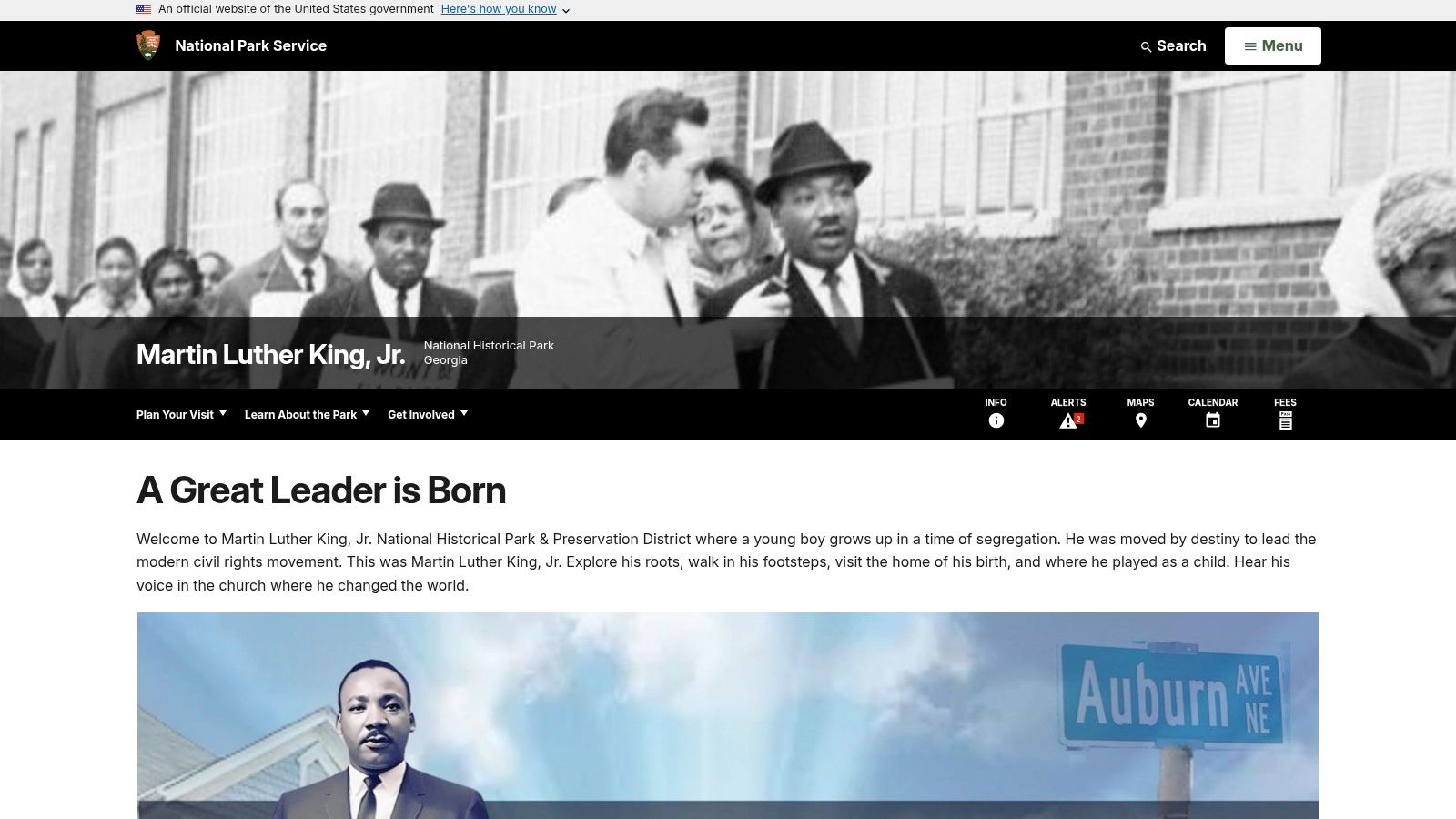
You step off the street in Sweet Auburn and the city changes pace. Traffic is still close, new development is still part of the view, but the ground under your feet carries one of Atlanta's clearest records of how local places shaped national change.
The Martin Luther King Jr. National Historical Park website is the right place to start for hours, tours, and current alerts. On site, its primary strength is concentration. The birth home, Ebenezer Baptist Church, memorial spaces, and the surrounding historic district work together, so the visit feels less like a museum stop and more like entering an intact civic setting.
What makes it the city's most important historic site
The park preserves the church where Dr. King preached and the neighborhood context that formed him. That matters. Historic interpretation is strongest when you can connect ideas to actual streets, buildings, and community institutions instead of isolated objects in cases.
It also sets a standard for stewardship. Atlanta kept this area legible because people chose preservation over neglect and short-term convenience. The same principle applies now in smaller, practical ways. If a property owner is clearing an older site nearby, responsible hauling and reuse decisions protect neighborhood character better than careless dumping or rushed disposal. Services that focus on responsible property cleanouts and recycling in Atlanta fit that same ethic of caring for what a community inherits.
Practical rule: Give this park more time than your schedule first suggests. People move slower here, and they should.
Best fit and real trade-offs
Choose this site if you want historical weight, walkability, and a direct connection to the civil rights movement. It is especially strong for first-time visitors, students, and Atlanta residents who want a place that still feels rooted in the surrounding neighborhood.
A few trade-offs matter:
- Best strength: Free access and unmatched historical significance in Atlanta.
- Main limitation: Some experiences depend on tour timing, staffing, or day-of conditions.
- What works: Checking alerts in advance and arriving ready to read, listen, and spend time on foot.
- What doesn't: Treating the park like a fast stop for photos and leaving before the context comes together.
Other Atlanta sites may offer larger campuses or broader collections. This one carries the clearest sense of why preservation is a public responsibility, not just a tourism category.
2. Atlanta History Center
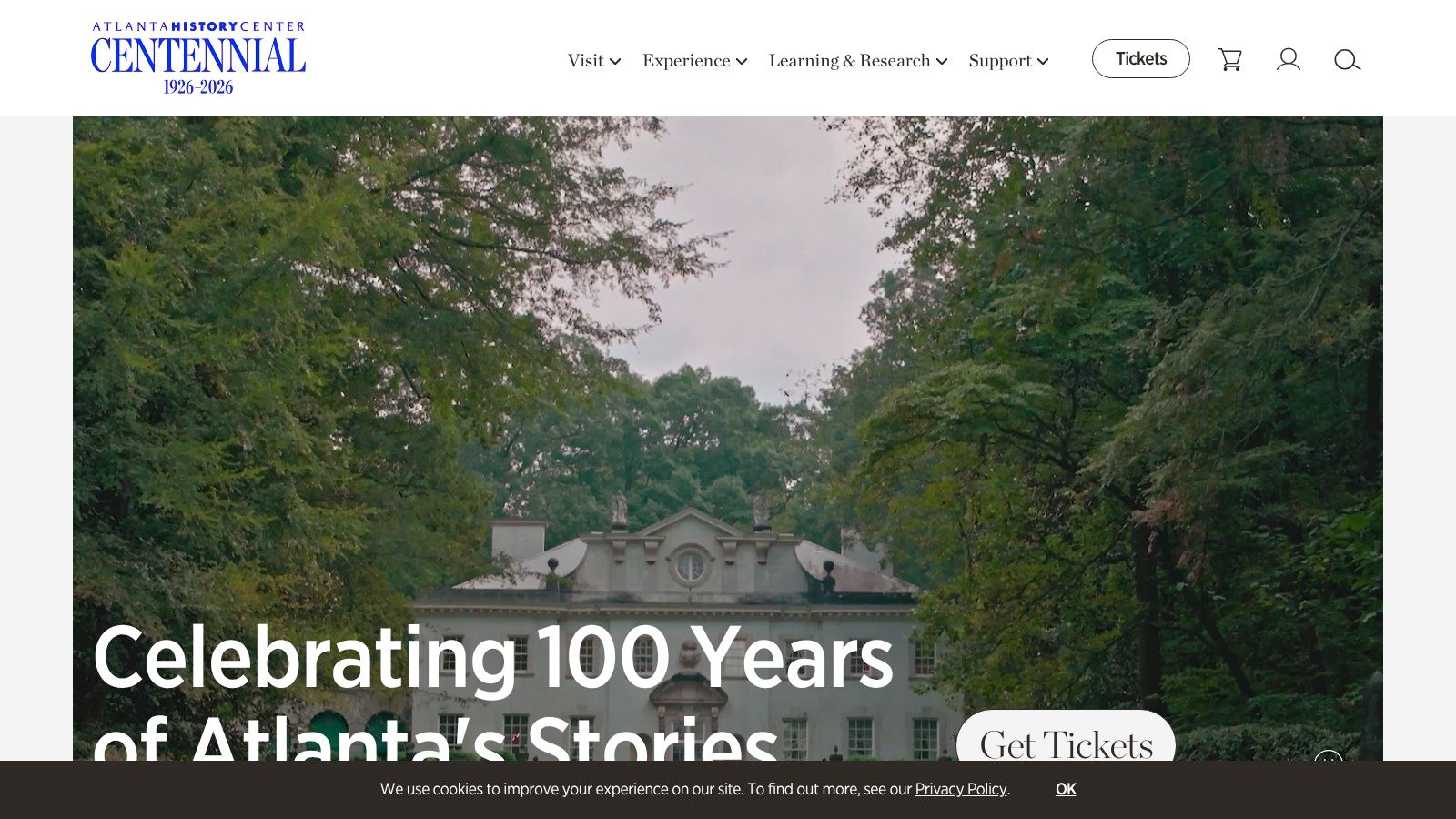
A good visit here starts with a simple choice. Rush through a few famous rooms for photos, or give the campus enough time to show how Atlanta was built, expanded, argued over, and preserved. The Atlanta History Center rewards the second approach.
This is one of the few historic sites in Atlanta that can serve several kinds of visitors well in a single stop. The Swan House draws people who care about architecture and design. The historic houses and farm spaces ground the city in lived daily history. The exhibitions add political, social, and regional context that helps the rest of the campus make sense.
That range is the main strength. It is also the trade-off.
Visitors who like focused sites may find the center less immediate than a single-theme landmark. The campus asks you to walk, choose, and pace yourself. If you treat it like a quick indoor museum, the experience can feel scattered. If you treat it like a half-day history district with both indoor and outdoor stops, it comes together.
Give this site time to connect its parts. The value is in the full picture, not one headline attraction.
I recommend it most for locals, first-time Atlanta visitors, families with mixed interests, and anyone trying to understand the city beyond one era. You can move from elite residential architecture to public history, from decorative spaces to harder civic questions, without leaving the property. Few Atlanta attractions handle that breadth this well.
It also makes a practical preservation point that matters beyond tourism. Historic places stay useful because people maintain them, clear them carefully, reuse what still has value, and avoid the kind of neglect that turns repairable spaces into waste. That same ethic matters in neighborhoods across the metro area, whether the job is a museum campus or a responsible property cleanup across Fulton County and nearby service areas.
Best fit and real trade-offs
Choose the Atlanta History Center if you want variety, strong interpretation, and a setting that combines exhibitions, grounds, and historic structures in one visit.
A few trade-offs are worth knowing before you go:
- Best strength: Broad coverage of Atlanta and regional history without feeling like a single building museum.
- Main limitation: It is easy to underestimate how much walking, reading, and decision-making the campus requires.
- What works: Arriving with at least a half day, comfortable shoes, and a plan to focus on a few priorities instead of everything.
- What doesn't: Trying to squeeze the entire property into a short gap between other reservations.
For visitors who care about stewardship, this site makes the case clearly. Preserving a city is not only about protecting grand landmarks. It is also about making responsible choices with land, materials, buildings, and public memory so the next generation inherits more than a stripped-down version of the past.
3. Historic Oakland Cemetery
Historic sites don't all need walls and ticket desks. Historic Oakland Cemetery works because it combines memorial space, grounds design, and city history without losing the quiet that makes cemeteries meaningful.
Established in 1850, Oakland is Atlanta's oldest public burial ground according to its own visitor information and planning notes. That age shows up in the monuments, the tree canopy, the layout, and the way the site anchors stories about the people who built, shaped, and argued over Atlanta.
Why Oakland lands differently
Some visitors prefer Oakland over conventional museums because it doesn't force a single route through the material. You can self-guide, pause at notable graves, focus on horticulture, or book a themed tour if you want more interpretation. That flexibility is its advantage.
The downside is that outdoor historic sites ask more from the visitor. Weather changes the experience. Heat changes the pace. Popular special events can fill up quickly, and a cemetery requires a different mindset than a tourist attraction built around entertainment.
Respect the site first, then explore it. Oakland rewards slow attention more than fast consumption.
What works and what doesn't
The best use of Oakland is simple. Go when you have time to wander, not when you're trying to cross another attraction off a list. If you like city history through biography, it's one of Atlanta's strongest stops because so much of the city's story is embedded in individual names and family plots.
A few practical notes make the visit smoother:
- Best strength: Free public access for self-guided visits.
- Best upgrade: Guided tours if you want context instead of just scenery.
- Main drawback: Outdoor conditions can shape the entire experience.
- Poor approach: Treating it like a passive backdrop for photos.
Oakland also says something important about stewardship in Atlanta. Historic spaces survive through maintenance that people often don't notice. Groundskeeping, restoration, debris removal, and careful handling all matter. For nearby properties, offices, or renovation zones, having service coverage across Atlanta-area communities matters for that same reason. Good cleanup work should support the neighborhood around a historic asset, not work against it.
4. National Center for Civil and Human Rights
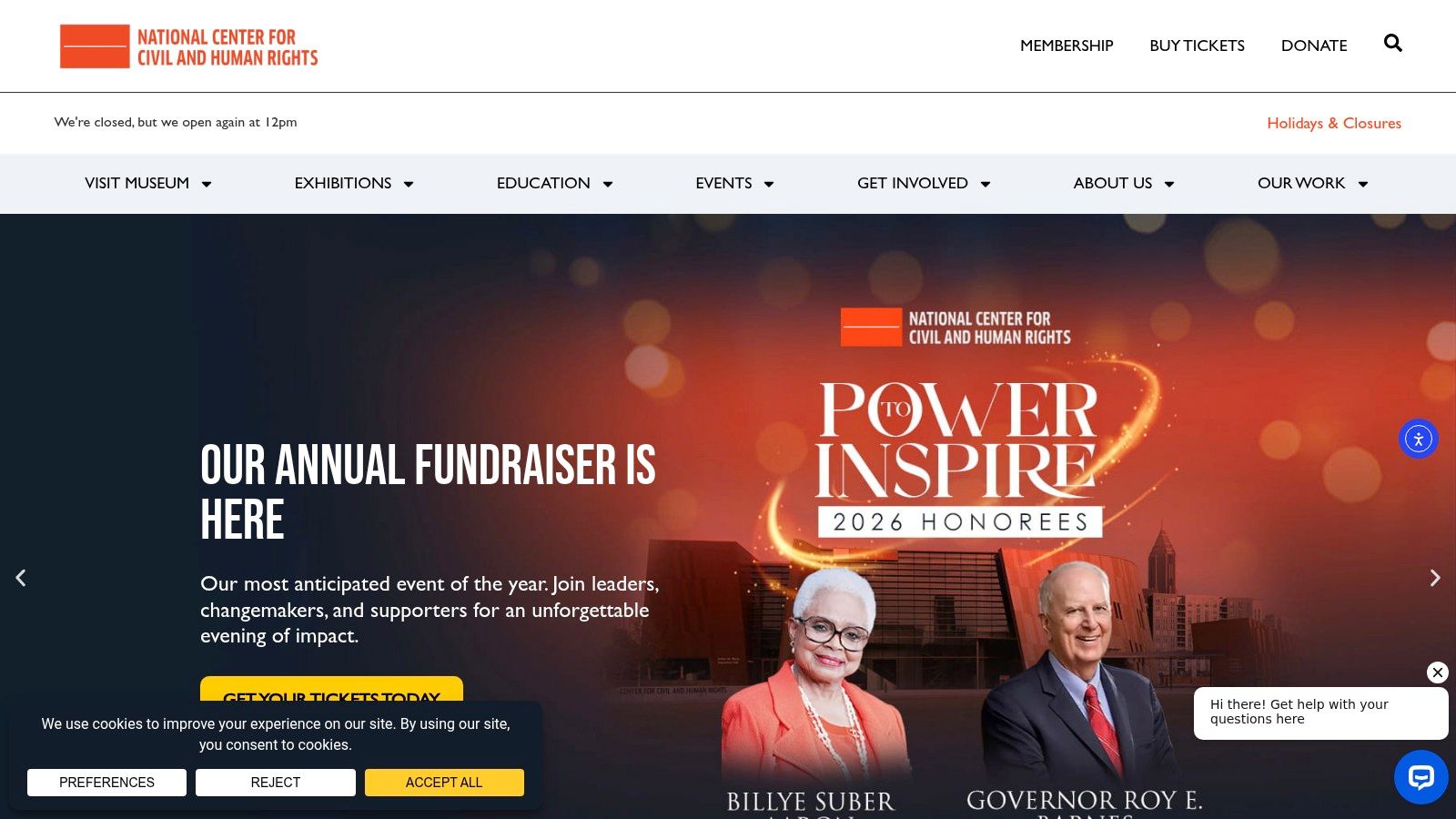
You step in from downtown traffic, ticket in hand, and the tone changes fast. The National Center for Civil and Human Rights asks for attention, patience, and a willingness to connect Atlanta's past to obligations that still belong to the public.
That is what makes the center important. It interprets history instead of preserving a single original structure, and it does that job well. The strongest galleries do more than summarize the civil-rights era. They place Atlanta inside a larger human-rights conversation while keeping the local struggle clear and grounded.
Visitors who respond to exhibits, testimony, and civic context usually get more from this site than visitors who mainly want historic architecture. I often recommend it to students, professionals, and community groups for that reason. It gives people a framework for asking a better question: what does responsible citizenship look like after the museum visit ends?
Where this site delivers
The downtown setting makes it practical to pair with other central stops, but the visit works best when you treat it as more than a convenient add-on. Timed entry helps crowd control and protects the experience inside. The trade-off is less flexibility, especially on weekends, school breaks, and conference-heavy days.
Go with a reservation and enough time to stay present.
This is also one of the clearest places in Atlanta to see stewardship as an active duty. Preservation is not only about saving documents and telling stories well. It also depends on how institutions care for buildings, handle materials, manage public traffic, and reduce waste without erasing what gives a place meaning. The same logic applies outside museum walls. Responsible hauling, sorting, and property cleanout and removal services help neighborhoods stay usable, safe, and respectful of the history still standing around them.
- Best strength: Strong interpretation that connects civil rights history to current civic responsibility.
- What works: Reserving timed entry ahead of your visit.
- Main drawback: Less spontaneity than a walk-in historic site.
- Best fit: Older students, civic-minded travelers, and visitors who want ideas as much as artifacts.
Atlanta has several places that preserve history. This one presses you to act on it.
5. Jimmy Carter Presidential Library & Museum
The Jimmy Carter Presidential Library & Museum offers a different kind of history visit. It isn't centered on Atlanta's founding or the Civil War. It gives you a focused look at presidency, diplomacy, public service, and the long afterlife of political leadership.
That narrower scope is its strength. Visitors who want one clear narrative often find presidential libraries easier to absorb than giant city-history campuses. You come for Carter, but you leave with a stronger feel for how Georgia connects to national and international affairs.
Why this site is worth the stop
The museum's exhibits on Carter's life, presidency, and humanitarian work create a cleaner through-line than many multi-subject museums. The Oval Office replica and interactive elements give it enough accessibility for families without losing seriousness.
The campus is also substantial. It sits on a 37-acre setting shared with The Carter Center, according to the site planning notes you provided. That gives the visit breathing room. You don't feel boxed into a single gallery sequence.
Some historic sites ask you to reflect on a city. This one asks you to reflect on leadership.
Practical trade-offs
This isn't the best choice for someone seeking Atlanta-specific architecture or a deep neighborhood context. It is one of the better choices for visitors interested in public life, elections, diplomacy, and modern American history.
Here are the practical considerations that matter most:
- Best for: Visitors who prefer a clear, biographical museum experience.
- Strong advantage: Distinct artifacts and a focused narrative.
- Potential issue: Federal museum schedules can shift around holidays or special circumstances.
- Smart move: Verify hours before heading over.
For people managing estate transitions, office closures, or institutional cleanouts, this site also reinforces an overlooked reality. Records, objects, and built spaces carry meaning long after their immediate use ends. That's why service planning matters, especially when you're sorting general hauling from recycling and specialty removal through Fulton Junk Removal services.
6. Fox Theatre
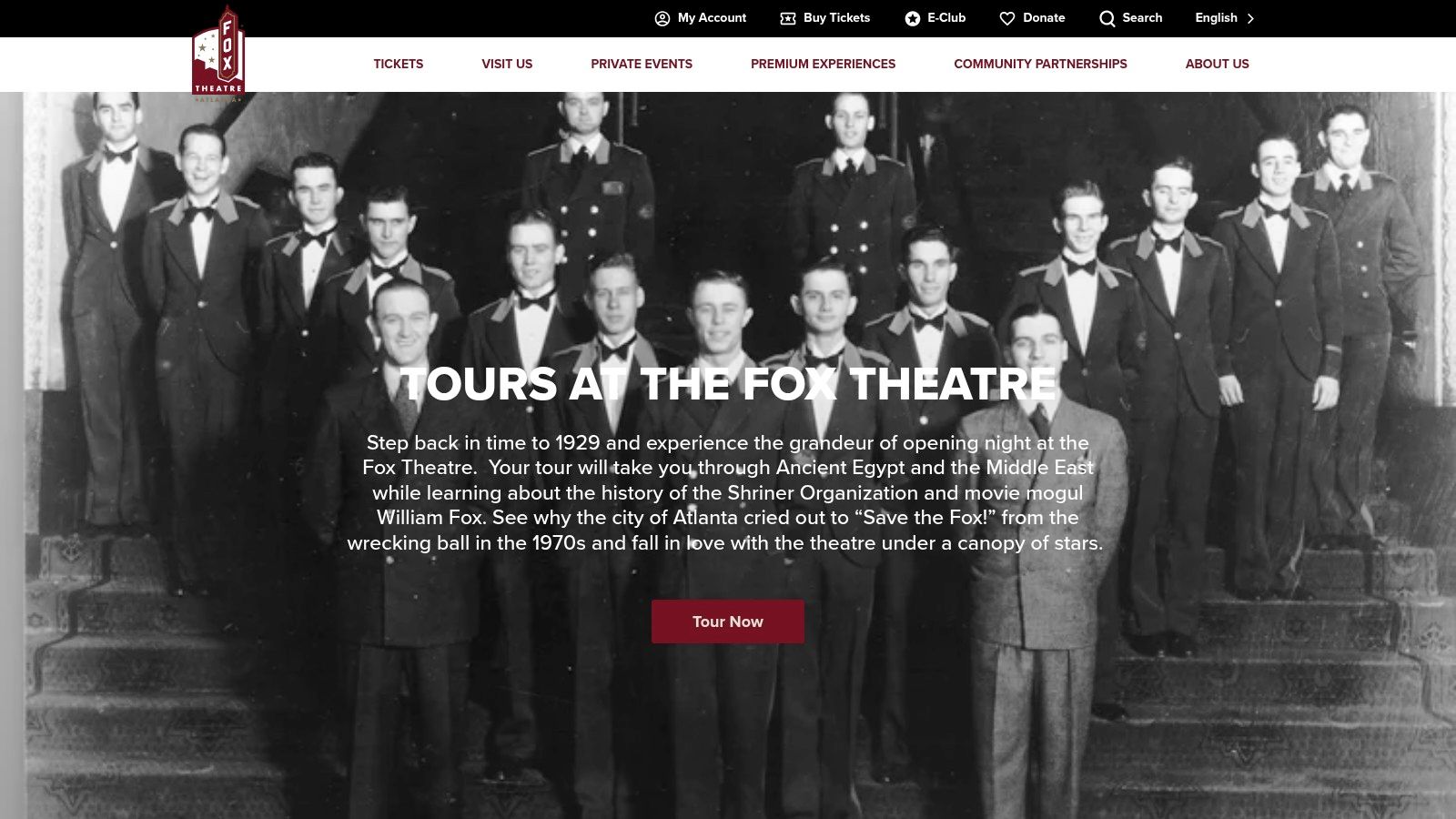
You step in from Peachtree traffic, look up, and the room changes your pace. The Fox Theatre tours page makes the practical case for visiting, but the deeper value is preservation in active use. Atlanta did not keep this building as a sealed artifact. The city kept it alive.
Built in 1929, the Fox shows what historic stewardship looks like when a landmark still serves the public. Its appeal is architectural, but its lesson is civic. A working theater demands ongoing maintenance, careful upgrades, and daily respect for materials that are expensive to replace and easy to damage through neglect.
That matters.
Many historic sites teach through documents and collections. The Fox teaches through plaster, lighting, acoustics, backstage infrastructure, and the simple fact that people still gather here. Preservation is not abstract in a place like this. It depends on disciplined operations, smart restoration choices, and a community willing to support reuse instead of demolition.
Why the Fox stands out
The Fox is one of the clearest examples in Atlanta of a saved building earning its keep. That gives the visit a different texture than a museum-only stop. You are not just hearing about the past. You are standing inside a landmark that survived because people fought for it and because later generations kept investing in its care.
I appreciate that reality because preservation always comes with trade-offs. Historic venues need modernization, but upgrades cannot flatten the character that made them worth saving in the first place. The best stewardship work protects original craftsmanship while handling current demands such as accessibility, safety, event turnover, and heavy foot traffic.
What to expect on a visit
Tours reward visitors who pay attention to detail. Ceiling treatments, decorative surfaces, and the theater's scale do a lot of the interpretive work, especially if you slow down and let the guide explain what has been preserved and what has been adapted over time.
A few practical points are useful:
- Best for: Visitors who respond to architecture, design history, and preservation stories.
- Strong advantage: The building remains in active community use, which gives the history immediate context.
- Main drawback: Tour access can shift around performance schedules.
- Practical hassle: Midtown parking and traffic can add friction, especially on event days.
The Fox also fits the larger stewardship thread running through Atlanta's historic sites. Saving a landmark is one form of community care. So is handling the spaces around us responsibly now, whether that means proper maintenance, thoughtful reuse, or keeping usable materials out of the waste stream when properties are cleared. Places like the Fox survive because people treat the built environment as something to protect, not something to discard.
7. Georgia State Capitol and Georgia Capitol Museum
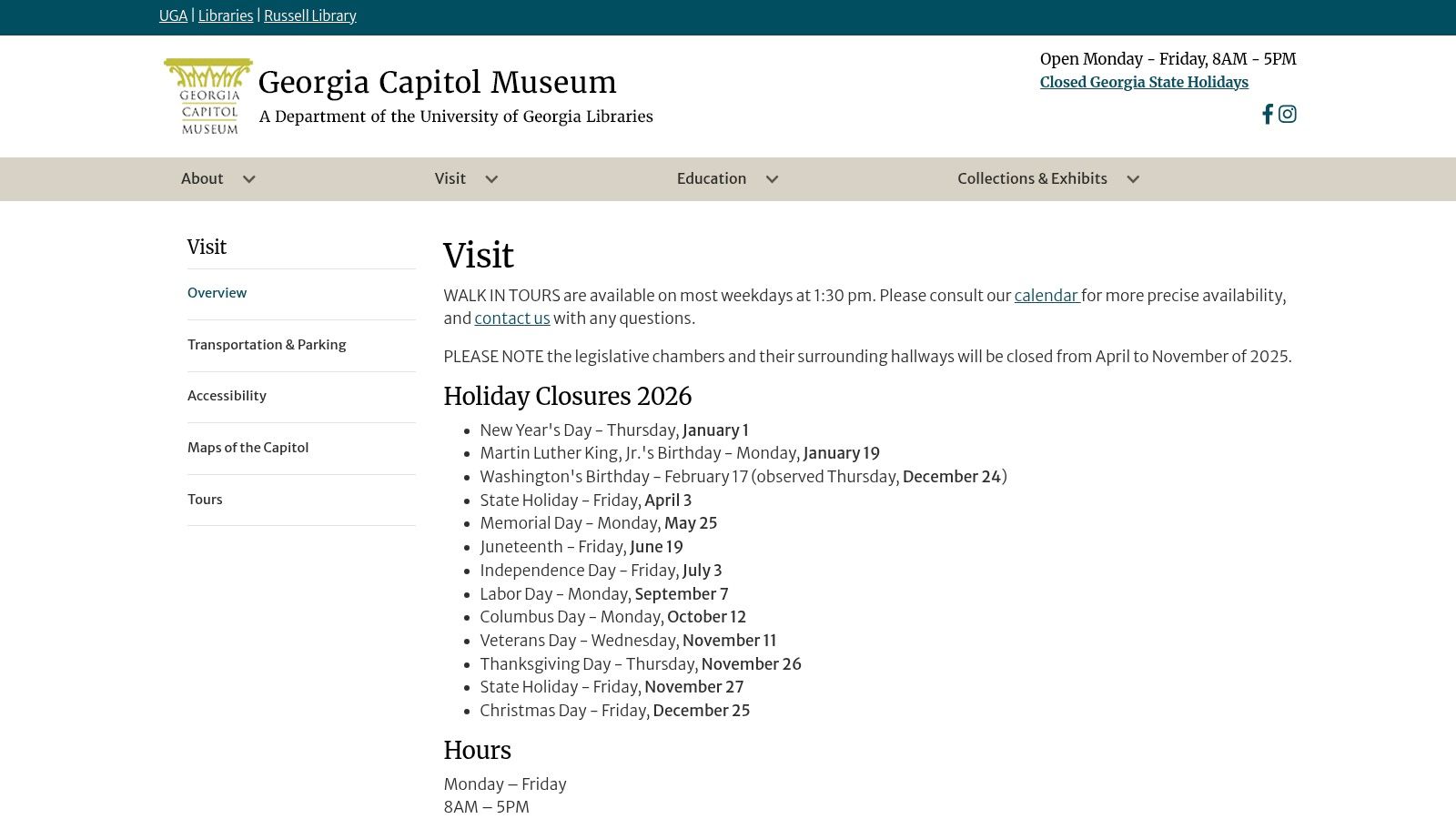
You walk in from downtown traffic, pass through security, and step into a building where Georgia still conducts public business. That shift matters. The Georgia Capitol Museum visitor page helps with hours and logistics, but the primary value of this stop is seeing history in active use rather than behind a velvet rope.
Completed in the late 19th century, the Capitol carries the weight of state memory and present-day decision-making at the same time. Visitors get free access to exhibits, historic interiors, and a working civic space. For anyone trying to understand Atlanta beyond its headline attractions, that combination gives this site real substance.
Why this stop is underrated
Capitol buildings often get dismissed as formal or dry. In practice, this one rewards visitors who care about architecture, public institutions, and the way a city records its priorities. The gold dome gives Atlanta one of its most recognizable landmarks, and the interior adds a different layer. Portraits, chambers, memorials, and museum displays show how Georgia has chosen to present itself over time.
Its downtown setting also helps. The Capitol makes more sense when you view it as part of a larger historic core, not as a quick box to check between other attractions. That broader context shows a preservation lesson Atlanta keeps relearning. Landmark buildings hold their value when the surrounding streets, materials, and public spaces are maintained with the same discipline.
Government buildings show what a community decided to preserve in public view, and what it still considers worth maintaining.
Best use of your time
Weekday visits usually work best, especially if you want to see the building while government activity is underway. I recommend it for civic-minded travelers, students, architecture fans, and locals who want a clearer sense of how Atlanta's past still shapes daily public life.
There are a few trade-offs to plan around:
- Best strength: Free admission in a functioning historic landmark.
- Main limitation: Access is more convenient on weekdays than weekends.
- Expect: Security screening and occasional room closures tied to official business.
- Good strategy: Pair the visit with a downtown walk so the Capitol reads as part of Atlanta's preserved civic fabric.
This site also fits the stewardship thread running through the best historic places in Atlanta. Preservation is not only about saving a dome, staircase, or chamber. It also depends on how a city treats the blocks around those assets now, through careful upkeep, responsible clearing, and keeping reusable materials in circulation instead of sending them straight to disposal. That is how historic buildings stay connected to living communities rather than becoming isolated monuments.
7-Site Comparison: Best Historic Sites in Atlanta
| Site | Visit complexity 🔄 | Resource needs ⚡ | Expected experience ⭐ | Ideal use cases 💡 | Key advantages 📊 |
|---|---|---|---|---|---|
| Martin Luther King Jr. National Historical Park (NPS) | Moderate, scheduled ranger programs; some planning advised | Low cost (free); 1–2 hrs; walkable Auburn Ave sites | ⭐⭐⭐⭐, primary-site authenticity and guided interpretation | Civil-rights study, heritage visitors, short downtown stops | Free ranger-led programs; authentic historic sites; central location |
| Atlanta History Center (Swan House, Smith Farm, Cyclorama) | Moderate–High, large campus, multiple venues to coordinate | Paid admission; several hours; Buckhead location | ⭐⭐⭐⭐, high-quality curation across varied exhibits | Family outings, in-depth regional history, multi-attraction day | Multiple sites on one ticket; curated exhibits; gardens/trails |
| Historic Oakland Cemetery | Low, self-guided easy access; guided tours frequently available | Free grounds access; tours ticketed; 1–2 hrs; weather-dependent | ⭐⭐⭐, strong storytelling on guided tours; scenic outdoor museum | Budget-friendly strolls, photography, themed tour events | Free entry for self-guided visits; notable burials; regular tours |
| National Center for Civil and Human Rights | Moderate, timed-entry & dynamic pricing; plan for slots | Paid timed tickets; 1–2 hrs; downtown location | ⭐⭐⭐⭐⭐, immersive, emotionally powerful interactive exhibits | Educational groups, contemporary human-rights focus, museum fans | Immersive galleries linking civil rights to global issues; discounts |
| Jimmy Carter Presidential Library & Museum | Low–Moderate, standard museum scheduling; check hours | Paid admission; several hours; campus setting | ⭐⭐⭐⭐, clear exhibits and unique artifacts (Oval Office replica) | Presidential history, family visits, civic education | Oval Office replica; well-presented artifacts; free youth entry |
| Fox Theatre (Architecture & History Tours) | Moderate, advance tickets recommended; working theatre access varies | Paid 60‑min tours; Midtown location; possible event-day parking | ⭐⭐⭐⭐, iconic, photo-worthy interiors and preservation story | Architecture/history enthusiasts, group tours, photography | Ornate interiors; behind-the-scenes options; historic pipe organ |
| Georgia State Capitol & Georgia Capitol Museum | Low, self-guided most weekdays; guided groups by reservation | Free self-guided visits; weekday hours; security screening | ⭐⭐⭐, solid architectural and state-history interpretation | Quick educational visits, school/civic group tours on weekdays | Free museum access; central downtown location; educational resources |
Your Role in Atlanta's Living History
You leave a landmark inspired, then walk a block or two and see the present-day version of preservation decisions in real time. An old building gets renovated. A longtime property changes hands. A storefront clears out after a move. At that point, Atlanta's history is no longer a museum subject. It becomes a question of daily stewardship.
These sites endure because people kept making deliberate choices about upkeep, funding, reuse, and protection. That same standard applies outside the ticketed entrance. Historic stewardship includes how materials are handled during cleanouts, what gets donated instead of dumped, and whether reusable items are given a second life before a truck heads to the landfill.
That is not a small side issue in Georgia. IBISWorld projects the state's historic sites industry will reach a market size of $24.7 million in 2026, with annualized growth of 2.7% from 2021 to 2026. Industry growth only means something if the surrounding practices support the places people claim to value. Preservation takes staff time, maintenance budgets, careful planning, and responsible property management around historic areas.
I see the trade-off constantly in Atlanta. Fast disposal is easy. Responsible clearing takes more effort, especially when older properties contain furniture, fixtures, scrap metal, electronics, or renovation debris that should be sorted instead of mixed together. But that extra effort protects neighborhoods, reduces waste, and respects the character of places that took generations to keep standing.
Visiting these landmarks should change how residents and property managers think about what happens off-site, too. The lesson is practical. Save what can still serve someone else. Recycle what has recoverable value. Dispose of the rest with care.
Atlanta has rebuilt itself more than once, and that history carries an obligation. Stewardship today means more than preserving a famous facade. It means handling transitions, renovations, and cleanouts in ways that match the city's long memory and current environmental standards.
The city honors its past by how it treats the materials of the present.
If you're clearing out a home, office, warehouse, retail space, or property near one of Atlanta's historic areas, Fulton Junk Removal can help you do it responsibly. As part of the Beyond Surplus family, Fulton handles haul-away while supporting recycling and reuse for electronics, metals, and other recoverable materials, which is a better fit for Atlanta neighborhoods that value preservation, sustainability, and community care.
