
The 7 Best Atlanta Farmers Markets (2026 Guide)
Saturday morning in Atlanta usually starts with a choice. Do you want the polished, chef-friendly market run where you can grab bread, greens, and coffee before the crowds thicken, or do you want a neighborhood market where dinner plans come together on the fly? Either way, the best Atlanta farmers markets reward a little planning and a willingness to buy what's in season.
That’s part of the appeal. These markets aren’t just grocery alternatives. They connect shoppers directly with growers, bakers, and small producers, while reinforcing the local systems that make fresher food and stronger neighborhoods possible. If you care about sustainability, there’s a practical payoff too. Buying nearby products can reduce transport and keep more spending in the regional economy, which is one reason many shoppers look into the broader benefits of eating locally grown food.
Atlanta has enough variety that you don’t need one “best” market. You need the right one for how you shop. Some are best for a fast staple run. Some are better for lingering, eating, and catching up with neighbors. And some work more like a produce hub than a charming weekend stroll. This guide gets straight to the useful part, where to go, what each market does well, and the trade-offs that matter before you leave the house.
1. Peachtree Road Farmers Market (Buckhead)
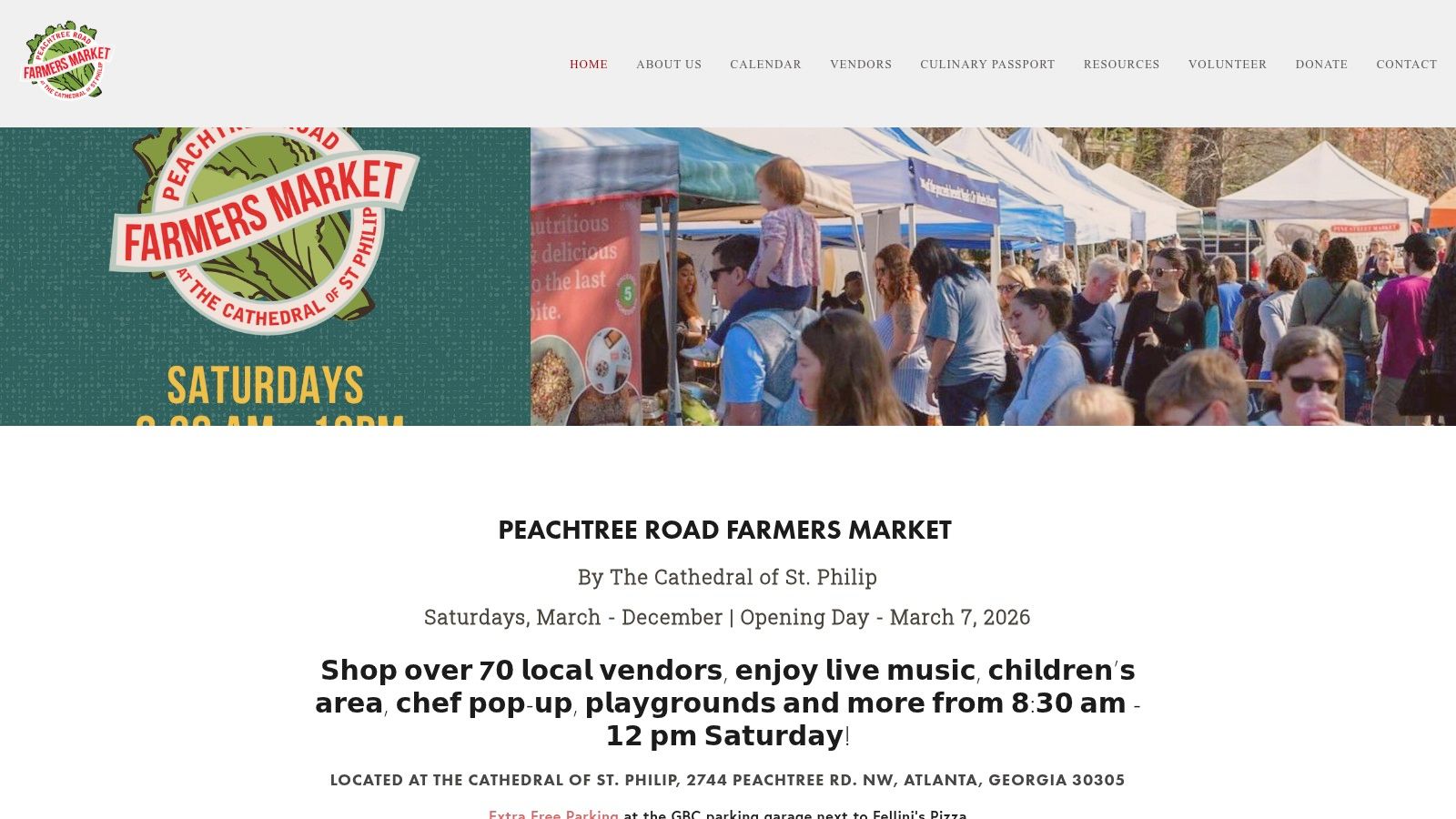
You pull in on a Saturday with a real shopping list, not just a tote bag and good intentions. Peachtree Road Farmers Market is one of the best places in Atlanta to shop that way. Peachtree Road Farmers Market is organized, producer-focused, and consistent enough that regulars can build part of their weekly routine around it.
That structure is the draw. Some markets are better for wandering. Peachtree Road is better for buying.
Its Buckhead location also helps northside shoppers fold a market stop into the rest of the day, especially if they are already handling errands, home projects, or property work across Atlanta service areas for cleanouts and junk removal. A market becomes more useful when it fits the route you already have.
What works best here
Peachtree Road rewards shoppers who arrive with a plan. If the goal is produce, eggs, meat, bread, prepared foods, or a few pantry staples from known local vendors, the market usually supports a focused trip better than smaller pop-up style markets. The chef demos and food programming also add practical value. You get ideas for using what is in season, which makes it easier to buy locally and cook through what you bring home.
A few strengths stand out:
- Consistent Saturday routine: Regular hours make repeat shopping easier.
- Clear visitor expectations: Parking, pets, and market guidelines are usually easy to find before you go.
- Well-managed feel: The market stays lively without feeling disorganized.
There is a community systems angle here too. Well-run markets depend on more than good vendors. They also depend on setup crews, composting habits, donation channels, and responsible cleanup after the crowd leaves. That support work is easy to miss, but it is part of what makes local food systems more sustainable. Partners that help Atlanta properties and events reduce landfill waste, including companies like Fulton Junk Removal, play a quiet role in the broader circular economy that keeps usable materials in circulation and supports cleaner community spaces.
One practical tip matters more than any other. Arrive early if selection is the priority.
The trade-off is straightforward. Peachtree Road has a strong reputation, so it draws a crowd. That energy is part of the appeal for some shoppers, but it can slow down parking, checkout lines, and quick staple runs later in the morning. For a first visit, it works best to decide what kind of trip you want before you leave home. If you want efficiency, go early and shop with intent. If you want a fuller social atmosphere, give yourself more time and expect a busier market.
2. Freedom Farmers Market at the Carter Center (Poncey-Highland/Old Fourth Ward)
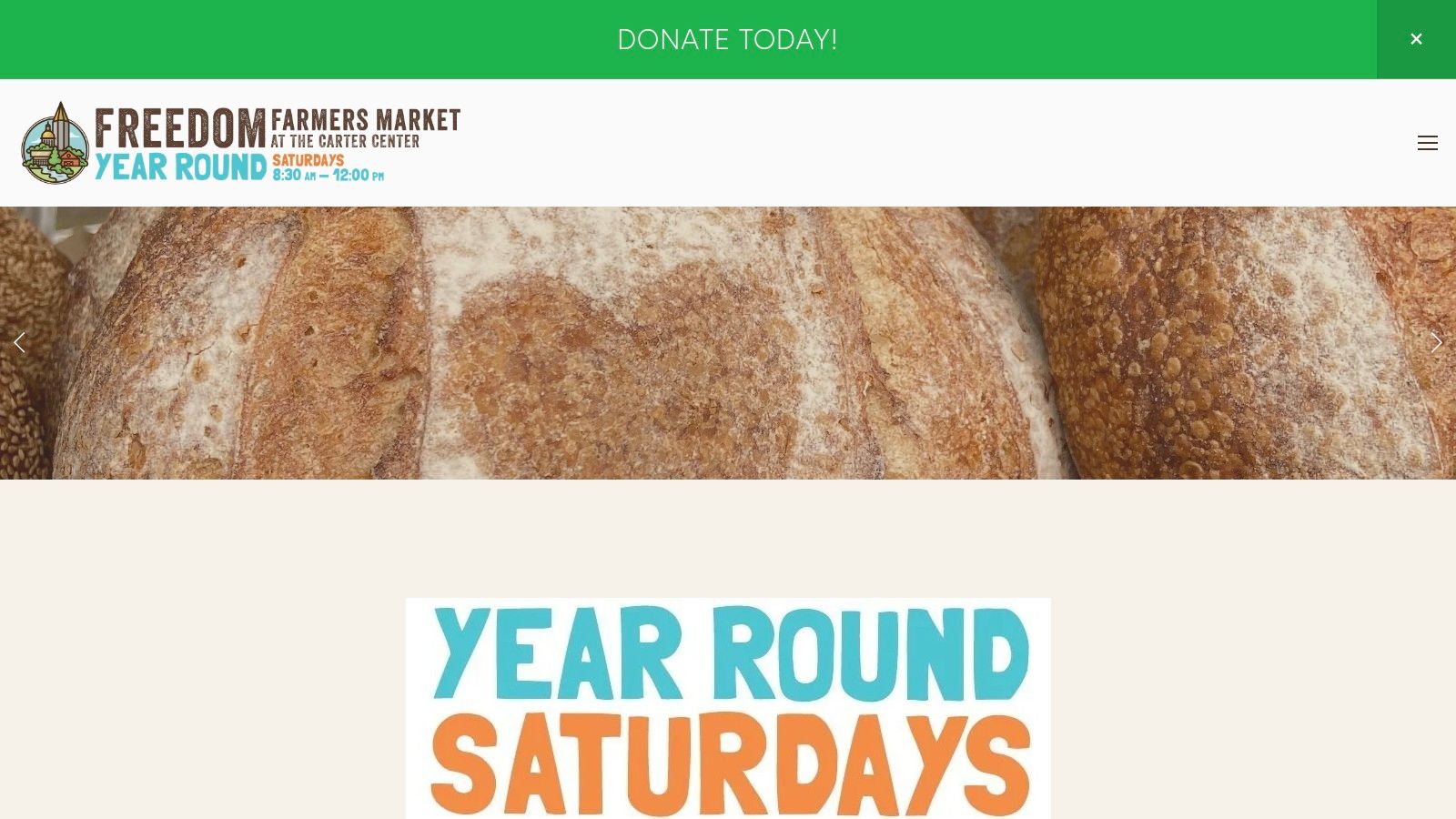
Freedom Farmers Market is one of the easiest markets to recommend to intown shoppers who want local food without making the morning feel overly choreographed. The Carter Center setting gives it a comfortable balance. It feels central, walkable, and social, but still grounded in farm-first shopping.
For residents juggling city errands, property work, or move-related cleanup, that centrality matters. It pairs naturally with other intown obligations, especially for people already working with services in Atlanta junk removal coverage areas.
Best for a market morning that feels like part of the neighborhood
This is a good market for people who don’t separate shopping from hanging out. Regular chef pop-ups and live music help create a “breakfast at the market” feel, and the vendor updates make it easier to decide whether a specific week is worth the trip for your usual staples.
What stands out most is the curation. Freedom tends to appeal to shoppers who care about sustainably grown products and want a strong mix of farms, proteins, dairy, and artisan foods in one stop.
Here’s the trade-off:
- Strong intown convenience: Great if you live nearby or prefer a walkable outing.
- Short shopping window: Because it wraps by noon, late arrivals can find thinner selection.
- Event-sensitive parking: The campus setting is attractive, but parking can vary with other activity.
Go here if you want a market that feels local and intentional, not oversized.
That distinction matters in Atlanta. Some markets feel like events first and shopping destinations second. Freedom generally keeps the food at the center of the experience. If you’re the kind of buyer who wants to talk briefly with vendors, pick up a few standout ingredients, and still have the rest of the day left, this market usually gets the balance right.
3. Green Market at Piedmont Park (Midtown)
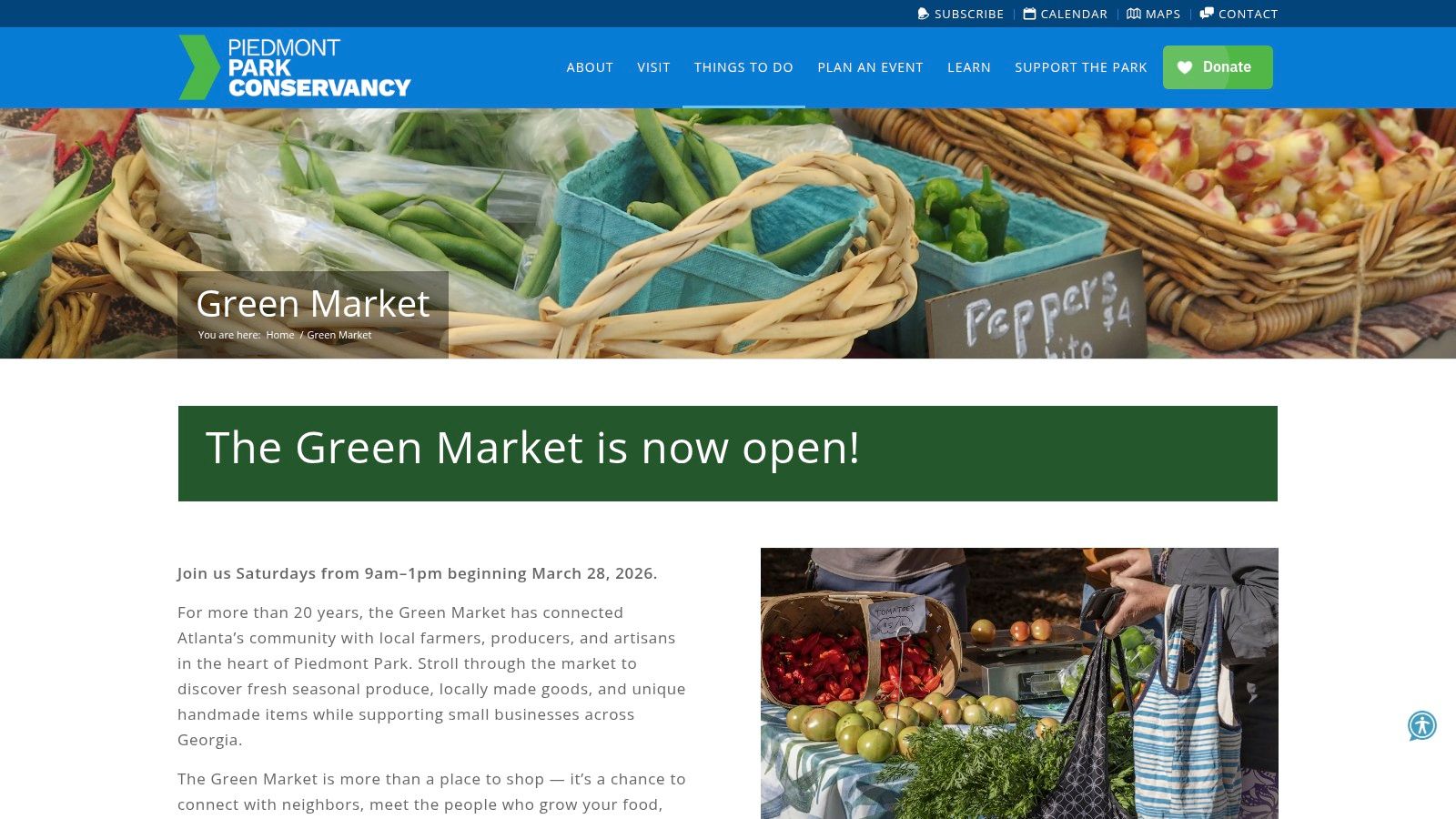
The Green Market at Piedmont Park works best when you want your market trip to double as time outside. This is a key advantage. You’re not just buying produce or bread. You’re folding the market into a Midtown park outing, which makes it particularly good for families, casual shoppers, and anyone meeting friends.
That wider draw is also why it can be tricky. Piedmont Park is a destination even before the market opens, so traffic and parking require more patience than at smaller neighborhood setups. Shoppers coming in from the northern suburbs, including those around Roswell service coverage, should plan the drive as carefully as the shopping list.
Where this market shines
The park setting gives this market something most others can’t match. If you’ve got kids, a dog-walking plan elsewhere in the park, or want to stretch the morning into a longer outing, it’s easy to justify the trip. The Conservancy’s event programming can also make repeat visits feel different from week to week.
A few practical strengths stand out:
- Central Midtown location: Good for walk-up traffic and intown access.
- Family-friendly surroundings: Trails, open space, and nearby amenities make the trip easier to enjoy.
- EBT support and programming: Helpful for shoppers who want both access and community activity in one place.
The downside is simple. Busy park days can complicate what should be a straightforward grocery stop.
Parking is the real filter here. If you don’t want to circle or wait, arrive early or choose transit.
This market isn’t the one I’d recommend for a serious bulk-buying run. It’s better for a flexible basket and a relaxed pace. If you want tomatoes, eggs, prepared foods, and a walk through the park, it’s one of Atlanta’s most pleasant options. If you want speed and certainty, another market will probably suit you better.
4. Grant Park Farmers Market (The Beacon, Grant Park)
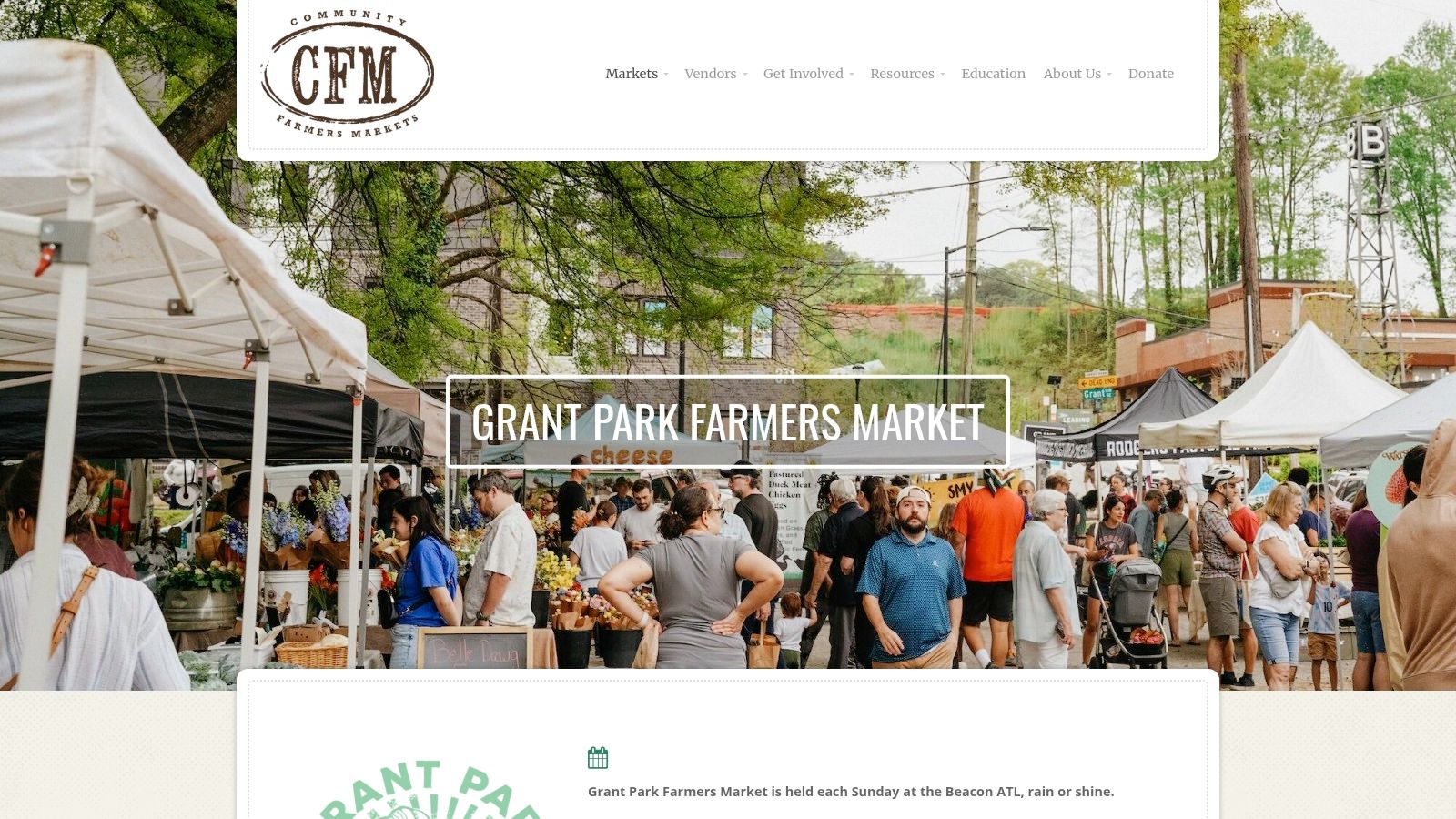
Sunday at The Beacon fills a specific need. You wake up, realize the fridge needs produce, bread, and something ready for lunch, and you still want the trip to feel local rather than transactional. Grant Park Farmers Market fits that rhythm well because it gives shoppers a reliable Sunday option in a setting that feels grounded in the neighborhood.
It also makes sense for households coming in from the north side and combining errands into one intown run, including shoppers from Alpharetta cleanup and hauling service areas. The Beacon helps here. The layout is easier to read than a scattered pop-up lot, so the visit usually feels practical, not chaotic.
Best for Sunday restocking with a neighborhood feel
What sets this market apart is consistency. Community Farmers Markets runs it, and that usually shows up in the details shoppers notice first: vendor flow, checkout ease, and a balanced mix of staples and prepared foods. You can come for produce and eggs, then leave with coffee, bread, and dinner handled.
That mix matters if you shop with real constraints. Some markets are better for lingering. Grant Park is better at serving both kinds of customers. The person doing a quick weekly restock and the family turning the stop into part of a slower Sunday morning can both get what they need.
A few strengths stand out:
- Sunday schedule: Useful for shoppers who miss Saturday markets or prefer to buy closer to the start of the week.
- Well-rounded vendor mix: Fresh produce, baked goods, coffee, and prepared food make it easier to cover both groceries and immediate meals.
- Comfortable site flow: The Beacon setting gives the market room to function without feeling detached from the neighborhood.
There is a community angle here that many roundup lists miss. Markets like this depend on more than farmers and shoppers. They also depend on vendors, organizers, nearby businesses, and service partners that help keep the site clean and usable week after week. Responsible hauling and reuse work matter in that system because less waste sent to landfill supports the same local, circular economy that farmers markets are trying to build.
The trade-off is simple. If your household needs a large, highly efficient stock-up trip with maximum vendor volume, this may feel smaller than your ideal market. Weather can also shape the experience since the setup is fully outdoors.
On a mild Sunday, though, Grant Park is one of the easier markets to recommend if you want local food, a manageable shopping experience, and a clearer connection to the community infrastructure that keeps Atlanta’s market culture working.
5. East Atlanta Village Farmers Market (EAV)
It is 5:30 on a Thursday, you still need produce for the next few dinners, and the idea of giving up part of Saturday for errands sounds terrible. East Atlanta Village Farmers Market fits that exact routine. It works well for shoppers who want local food in the middle of a real week, not as a special weekend outing.
EAV has the feel of a market that belongs to its neighborhood. The pace is looser, the crowd is more local, and the trip can cover more than one need at once. You can pick up vegetables, grab something ready to eat, and spend a little time outside without turning the stop into a half-day plan.
Best for weeknight regulars who shop with intention
The strongest reason to choose EAV is timing. A Thursday market helps households restock before the weekend rush, and it gives people who cook at home a better shot at buying fresh ingredients close to when they will use them. That sounds simple, but it matters. Food gets eaten, less goes to waste, and local buying becomes easier to repeat.
The family-friendly side also gives this market range. The Edible Learning Garden adds a practical community element, especially for parents trying to make food shopping more visible and hands-on for kids. That neighborhood education piece is part of what keeps markets like EAV valuable beyond the transaction itself.
Getting there is also more flexible than some Atlanta shoppers assume. EAV is one of the markets specifically noted as accessible by bus lines No. 9, 34, 4, and 107 in an Atlanta market access discussion. For a weeknight market, that matters. Easier access lowers the friction for regular visits and broadens who can participate.
A few trade-offs are worth knowing:
- Strong Thursday timing: Good for after-work grocery runs and dinner pickup.
- Neighborhood scale: Easier to shop than a massive market, but less suited to a big one-trip stock-up.
- Community feel: Better for steady local habits than for shoppers chasing the widest vendor selection in the city.
Markets like EAV also rely on support work that shoppers rarely see. Organizers, vendors, nearby businesses, and service partners all help keep the space usable, clean, and welcoming each week. That includes responsible waste handling and reuse efforts that support the same local, lower-waste economy these markets stand for. Eco-conscious partners such as Fulton Junk Removal play a practical role in that system by helping materials stay out of the landfill when possible and keeping neighborhood event spaces functional.
If your goal is maximum volume, a larger Saturday market will still do more in one trip. If your goal is to build a realistic local shopping habit that supports Atlanta growers, reduces waste, and keeps money circulating in the community, EAV is one of the smarter markets to put on your weekly calendar.
6. Decatur Farmers Market (Downtown Decatur)
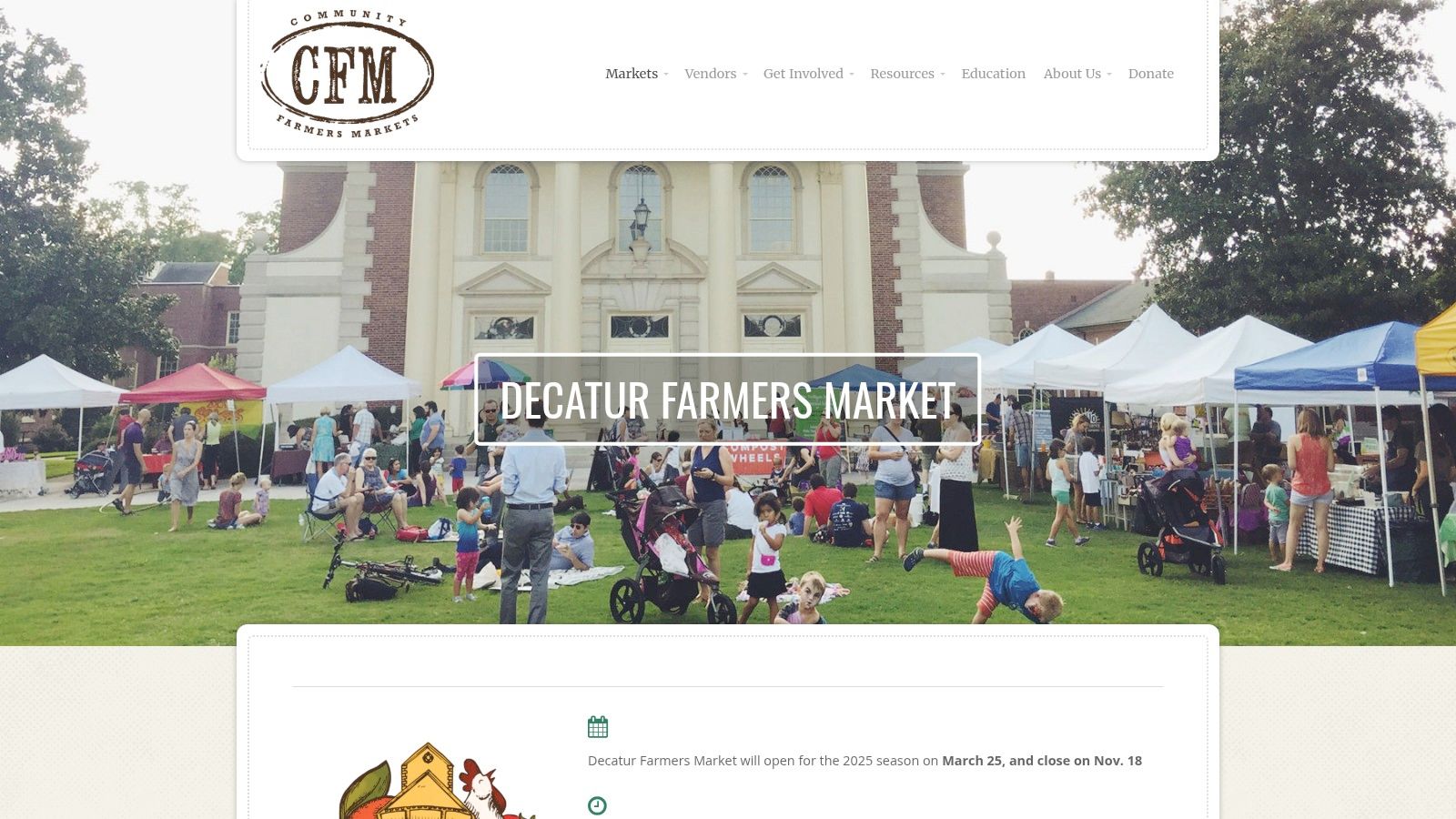
Decatur Farmers Market is for shoppers who want a mid-week reset. Wednesday markets can be underrated because they don’t have the social energy of a big weekend crowd, but that’s exactly why they work. You can buy produce, bread, flowers, eggs, or meat without turning the whole trip into an event.
Its location near Decatur Square helps. Being able to walk over, park nearby, or tack the visit onto an existing weeknight plan gives this market a practical edge, especially for households that prefer smaller, more frequent shops.
Why the mid-week format is the selling point
This market rewards intentional, routine shopping. It’s a strong option for people who cook during the week and want ingredients that haven’t been sitting around since Sunday. The lawn setting also keeps it welcoming, particularly for families who need a little room instead of a tight, high-traffic market footprint.
A few reasons it works well:
- Mid-week timing: Good for replenishing perishables before the weekend.
- Hyperlocal mix: Produce, meats, eggs, flowers, and breads cover the core basket well.
- Walkable setting: Helpful if you prefer neighborhood errands over destination driving.
The trade-off is obvious. A Wednesday-only schedule is useful if it matches your routine and useless if it doesn’t. Seasonal operation also means you need to check whether it’s currently running before heading over.
Decatur’s appeal isn’t flash. It’s convenience and quality in a setting that feels local enough to revisit regularly. If your best Atlanta farmers markets list prioritizes actual weekly usefulness over hype, this one belongs on it.
7. Atlanta State Farmers Market (Forest Park)
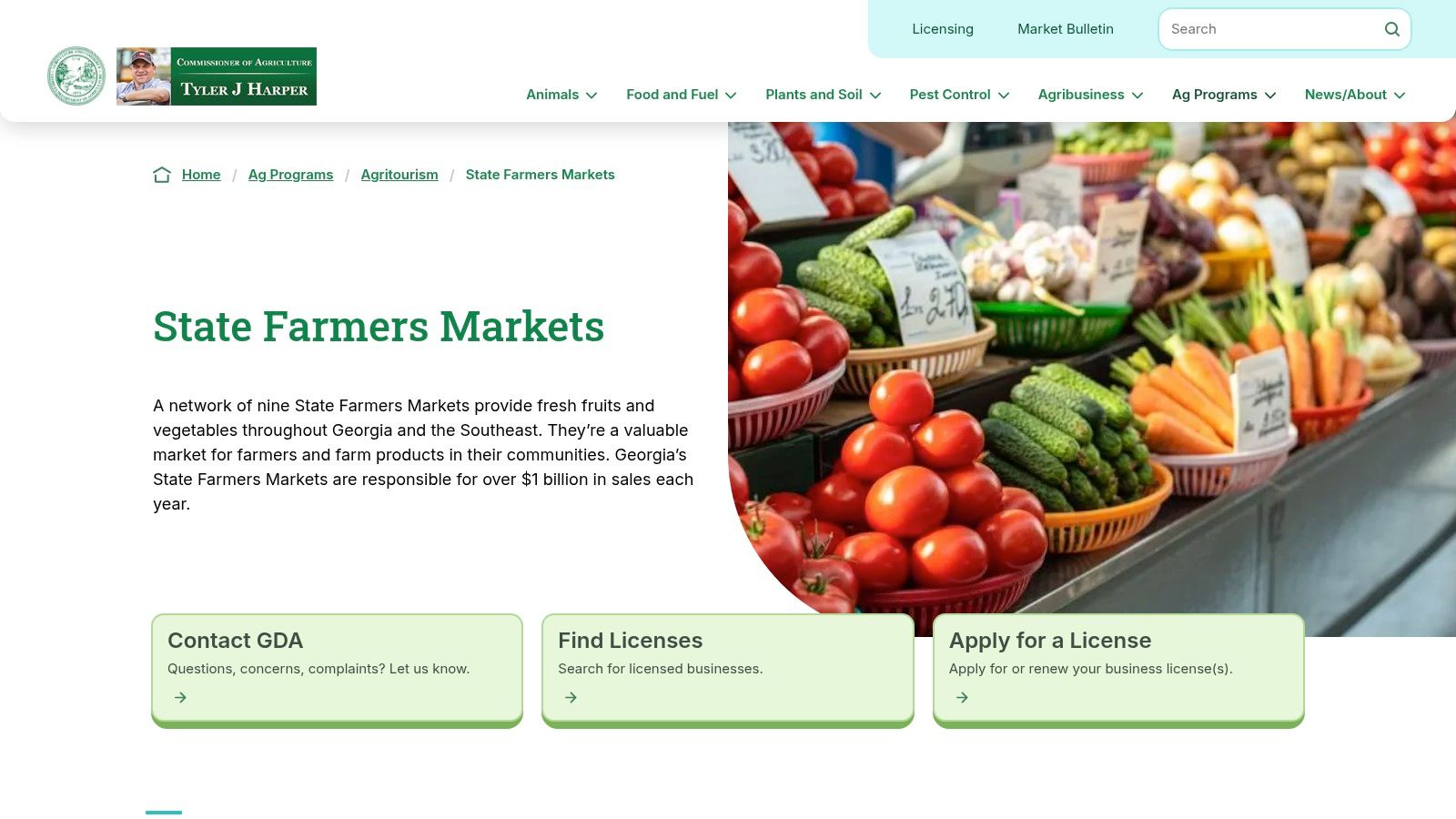
The Atlanta State Farmers Market is a different animal from the neighborhood markets on this list. If you show up expecting a boutique weekend stroll, you’re going to misunderstand the place. This is a large, year-round market and distribution hub built for scale, selection, and practical buying.
That scale is real. The market was established in 1976 and has grown to over 150 acres, making it one of the largest outdoor farmers markets in the country. For shoppers, growers, and businesses, that means breadth you won’t get from a smaller curated market.
It’s also especially relevant for southside households, event operators, and commercial buyers working around South Fulton cleanout and hauling service areas, where bulk movement, storage turnover, and large-site logistics are part of everyday operations.
Best for volume, variety, and year-round access
This is the market to choose when you want options and quantity more than ambiance. Retail shoppers can still use it well, especially for produce-heavy runs, seasonal items, or garden-related buying, but the experience feels much more like navigating a working market complex than attending a neighborhood gathering.
What stands out most:
- Massive footprint: Good for shoppers who want breadth and bulk.
- Year-round operation: Useful when smaller seasonal markets aren’t available.
- Functional amenities: Parking, market maps, dining, and multiple vendor areas support longer visits.
Don’t wing this visit. Check the layout first and shop with a plan.
The downside is the atmosphere. It’s less curated, less intimate, and less immediately charming than the city’s smaller markets. But charm isn’t the point here. Utility is. If your shopping style leans practical, or you need a serious produce run without waiting for peak season energy, Atlanta State Farmers Market earns its place on any honest list of the best Atlanta farmers markets.
Top 7 Atlanta Farmers Markets Comparison
| Market | Location & Schedule ⚡ | Access & Logistics 🔄 | Offerings & Impact 📊 | Visitor Experience ⭐ | Ideal Use Cases & Tips 💡 |
|---|---|---|---|---|---|
| Peachtree Road Farmers Market (Buckhead) | Buckhead, Saturdays 8:30 a.m.–12 p.m. (Mar–Dec), rain or shine | Curated vendor list, posted parking/garage guidance; busy mid-morning; EBT accepted | Producer-focused farms, rotating chef demos, community programs | High-quality curation, popular and crowded at peak times | Arrive early, check calendar for demos, bring cooler |
| Freedom Farmers Market at the Carter Center | Carter Center, Saturdays ~8:30 a.m.–12 p.m. | Walkable to BeltLine; parking varies with events; weekly vendor updates | Regional farms, meats/cheese, artisan foods, live music, chef pop-ups | Sustainably driven, casual breakfast-at-market vibe | Walk from BeltLine, check weekly vendor list, arrive before noon |
| Green Market at Piedmont Park (Midtown) | Piedmont Park, Saturdays (seasonal/event calendar) | Park setting with transit options; parking tight on event days; EBT supported | Farms + specialty makers, occasional Conservancy demos/events | Family-friendly park outing with varied programming | Combine with park activities, check Conservancy calendar, use transit |
| Grant Park Farmers Market (The Beacon) | The Beacon, Sundays ~9 a.m.–1 p.m., year-round | Reliable site guidance and parking at The Beacon; Georgia Fresh For Less EBT doubling | Robust farms, bakeries, coffee, prepared foods | Strong neighborhood community vibe, consistent weekly market | Best for weekend shopping and community visits; expect Sunday-only schedule |
| East Atlanta Village Farmers Market (EAV) | East Atlanta Village, Thursdays ~4–8 p.m. (seasonal) | Evening schedule; relaxed seating; on-site garden activities; SNAP doubling | Prepared-food dinner options, vendors, Edible Learning Garden | Laid-back after-work social market, family-friendly | Ideal for after-work dinners/social visits; check seasonal hours |
| Decatur Farmers Market (Downtown Decatur) | Downtown Decatur, Wednesdays 4–7 p.m. (Mar–Nov) | Walkable from Decatur Square; seasonal schedule; SNAP doubling available | Hyperlocal produce, meats, eggs, breads, flowers | Convenient mid-week community market in a lawn setting | Great for Decatur residents and mid-week shopping; confirm season dates |
| Atlanta State Farmers Market (Forest Park) | Forest Park, daily retail hours ~8 a.m.–5 p.m., year-round (facility supports 24/7 deliveries) | Large 150-acre hub with extensive parking; wholesale and retail; sprawling layout | Massive selection, bulk-buying, garden center, seasonal items | One-stop, cost-effective for bulk purchases; less boutique vibe | Use market map to plan visit; ideal for bulk/seasonal sourcing and commercial buyers |
Beyond the Tote Bag How We All Support Local
Choosing where to shop says something about how you want your city to work. Atlanta’s farmers markets make it easier to support growers, bakers, and producers directly, but the impact goes beyond whatever fits in your tote bag. These markets help maintain local food access, strengthen neighborhood routines, and keep sustainability grounded in everyday actions instead of abstract branding.
That bigger picture matters in a metro area with a mature market ecosystem. Some shoppers need a polished Saturday destination. Others need a Thursday evening stop that fits around work and school. Others need a large, year-round produce hub. The strength of Atlanta’s market culture is that it supports all three, and that range makes local buying more realistic for more households.
There’s also a less visible layer that keeps these places functioning well. Markets create waste streams, vendor turnover, display materials, packaging, damaged fixtures, and event debris. If those materials aren’t handled responsibly, a community event that talks about sustainability can still generate unnecessary landfill waste. That’s where local service partners matter.
Fulton Junk Removal fits into that behind-the-scenes support role in a practical way. The company handles cleanouts and haul-away work for homes, businesses, and properties across the metro, but the more important distinction is how it works with Beyond Surplus. Instead of treating everything as trash, the team separates recyclable materials, including electronics and metals, for responsible processing and reuse whenever possible.
For offices, warehouses, property managers, and event operators, that approach solves two problems at once. It clears space quickly and supports a more defensible sustainability process. If a market organizer, venue manager, or neighborhood partner needs pre-event cleanup, post-event debris removal, or bundled junk removal with recycling support, that kind of local operational help makes community events easier to run and easier to stand behind.
That circular mindset belongs in the same conversation as farmers markets. Buying local food is one part of building a more responsible city. Recycling materials, reusing what still has value, and keeping useful items out of landfills is another. When those systems work together, Atlanta doesn’t just look greener on a Saturday morning. It functions more sustainably all week.
The best Atlanta farmers markets make that connection tangible. You meet the people producing food, see what seasonality looks like, and spend money in ways that reinforce regional resilience. And when local businesses support those same values through responsible hauling, recycling, and reuse, the whole ecosystem gets stronger.
If you’re planning a home cleanout, managing a property turnover, or coordinating event debris removal in metro Atlanta, Fulton Junk Removal can help you clear space quickly without defaulting to landfill-first disposal. As part of the Beyond Surplus family, the team combines fast haul-away service with responsible recycling and reuse, which makes it a smart fit for homeowners, property managers, offices, warehouses, and sustainability-minded organizations.
