
City of Atlanta ZIP Code Guide for Business & Residents
A lease ends on Friday in Midtown. A new tenant takes over Monday in Buckhead. At the same time, a facilities team in South Fulton needs old fixtures, pallets, and electronics cleared without disrupting operations or creating a reporting gap. In Atlanta, those jobs may sit under the same city name, but they do not run the same way.
The city of atlanta zip code map gets confusing fast because ZIP codes rarely match the neighborhood shorthand people use every day. They also shape the practical side of a project: truck access, dock rules, elevator reservations, donation options, recycling outlets, and how a crew should be scheduled.
This wide distribution makes planning by ZIP code a practical approach. For property managers, business owners, contractors, and residents, it is the fastest way to match the work to the site conditions instead of treating Atlanta like one uniform service area.
That matters for compliance as much as convenience. An office decommissioning may need documented electronics recycling. A retail cleanout may need landfill diversion tracked for internal sustainability reporting. A multifamily turnover may depend on building rules and tight pickup windows. ZIP code is not the only planning factor, but in Atlanta it is often the clearest starting point.
This guide focuses on the Atlanta ZIP codes that come up most often in real cleanouts, relocations, and property turnover work. It connects neighborhoods to the hauling, recycling, donation, and reporting needs that usually come with them. For businesses comparing service coverage before scheduling, Fulton Junk Removal’s Atlanta junk removal service area is the practical place to start.
Fulton Junk Removal fits in as the eco-conscious option for property cleanouts, commercial junk removal, recycling, and diversion reporting, with the local context to handle each Atlanta ZIP code on its own terms.
1. Downtown Atlanta (30303, 30313)
Downtown jobs are access problems first, hauling problems second.
In 30303 and 30313, cleanouts often happen inside office towers, mixed-use buildings, event spaces, and older commercial properties with limited dock time. If you’re a facilities manager or office administrator, the hardest part usually isn’t deciding what goes. It’s getting crews, elevators, carts, and trucks coordinated without disrupting tenants or foot traffic.
What works in the core business district
Off-hours scheduling usually wins. Early morning and evening pickups reduce friction with loading zones, street congestion, and building security. For lease-end removals, that’s especially important when desks, cubicles, conference tables, and obsolete electronics all need to leave at once.
A few common downtown scenarios:
- Office relocation cleanouts: Removing furniture, monitors, printers, and general surplus before a tenant surrender.
- Post-renovation debris hauling: Clearing packaging, fixtures, flooring, and nonhazardous construction debris after an office refresh.
- Commercial decommissioning: Handling furniture and e-waste in one coordinated pickup so the site can be handed back quickly.
For service planning in the city core, Fulton’s Atlanta service area coverage is the practical place to start.
Practical rule: In downtown Atlanta, get building management involved before pickup day. Dock access, freight elevator windows, and certificates of insurance can decide whether a job moves smoothly or stalls in the lobby.
Downtown also benefits from a sustainability-first approach. Corporate tenants increasingly want furniture reuse, electronics recycling, and documentation that supports internal reporting. That’s where a standard “dump run” falls short. A provider that can separate haul-away from landfill disposal gives operations teams a cleaner handoff.
2. Midtown Atlanta (30308, 30309)
A Midtown property manager can face three different disposal problems in the same week. A multifamily turnover in 30308, a startup downsizing in 30309, and a restaurant clearing out old fixtures before a remodel. That mix is what defines this part of Atlanta. Volume matters, but timing, access, and material separation usually matter more.
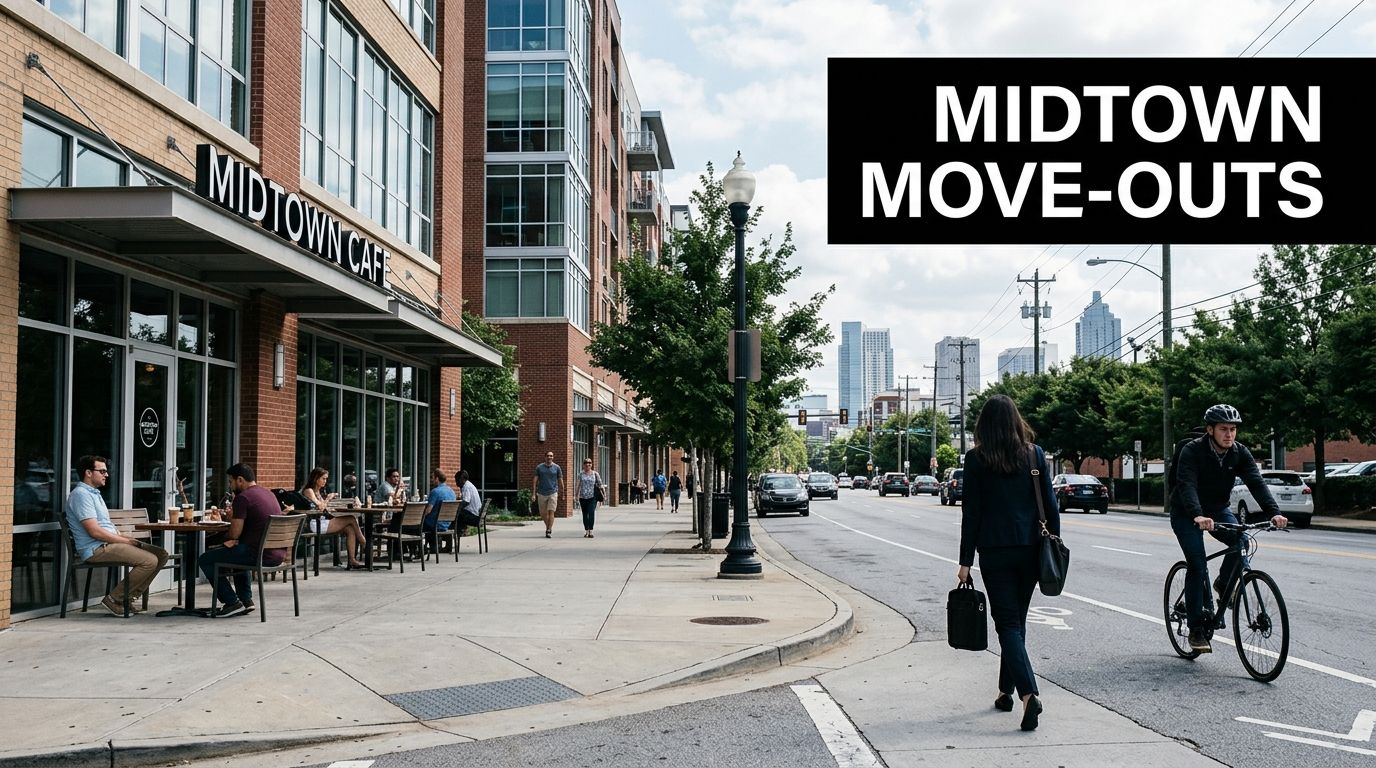
Midtown combines dense residential buildings, office space, hospitality, and street-level retail in a compact service area. That creates steady demand for smaller, faster pickups instead of infrequent large clear-outs. For businesses and property teams, the operational question is usually not just who can haul the material away. It is who can sort it properly, document diversion, and keep the job on schedule without creating building headaches.
Best-fit jobs in Midtown
The work here tends to be varied and deadline-driven:
- Apartment move-out cleanups: Fast removal of mattresses, sofas, boxes, and general clutter before turnover deadlines.
- Startup office resets: Desks, task chairs, shelving, monitors, and retired electronics often need one coordinated pickup with recycling handled correctly.
- Restaurant and retail renovations: Old fixtures, seating, displays, and nonhazardous debris need to be cleared quickly so trades can stay on sequence.
Midtown clients also ask better questions. They want to know what gets donated, what gets recycled, what requires special handling, and what support they will have for internal sustainability reporting or property compliance files. Fulton’s junk removal services meet that expectation because hauling, sorting, donation, and recycling can be coordinated through one team. For coverage across these mixed-use corridors, review Fulton’s Atlanta-area junk removal service locations.
The common failure point in Midtown is logistics. Crews need a plan for service elevators, loading docks, alley access, parking decks, and tenant communication. Clear arrival windows and material lists help avoid delays, especially in buildings where management wants advance notice and proof that e-waste or reusable furniture will be handled responsibly.
3. Buckhead (30305, 30326, 30327)
A Buckhead pickup can start with a condo service elevator in 30305, move to an office suite near Lenox in 30326, and end at a gated home in 30327. Each stop calls for a different operating standard. Speed still matters, but property protection, privacy, and documentation usually matter just as much.
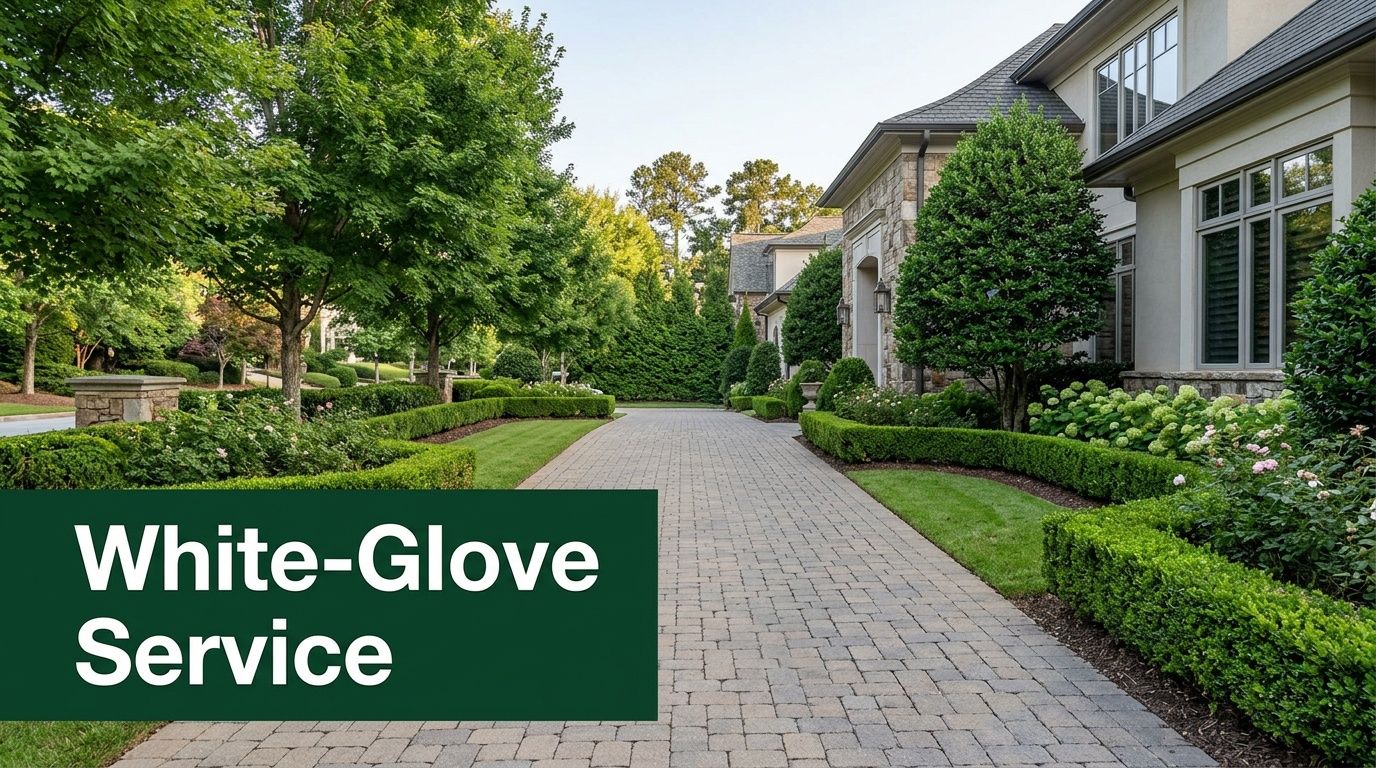
Buckhead combines luxury homes, high-rise residential buildings, Class A office space, and upscale retail corridors. That mix changes what clients ask for. Property managers often need insured crews, tight arrival windows, and clean loading procedures. Residents clearing large homes often want careful sorting so usable furniture, decor, and electronics can be diverted from disposal when possible. Businesses are more likely to ask for recycling records or disposal confirmation that fits internal sustainability and compliance files.
Where Buckhead jobs get more specific
The work here usually falls into a few categories, but the standard is higher across all of them:
- Estate and downsizing cleanouts: Items often include higher-quality furniture, artwork, housewares, and electronics that deserve sorting before anything is loaded.
- Luxury renovation and remodel debris removal: Crews need to protect stone, hardwoods, driveways, elevators, and common areas while keeping debris moving out on schedule.
- Office and retail resets: Furniture, shelving, displays, and e-waste need organized removal that respects building rules and supports recycling goals.
- Property manager turnovers: Fast clear-outs matter, but so do discretion, photo documentation, and coordination with concierge staff, HOAs, or security teams.
Buckhead is also less forgiving of sloppy process. Gated access can delay a truck. A freight elevator may require a reservation. A condo board may want certificates of insurance on file before the crew arrives. For commercial sites, loading dock rules and approved service hours can dictate the entire job plan.
That is why broad coverage alone is not enough. The provider has to handle upscale residential work, commercial cleanouts, donation and recycling separation, and reporting without creating friction for tenants or building staff. Fulton’s metro Atlanta junk removal service areas help owners and managers who need one partner across multiple Buckhead properties.
The practical advantage in these ZIP codes is not just hauling capacity. It is judgment. Crews need to know what can be donated, what should be recycled, what requires special handling, and what should be documented for the client file. In Buckhead, that level of control protects referrals, supports sustainability reporting, and keeps high-visibility properties looking well managed.
4. West Midtown/Westside (30318)
A crew can start the morning clearing a designer’s loft, spend midday removing old prep tables from a restaurant, and finish with pallets, shelving, and scrap from a flex warehouse. That is 30318.
West Midtown and the broader Westside put very different property types inside one ZIP code. Former industrial buildings now sit next to apartments, breweries, offices, showrooms, and active redevelopment sites. For junk removal, the challenge is not volume alone. It is switching methods without slowing the client’s schedule or contaminating recyclable material streams.
This area rewards planning before the truck rolls.
A simple furniture pickup can turn into a logistics job if the property has shared loading areas, narrow service access, or tight service windows. On the commercial side, managers often need more than hauling. They need equipment removed without disrupting operations, scrap separated correctly, and documentation that supports internal sustainability reporting.
What usually works best in 30318
The strongest service plans here are built around property use, turnover speed, and material type.
- Restaurant, brewery, and hospitality removals: Fixture swaps, kitchen equipment, bar buildouts, and back-of-house cleanouts often need off-hours scheduling and careful metal recovery.
- Creative office and showroom resets: West Midtown businesses replace desks, displays, shelving, sample materials, and electronics on shorter timelines than traditional offices.
- Industrial and flex-space cleanouts: These jobs can include racking, pallets, packaging waste, obsolete inventory, and mixed scrap that should be sorted before disposal.
- Apartment and loft turnovers: Dense mixed-use buildings need disciplined staging, clean common-area protection, and fast completion so the next contractor can start.
The main operational mistake in 30318 is treating every stop like a standard curbside pickup. It rarely is. Access rules vary by building. Parking can be tight. A restaurant owner may only have a short morning window before deliveries begin. A property manager may need photos, weight estimates, or diversion details for a client report.
That is where Fulton Junk Removal stands out. The team handles commercial junk removal, tenant turnovers, equipment removal, and recycling with a process that fits how Westside properties operate. For businesses under pressure to document environmental performance, concrete reporting matters more than generic promises. Loads need to be sorted with intent, and recyclable materials need a clear downstream path.
In 30318, good service protects uptime. Better service also helps a business show what was reused, recycled, and kept out of the landfill.
5. East Atlanta & The BeltLine (30312, 30316, 30317)
This part of Atlanta rewards straightforward service. Residents and small businesses usually want fair pricing, fast scheduling, and honest answers about donation and recycling.
You’ll find a broad mix here: renovated bungalows, rental properties, local shops, cafés, and small commercial spaces. Jobs are often smaller than a warehouse sweep or corporate decommissioning, but they’re no less urgent. A landlord may need a unit cleared before repainting. A coffee shop may be replacing equipment. A family may be cleaning out a basement before a move.
What tends to win in east-side neighborhoods
The best jobs in these ZIPs are handled with clear scopes and no surprises.
- Move-out furniture pickups: Sofas, bed frames, dressers, and bagged clutter from apartments and houses.
- Small business transitions: Vintage stores, salons, and neighborhood retailers often need selective removal rather than a full gut-out.
- Renovation support: Kitchen and bath upgrades create debris that homeowners don’t want sitting in driveways.
A lot of customers in these neighborhoods care about community impact. They don’t want usable items buried if there’s a better path. They also don’t want inflated bids padded with jargon. Transparent estimates and practical sorting matter more than polished sales language.
If the customer asks where the load is going, answer clearly. That question often decides who gets hired in BeltLine-adjacent neighborhoods.
What doesn’t work is treating every job like a big commercial account. These customers usually respond better to flexible pickup options, respectful crews, and realistic guidance on what can be reused, recycled, or hauled as trash.
6. Inman Park/Candler Park & Druid Hills (30307)
30307 jobs call for care.
This is the kind of city of atlanta zip code where old homes, narrow access, mature landscaping, and sentimental contents all show up on the same ticket. A rushed crew can remove the junk and still do the job badly if they damage floors, scrape trim, or toss items the family wanted separated.
Historic homes need a different approach
Estate and renovation work dominate here. A contractor may need debris removed during a restoration. A family may be clearing a relative’s home and sorting antiques, framed art, old books, or vintage furniture. Even when the job is simple on paper, the handling rarely is.
The most reliable process looks like this:
- Walk the site first: Identify narrow stairs, fragile surfaces, and keep-vs-go items before lifting starts.
- Separate donation candidates early: Don’t wait until the truck is packed to decide what may still have value.
- Protect the property: Door jambs, hardwoods, and landscaping need attention, especially on older homes.
In neighborhoods with strong preservation instincts, crews also need to read the room. Homeowners want confidence that the team understands the difference between debris and character items. That doesn’t mean turning every removal into an appraisal exercise. It means asking better questions before loading begins.
White-glove handling matters here more than speed alone. Fast service is still valuable, but careful service is what earns referrals from families, renovators, and local real estate professionals.
7. Virginia-Highland/Morningside (30306)
30306 is steady. Not chaotic, not overly industrial, just consistently active with household projects and life-transition cleanouts.
That makes it a strong market for repeat residential work. Long-term homeowners renovate kitchens and baths. Growing families clear attics and basements. Older residents downsize. Realtors need pre-listing decluttering done without drama.
The jobs that come up again and again
In neighborhoods like Virginia-Highland and Morningside, the work is often less about volume and more about timing.
A common pattern looks like this:
- Renovation cleanup before the next trade arrives
- Furniture removal before staging or listing photos
- Basement and attic clearouts before a family move
- Estate support when adult children are coordinating from out of town
The practical trade-off in 30306 is that customers often care about both convenience and sentiment. They want a garage emptied, but they also want a few pieces set aside for donation or family pickup. Crews that do well here communicate clearly, arrive on time, and don’t force homeowners to supervise every item.
This is also a neighborhood where contractor referrals matter. Remodelers, painters, and real estate agents frequently need a dependable haul-away partner they can bring in without risking the client relationship. What doesn’t work is rough handling or broad “we’ll be there sometime Friday” scheduling. Households here usually expect better than that.
A provider with donation-minded sorting and reliable appointment windows tends to stand out, especially when the cleanup is part of a larger home project.
8. Airport Area/South Fulton (30337, 30344, 30349)
A property manager near Hartsfield-Jackson usually has less room for delay than a homeowner in a quiet residential block. Dock schedules are fixed. Tenants are turning over fast. Hotel upgrades happen on tight timelines. In 30337, 30344, and 30349, junk removal often sits inside a larger operations plan, so the hauling partner has to match that pace.
This part of Atlanta covers a wide spread of property types. Airport-adjacent offices, freight and warehouse space, hotels, multifamily communities, and established neighborhoods all create demand. The work changes by address, but the standard stays consistent. Crews need to show up ready, handle mixed loads safely, and provide recycling and disposal records that support internal reporting.
Where the work is different
The airport corridor produces more compliance-driven jobs than many in-town neighborhoods. Businesses here often need more than a truck and labor. They need item counts for electronics, weight estimates for metal and cardboard recycling, and a clear paper trail for facilities teams, ownership groups, or ESG reporting.
Common requests include:
- Warehouse clearouts with shelving parts, broken pallets, packaging waste, and obsolete equipment
- Office move-outs involving desks, chairs, monitors, printers, and file storage contents
- Hotel refresh projects with mattress removal, room furniture haul-away, and back-of-house cleanup
- Apartment and rental turnovers where speed matters because the next occupant is already scheduled
A second challenge is access. Many sites in South Fulton have active loading docks, security procedures, restricted service hours, or live operations that cannot stop for a haul-away appointment. That changes how a good provider plans the job. Off-hours service, phased removal, and clear communication with building contacts matter more here than a generic same-day pitch.
For businesses and managers working across the southern corridor, Fulton’s Sandy Springs and metro-area service coverage gives a practical reference point for coordinated scheduling across multiple properties.
The sustainability piece also matters more in this zone than many clients expect. Airport-area cleanouts often generate recyclable metal, corrugated cardboard, electronics, and usable furniture in the same load. If those materials are dumped together, the client loses both recovery value and reporting clarity. Fulton Junk Removal stands out here by sorting for recycling and documenting what was diverted, which helps commercial clients keep records clean while reducing landfill volume.
Residential jobs still matter in 30344 and 30349, but even those often carry an operational edge. Landlords need quick turn units. Families preparing for relocation want a single pickup window that holds. Investors clearing a newly acquired property care about speed, but they also need the site left ready for the next contractor. In this part of Atlanta, reliability is not a nice extra. It is part of the service itself.
9. North Atlanta/Sandy Springs (30328, 30342, 30350)
A typical job here starts with tighter expectations. The office manager wants the pickup finished before staff returns. The HOA does not want trucks blocking access for long. The family handling an estate cleanout wants discretion, not a pile at the curb all weekend.
That mix of executive housing, medical offices, office parks, and long-established neighborhoods shapes the work in 30328, 30342, and 30350. Crews need to arrive on time, protect finishes, sort materials correctly, and leave a clean site behind. In this part of metro Atlanta, clients usually judge a provider by process discipline as much as hauling capacity.
Reliable service matters more than a low quote
This zone stays busy because the jobs are varied and often time-sensitive, but the common thread is accountability. Property teams need scheduled pickups that do not slip. Office managers need old furniture, monitors, and storage-room overflow removed without disrupting the workday. Families downsizing from larger homes need careful loading and clear communication, especially when usable items, recyclables, and true trash all appear in the same project.
The strongest service fits here include:
- Executive office cleanouts with building access coordination
- Corporate relocation support and furniture removal
- Estate, downsizing, and high-volume household cleanouts
- Appliance and bulk-item pickups for property managers
- Electronics and mixed-load recycling with diversion tracking
For multi-property owners and facilities teams working across the northern corridor, Fulton’s Sandy Springs junk removal service coverage is the practical reference for scheduling and service scope.
The sustainability angle is stronger here than many businesses expect. North Atlanta office cleanouts often produce a mixed stream of desks, chairs, cables, printers, shelving, cardboard, and e-waste. If one vendor dumps it all together, the client loses usable recycling records and creates extra risk for internal reporting. Fulton Junk Removal stands out by separating recoverable materials and documenting diversion, which helps companies track sustainability goals and maintain cleaner compliance records.
Residential clients benefit from that same discipline. Large-home cleanouts in 30342 or 30350 can include furniture donation candidates, scrap metal, appliances, and general household debris in one pickup. The job goes better when the crew sorts on site, loads efficiently, and understands that appearance matters as much as speed.
Reliability is the product in office park and estate environments. A missed window can delay movers, maintenance teams, leasing activity, or the next contractor.
10. Southwest Atlanta (30310, 30311, 30314, 30315)
Southwest Atlanta demands local awareness. The work here can include investor cleanouts, family home decluttering, vacant property clearing, and redevelopment support, but those jobs don’t all carry the same context.
In some pockets, cleanup is tied directly to blight reduction and neighborhood stabilization. The benefits extend beyond curb appeal. In 30314, one community-focused analysis notes 38% residential vacancy rates, compared with 5% citywide, and 19% of housing in poor or deteriorated conditions, compared with 3% citywide. That kind of environment changes how property managers and investors should think about junk removal.
Cleanouts here affect more than one property
A fast, responsible clearout can help move a neglected property into the next phase, whether that’s rehab, listing, tenant-ready turnover, or code-compliance work. The common jobs include overgrown lots, abandoned contents, appliance removal, renovation debris, and small commercial clearouts for new operators entering the area.
What works best:
- Transparent pricing: Customers in redevelopment areas often compare several options closely.
- Flexible scopes: Some projects need a full-property sweep. Others just need a few bulky items gone so repairs can start.
- Responsible disposal: Illegal dumping and careless hauling only deepen neighborhood problems.
Southwest Atlanta is also where sustainability and equity can intersect for commercial clients. The Westside Promise Zone includes five neighborhoods and is described by the city as an area where businesses and institutions can align operational cleanup with community-sensitive practices, especially when they need diversion reporting for office transitions or facility changes in underserved areas (Atlanta Westside Promise Zone information).
Top 10 Atlanta Neighborhoods, Zip Code Comparison
| Area | 🔄 Implementation complexity | ⚡ Resource requirements | ⭐📊 Expected outcomes | 💡 Ideal use cases | ⭐ Key advantages |
|---|---|---|---|---|---|
| Downtown Atlanta (30303, 30313) | High 🔄 permits, building management coordination | High ⚡ large crews, compact trucks, recycling logistics | High ⭐📊 steady B2B volume, large-ticket projects | Office cleanouts, post-renovation, emergency commercial pickup | Large corporate client base; fast response proximity |
| Midtown (30308, 30309) | Medium 🔄 multi-story access, parking constraints | Medium ⚡ flexible crews, donation/recycling handling | Medium ⭐📊 frequent small jobs, steady repeat business | Apartment move-outs, startup office and retail cleanouts | Eco-conscious clientele; demand for speed and convenience |
| Buckhead (30305, 30326, 30327) | Medium-High 🔄 gated access, HOA/security approvals | High ⚡ white-glove teams, polished presentation, references | High ⭐📊 high revenue per job, premium contracts | Estate cleanouts, luxury renovation debris removal | Highest project values; preference for premium service |
| West Midtown/Westside (30318) | Medium 🔄 tight streets, mixed residential-commercial zoning | Medium ⚡ adaptable crews, specialty handling for studios/venues | Medium ⭐📊 steady creative-business and residential work | Artist studio clearouts, restaurant and gallery renovations | Niche creative market; strong sustainability interest |
| East Atlanta & The BeltLine (30312, 30316, 30317) | Medium 🔄 older streets, limited truck access in spots | Low-Medium ⚡ cost-sensitive crews, strong donation partnerships | Medium ⭐📊 high turnover frequency, modest ticket sizes | Apartment turnovers, small vintage shop relocations | Community-focused customers; recycling-driven demand |
| Inman Park/Candler Park & Druid Hills (30307) | Medium 🔄 historic-district restrictions, narrow driveways | Medium ⚡ careful handling, antique expertise, white-glove options | Medium-High ⭐📊 premium per-job, strong referrals | Historic home renovations, estate and antique removal | High neighborhood trust; strong referral network |
| Virginia-Highland/Morningside (30306) | Low-Medium 🔄 narrow streets, driveway limitations | Medium ⚡ repeat-service crews, flexible scheduling | Medium ⭐📊 consistent residential demand, repeat clients | Renovation cleanouts, move-outs, basement/attic declutters | Stable customer base; reliable repeat business |
| Airport Area/South Fulton (30337, 30344, 30349) | High 🔄 industrial compliance, facility scheduling | High ⚡ heavy equipment, compliance documentation, night ops | High ⭐📊 large-volume B2B projects, consistent contracts | Warehouse cleanouts, facility relocations, equipment disposal | Heavy-lift capability; steady commercial revenue stream |
| North Atlanta / Sandy Springs (30328, 30342, 30350) | Medium 🔄 HOA approvals, gated community access | High ⚡ premium crews, longer-route logistics | High ⭐📊 higher average spend, corporate and estate work | Luxury home cleanouts, corporate campus projects | Affluent market; strong corporate and property-manager demand |
| Southwest Atlanta (30310, 30311, 30314, 30315) | Medium 🔄 mixed infrastructure, construction access issues | Medium ⚡ flexible crews, construction hauling capacity | Medium ⭐📊 frequent renovation debris, variable budgets | Construction debris removal, foreclosure and rental cleanouts | High redevelopment activity; investor and landlord opportunities |
Fulton Junk Removal Your Eco-Friendly Partner in Every Atlanta ZIP Code
No matter which city of atlanta zip code you’re working in, the same rule applies. The best junk removal company isn’t just the one with a truck. It’s the one that can match the neighborhood, building type, and waste stream to the right removal plan.
That’s where Fulton Junk Removal stands apart. Most haulers focus on speed alone and treat every load like landfill material. Fulton works differently. Through its partnership with Beyond Surplus, the company offers a more circular approach that gives residents, offices, warehouses, and property managers a practical path to reuse and recycling.
For commercial clients, that difference matters. Office decommissions, warehouse cleanouts, retail resets, and property turnovers often include more than broken furniture and general trash. They include monitors, printers, cables, networking gear, metal fixtures, shelving, and mixed recyclable materials. Fulton handles the removal side. Beyond Surplus processes electronics and other recoverable materials responsibly, which helps businesses simplify sustainability reporting and internal compliance needs.
That bundled model is especially useful for IT directors, office managers, procurement teams, facilities leaders, and property managers. Instead of hiring one vendor to haul junk and another to deal with electronics recycling, you can coordinate a single cleanup that covers both. The result is less downtime, fewer handoffs, and clearer documentation.
The booking process is straightforward.
- Request a free estimate. Share your Atlanta ZIP code, property type, and the items you need removed.
- Review a clear quote. Smaller jobs can usually be priced quickly, while large office, warehouse, or estate projects may need an on-site look.
- Pick a service window. Scheduling can be built around tenant turnover, freight elevator access, dock availability, or home renovation timing.
- Let the team haul and sort. Usable, recyclable, and electronic materials are handled through the proper channels, with Beyond Surplus supporting responsible downstream processing.
This matters across the metro because Atlanta is large, varied, and operationally different from one ZIP to the next. The same city includes luxury homes, historic neighborhoods, high-rise office districts, industrial corridors, and redevelopment zones. A company that understands those differences can prevent delays, avoid access mistakes, and give customers a much cleaner result.
For homeowners, that means less clutter and less guesswork. For businesses, it means cleaner turnovers, faster transitions, and easier recycling documentation. For property managers, it means one partner who can move quickly without treating every property the same way.
If you need fast, professional hauling anywhere in Atlanta, contact Fulton Junk Removal. Whether you’re clearing an office, turning over a rental, cleaning out an estate, or bundling junk removal with electronics recycling through Beyond Surplus, the team can build a practical plan around your ZIP code, timeline, and sustainability goals.
