
Best Things to Do in the City of Atlanta 2026
You land in Atlanta with one full day free, a short list of places you have heard of, and the usual question. Which stops are worth the time once traffic, parking, weather, and energy levels are real factors?
Atlanta rewards a plan. The city carries the legacy of the 1996 Summer Olympics and Centennial Olympic Park, but it also feels more shaded and spread out than many first-time visitors expect. Trees Atlanta’s work on Atlanta’s urban forest helps explain why so many outings here feel better when you build in time outdoors instead of packing every hour with indoor attractions.
Timing changes the experience. Atlanta gets busier during major conventions, college football weekends, festival stretches, and spring bloom season. If you want shorter lines and less parking stress, weekday mornings usually beat Saturday afternoons. If you want atmosphere, plan around the city’s event calendar and accept a little extra friction.
The best version of this city is not just a checklist of headline attractions. It is a mix of history, green space, public culture, and neighborhoods where people live. That means using MARTA when it makes sense, spending with local businesses near the attractions, and leaving places better than you found them.
For visitors staying longer, I also recommend building in one practical reset day. Drop off items you do not need, clear space before or after a move, and donate usable goods locally when possible. If that kind of trip logistics matters, this Atlanta-area cleanout and hauling resource can help keep the practical side of travel from eating into your weekend.
If you’re visiting from farther out, this smart guide to a holiday in USA can help frame the bigger trip. Here, the focus stays on seven Atlanta attractions that hold up in real life, with honest notes on how to pair them, when to go, and how to enjoy them without treating the city like a backdrop.
1. Georgia Aquarium

Rain starts around lunch, your downtown plans need to stay walkable, and you still want one Atlanta stop that feels memorable instead of default. The Georgia Aquarium fits that situation well. It opened in 2005, according to Encyclopaedia Britannica, and it still works as one of the city’s strongest first-visit picks because the experience is easy to build a day around.
Scale is the point here, but pacing matters just as much. The aquarium states that it contains more than 11 million gallons of water and thousands of animals representing hundreds of species. That gives you options. Families can stay half a day without scrambling for filler, and adults visiting on their own can move more selectively and still feel they got the best of it.
Ocean Voyager is the room that changes the mood. Georgia Aquarium describes the habitat’s acrylic tunnel as 100 feet long, and that length gives people time to slow down instead of just snapping one photo and moving on. If you want the most respectful visit, spend a minute watching before reaching for your phone. The exhibit lands better that way, and it keeps the space calmer for everyone around you.
Show schedules can shape the day more than many visitors expect. The aquarium’s daily presentation schedule is useful to check before you go, especially on weekends and school breaks. I usually advise picking one timed presentation at most, then leaving room to explore the larger galleries without rushing from one reservation window to the next.
Practical rule: Park once, or skip the car entirely if MARTA and a short walk fit your route. Downtown Atlanta gets harder to handle when you keep re-parking between attractions.
The location still does a lot of work in its favor. You can pair the aquarium with nearby museums and Centennial Olympic Park without wasting the day in traffic. If your trip also includes a move, family cleanout, or post-event donation run outside the core, practical local help such as South Fulton cleanout support can keep logistics from eating up your Atlanta time.
There are trade-offs. This place is polished, central, and weather-proof. It is also one of the city’s busiest attractions. Georgia Aquarium notes that it welcomes millions of guests each year, which matches conditions on holiday weekends and peak school-break dates.
A few honest planning notes:
- Best fit: First-time visitors, families, rainy-day travelers, and anyone who wants a reliable anchor stop downtown.
- Main drawback: Crowds build fast in popular time slots, and the surrounding parking situation can cost both money and patience.
- Good planning move: Buy tickets ahead, arrive early, and keep the rest of the day walkable.
If you want one attraction that feels big, organized, and easy to pair with a broader downtown itinerary, Georgia Aquarium earns its spot. Just visit with some patience, keep your footprint light, and spend a little time in the surrounding district too. Atlanta works best when headline attractions and everyday city life support each other.
2. Atlanta Botanical Garden
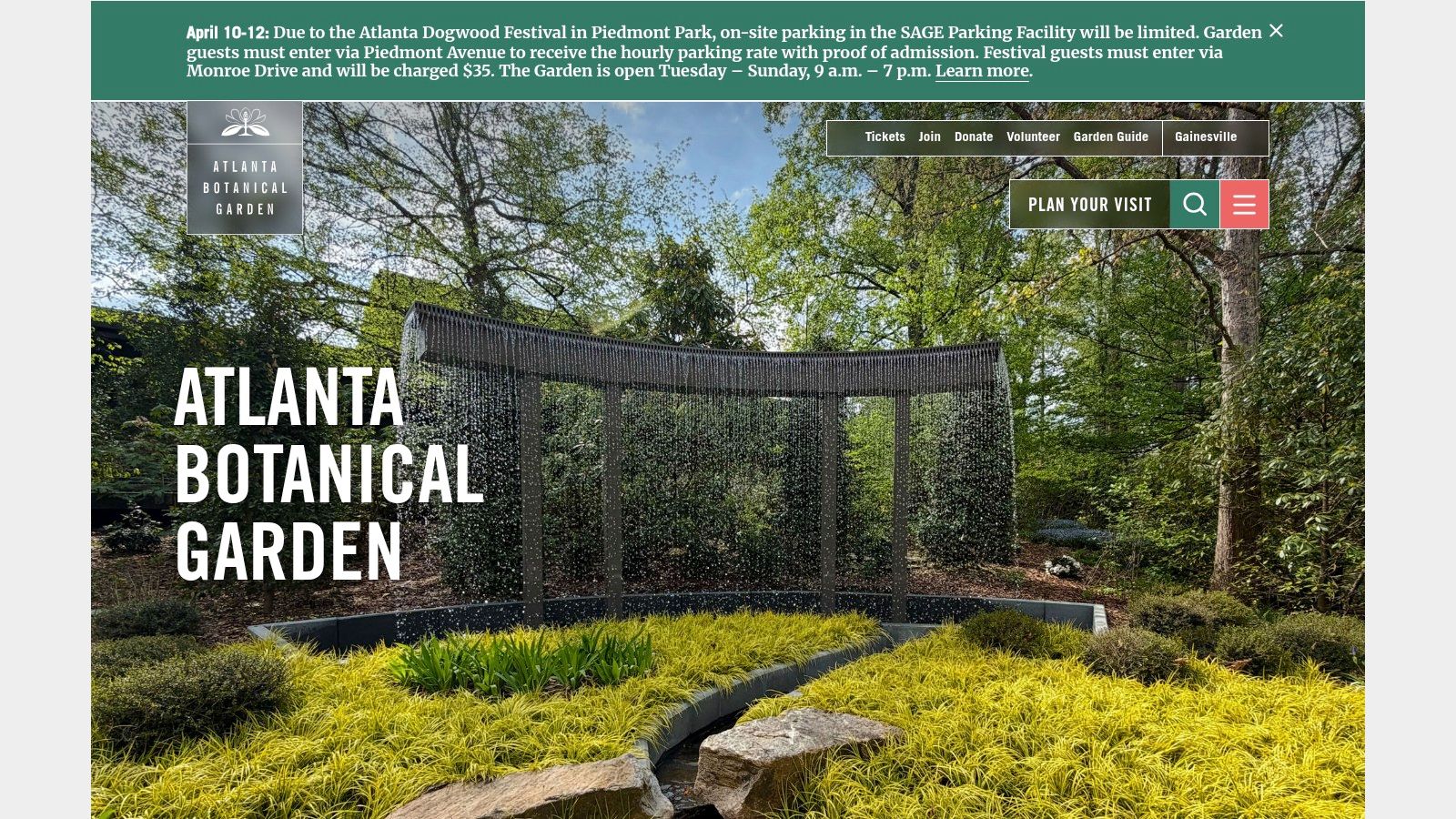
Late morning in Midtown is a good time for this stop. The sidewalks are active, Piedmont Park is filling up, and the Atlanta Botanical Garden gives you a quieter way to be in the middle of the city without spending the day indoors.
Its location beside Piedmont Park matters because it creates a full, low-stress outing. You can spend a few hours in carefully maintained collections, then shift into the park for a longer walk or a break under the trees. Piedmont Park Conservancy’s park guide is useful if you want to plan that pairing well, especially around entrances, parking, and nearby amenities.
What makes the garden stand out is range. Families usually get good value from the Children’s Garden. Plant-focused visitors can spend real time in the Fuqua Conservatory and Fuqua Orchid Center. Travelers who need a calmer afternoon get that too, especially if they visit early and avoid treating the garden like a rushed add-on between other reservations.
Season matters here. Spring color draws the biggest interest, but summer canopy cover, fall programming, and indoor collections keep it rewarding outside peak bloom weeks. The Atlanta BeltLine trail overview also helps explain why this part of the city feels so connected. The garden, Piedmont Park, and nearby walking routes fit naturally into the greener side of Atlanta.
A practical note. Seasonal light shows and special events can be excellent, but they change the pace. Go on those nights if you want atmosphere and photos. Choose a standard daytime visit if you want space to slow down, notice the horticulture, and keep the experience lighter on crowds and energy use.
A few planning points help:
- Best fit: Couples, plant lovers, repeat visitors, and anyone building a Midtown day on foot.
- Main drawback: Timed entry, weather swings, and event crowds can affect how relaxed the visit feels.
- Good planning move: Pair the garden with Piedmont Park and one nearby stop, not a packed cross-town schedule.
This is also an easy place to practice responsible tourism. Stay on paths, respect quiet spaces, carry a reusable water bottle if allowed, and support nearby local businesses instead of treating the area like a pass-through. If you are also clearing out a home before guests arrive or using a weekend to reset your schedule, Sandy Springs cleanup help can free up time for the kind of day Atlanta does especially well: walking, lingering, and taking better care of your corner of the city.
The Botanical Garden earns its spot because it offers relief from the usual pace without feeling disconnected from Atlanta itself. It is one of the city’s better reminders that good travel is not only about seeing more. It is also about moving through a place carefully.
3. Martin Luther King, Jr. National Historical Park

You step out into Sweet Auburn, the street noise drops a notch, and the trip changes pace. Martin Luther King, Jr. National Historical Park works best when you treat it as a neighborhood experience, not a quick stop between bigger-ticket attractions.
That difference matters. The park ties together places connected to Dr. King’s life, faith, and work, including Ebenezer Baptist Church, the Visitor Center, and the surrounding historic blocks. The National Park Service overview of the site makes clear why this area carries such weight within the history of the Civil Rights Movement. In practical terms, it gives visitors something Atlanta does especially well. History that still feels grounded in place.
Why this visit has more depth than a standard sightseeing stop
The strongest reason to come is context. You are not looking at civil rights history from a distance. You are walking through the community that shaped Dr. King and helped shape the movement itself.
That is why I usually recommend giving this park protected time on your schedule. Free admission and ranger programming make it accessible, but its primary value is slower attention. Read the exhibits. Pause in the reflective spaces. Leave room for questions if you are visiting with kids or teens.
A rushed visit can flatten the experience.
Practical expectations
The site is manageable on foot, but planning still helps.
- Best fit: Visitors who want substance, first-time Atlanta travelers, families with older children, and anyone building a meaningful day around local history.
- Main drawback: Some areas have timed entry, temporary closures, or preservation-related access changes, so check same-day details before you go.
- Good planning move: Pair it with lunch or coffee nearby and keep the rest of the day light instead of stacking another emotionally heavy museum right after it.
For suburban visitors trying to clear errands before a city day, Roswell cleanup support before an Atlanta outing can help free up a weekend that would otherwise disappear into home or move-related clutter.
This is also one of the clearest places in Atlanta to practice responsible tourism. Keep your voice down in reflective areas. Ask before assuming every space is appropriate for posed photos. Spend money with neighborhood businesses if you stay in Sweet Auburn for a meal or coffee. If you are decluttering at home before hosting guests or planning a fuller Atlanta weekend, the same mindset applies. Take care of your own space, then take care with the city’s shared spaces too.
If your list needs one stop that explains Atlanta instead of just entertaining you, choose this one.
4. National Center for Civil and Human Rights

The National Center for Civil and Human Rights works best when you’re ready for a serious museum visit, not just another air-conditioned stop downtown. It’s immersive, contemporary, and often emotionally demanding in the right ways.
Because it sits in the Centennial Olympic Park district, people sometimes slot it in casually beside lighter attractions. That can be a mistake. It deserves focused time.
What it does better than many museums
This center brings civil rights history and global human rights into the same conversation. The interactive format helps, especially for visitors who don’t connect as well with static exhibit design. If you’re choosing between this and a more conventional museum experience, pick this one when you want something that pushes past display cases and labels.
Its location is a major advantage. You can build a downtown day around it with the aquarium and nearby attractions. Atlanta also continues to benefit from tourism strength at an international level. In 2023, the city ranked 12th nationally for international tourism with 765,000 overseas visitors annually. That broad visitor base helps explain why the central attraction zone stays active and why timed-entry planning pays off.
The honest trade-offs
Expectations matter most here.
- Strongest advantage: The content is widely respected and the location is easy to combine with other major stops.
- Main caution: Some exhibits can be emotionally intense for younger children or for anyone trying to keep the day light.
- Smart booking move: Use timed-entry options and plan ahead if you want a quieter experience.
If you’re organizing a city day while also juggling office transitions, warehouse cleanouts, or property turnover outside Atlanta’s core, Roswell-area solutions can help keep those responsibilities from spilling into your downtime.
One practical note for thoughtful visitors. Museums focused on rights and justice shouldn’t end at the exit. Atlanta gives you a good chance to connect the visit to real local care. Donate to neighborhood organizations, support nearby businesses, and avoid adding waste to already busy public spaces. Carry your bottle, sort recyclables where provided, and leave the district cleaner than you found it.
The Center isn’t the easiest attraction on this list. It may be the most important.
5. High Museum of Art

A good Atlanta itinerary needs one stop that slows the pace without draining the day. The High Museum of Art does that well. It gives you a focused indoor experience in Midtown, with enough variety to suit visitors who want serious art, a calmer afternoon, or a cultural stop between heavier historic sites and more social outdoor plans.
The building itself is part of the draw. The museum’s own overview describes a permanent collection of more than 20,000 works of art, so wandering works fine even if you arrive without a strict plan. Some visitors head straight for a special exhibition. Others do better here by choosing one wing, taking their time, and leaving room for the rest of the neighborhood.
Who gets the most from the High
The High works especially well for mixed-interest groups, which is harder to pull off than travel guides often admit. One person can spend real time with American art, photography, or design while someone else enjoys the architecture, a shorter visit, or a museum cafe break. Families usually get more out of it when they check the event calendar first instead of treating it like a passive walk-through.
Repeat visits also make sense here. Rotating exhibitions, public programs, and seasonal events give locals a reason to come back, and visitors who care about responsible tourism will appreciate that museum spending supports an institution tied to Atlanta’s cultural life rather than a disposable attraction model.
Practical strengths and trade-offs
The High is easy to fit into a Midtown day, but a little planning helps.
- Best reason to go: Strong collection, thoughtful exhibitions, and a setting that feels calm without being stuffy.
- Main trade-off: Special exhibitions can add cost or require timed tickets, so last-minute planning is less reliable on busy weekends.
- Useful tip: Pair the museum with nearby walking stops or lunch, and avoid moving your car multiple times.
For readers coming in from the north side while handling move-outs, office clear-outs, or donation runs before a city day, Alpharetta cleanup support can help clear the to-do list first.
The eco-friendly angle here is real. A museum visit usually creates less transit churn and less impulse spending waste than bouncing across the metro in search of entertainment. Bring a reusable bottle if allowed, skip excess packaging from takeout, and if your trip includes decluttering at home or before a move, consider donating usable items to local organizations before heading into town. Atlanta feels better when visitors and residents both treat upkeep as part of the experience.
For a list of things to do in the city of atlanta that reflects the city’s creative side and its civic pride, the High earns its place.
6. Atlanta BeltLine Eastside Trail
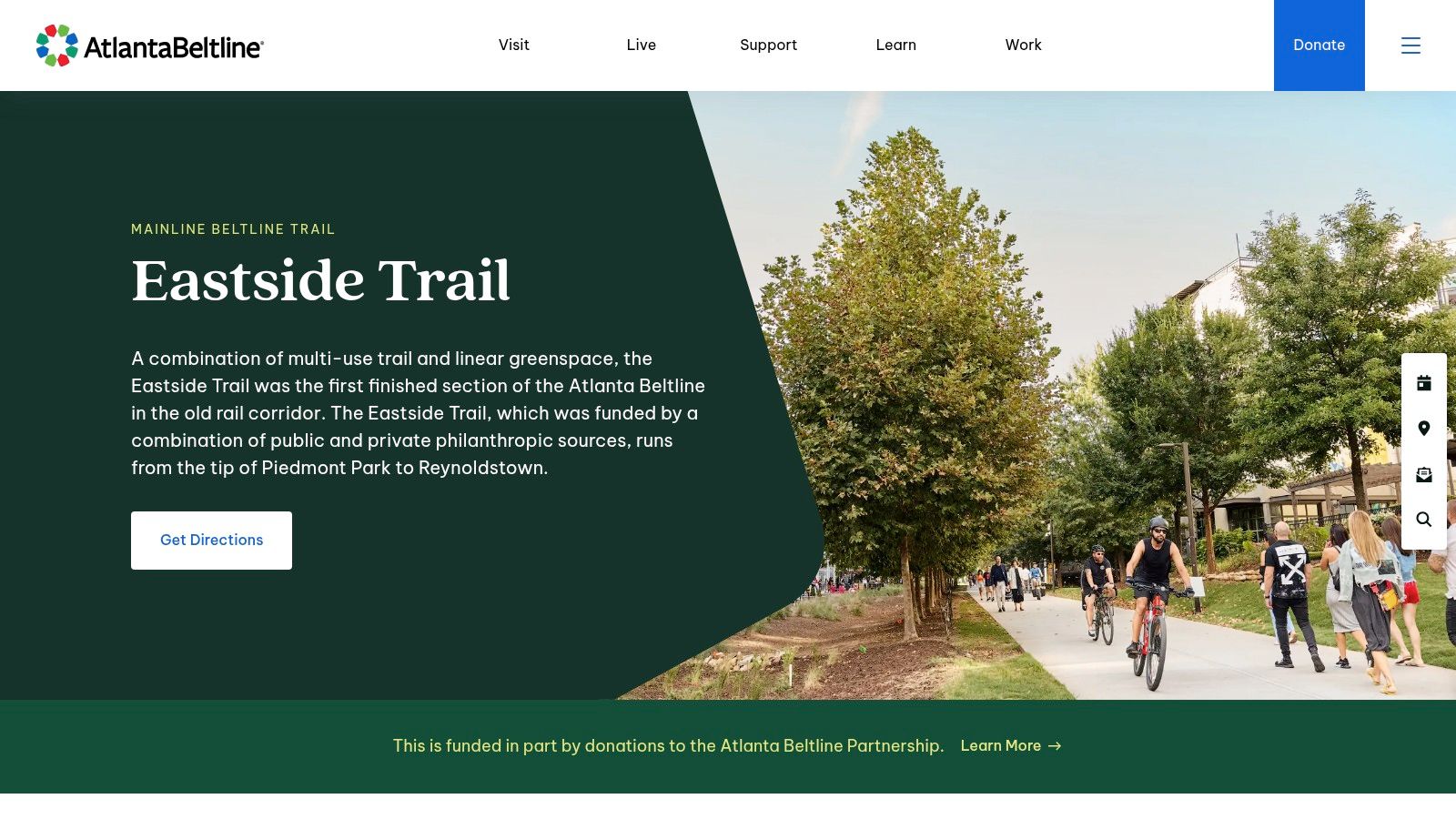
Start here if you want a version of Atlanta that feels active, local, and unscripted. The Atlanta BeltLine Eastside Trail works best for travelers who would rather move through neighborhoods than spend the whole day inside one attraction. It is easy to shape around your pace. Some people treat it as a morning walk with coffee. Others build a half-day around public art, park stops, and food.
The larger BeltLine project includes 22 miles of mainline corridor, according to the Atlanta BeltLine overview. On the Eastside Trail, that bigger plan becomes practical. You can walk between green space, murals, patios, and major gathering spots such as Ponce City Market and Krog Street Market without constantly getting back in the car.
That flexibility is the main reason locals keep returning.
A good route starts near Piedmont Park or Historic Fourth Ward Park and leaves room for detours. The trail shows daily Atlanta better than a polished visitor brochure can. You see runners, families, commuters, street art, and neighborhood businesses all using the same public space. For visitors trying to understand the city, not just check off attractions, that matters.
There are trade-offs. Popular stretches get crowded, especially on mild weekends. Bikes, scooters, and pedestrians share space, so staying alert matters. Summer afternoons can feel draining where shade is limited, and parking near the busiest access points can test your patience.
Accessibility also deserves a plainspoken note. Conditions vary by access point and segment, so visitors using wheelchairs, strollers, or other mobility aids should check current trail details before choosing where to start. That extra planning usually leads to a much better experience than assuming every stretch will feel the same.
- Best for: Flexible half-days, casual social plans, and visitors who want to experience Atlanta in motion.
- Main trade-off: Crowds, heat, and uneven conditions can make the busiest times less relaxing.
- Useful tip: Pick a start point, an end point, and one or two stops that matter most before you go.
The BeltLine also fits this guide’s broader point about community-minded travel. Spend money with local businesses instead of treating the trail like a backdrop for quick photos. Carry a refillable bottle, stay on marked paths, and use trash and recycling bins so the space stays usable for the people who live nearby. If you are in town during a seasonal market or neighborhood event, go with a little patience and a little humility. Public places work better when visitors act like temporary neighbors.
For readers building a fuller list of things to do in the city of atlanta, the Eastside Trail earns its spot because it connects recreation, local business, and civic life in one outing. The BeltLine shows how people use the city.
7. Zoo Atlanta
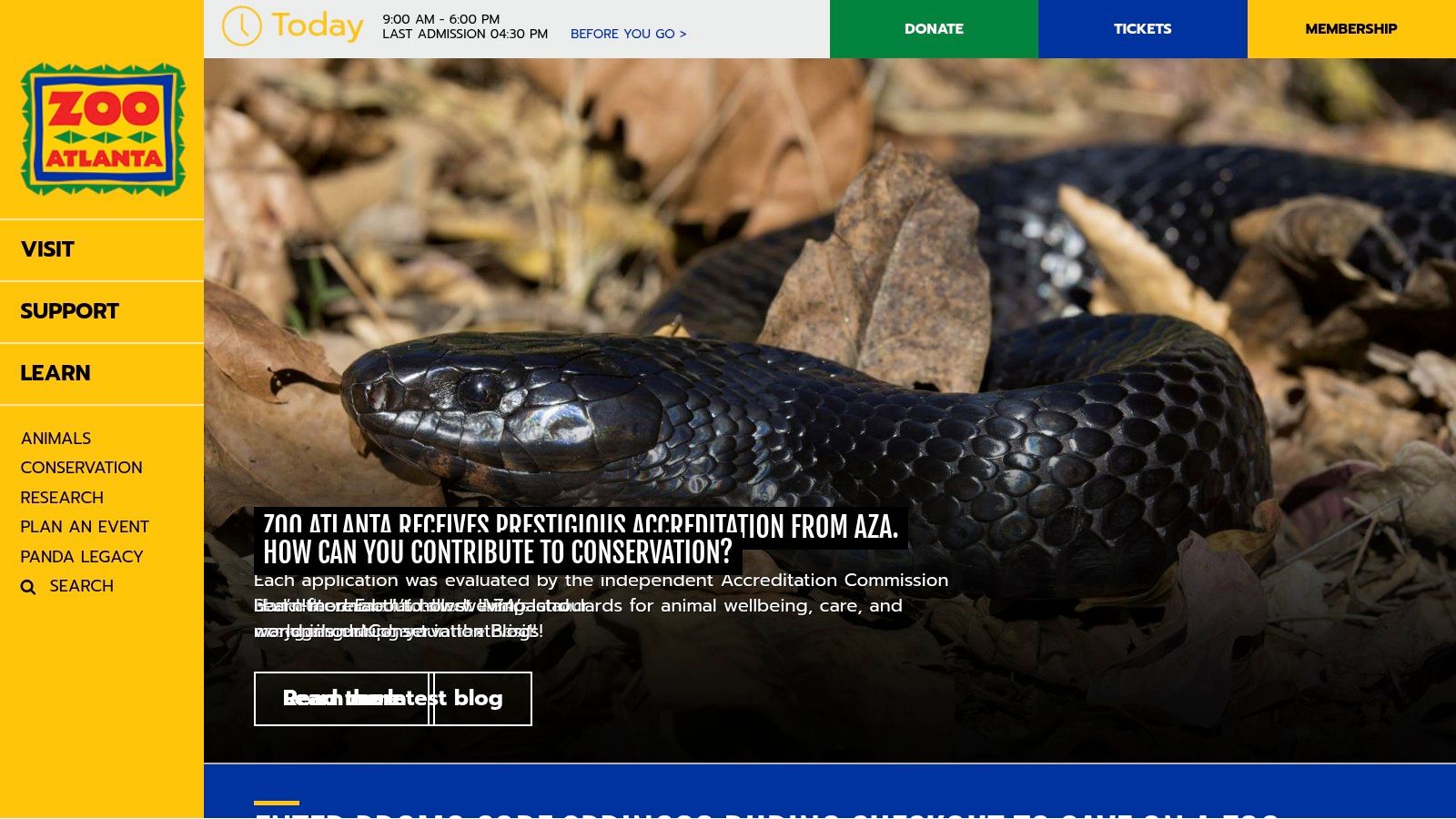
A good Zoo Atlanta day usually starts with a simple choice. Arrive early for cooler weather and more active animals, or accept a busier, warmer visit in exchange for a slower morning elsewhere. That trade-off matters here.
Zoo Atlanta remains one of the city’s strongest picks for families, but I also recommend it to adults who want a structured outing in Grant Park without the heavy planning some Atlanta attractions require. The setting helps. You get a defined attraction, shaded walking in parts of the campus, and a neighborhood around it that supports a fuller day instead of a rushed stop.
Where the zoo delivers
The zoo’s strongest draw is the combination of well-known species and a manageable footprint. The gorillas pull a lot of attention for good reason, and the reptile collection gives the visit more range than a quick circuit of headline exhibits. For travelers with kids, the educational side adds real value. For adults, seasonal evening programs can make the zoo feel like a different experience entirely.
Grant Park improves the outing too. Pairing the zoo with time in the neighborhood, whether that means a meal, a walk, or a relaxed hour outside the gates, makes the day feel rooted in Atlanta rather than boxed into a single ticketed stop.
That community context matters. Big attractions bring energy and spending into surrounding areas, but they also put pressure on shared spaces. Visitors who park thoughtfully, respect residential streets, and spend with nearby businesses tend to leave a better footprint than visitors who treat the area like an event lot.
Planning notes that save headaches
Buying ahead usually saves money, since Zoo Atlanta uses date-based pricing. Morning entry is the safer choice if you want better animal visibility and less congestion. Midday heat can slow both people and animals, especially in warmer months.
Parking is the main friction point on busy weekends and during special events. If your group is traveling with young kids or anyone who tires easily, build in extra time from the car to the entrance instead of assuming it will be quick.
- Best for: Families, animal lovers, and visitors who want a half-day attraction with a clear plan.
- Main trade-off: Peak times bring tighter crowds, warmer walks, and fewer calm viewing moments.
- Useful tip: Book early, arrive early, and keep the rest of the day light rather than stacking too much around the visit.
Zoo Atlanta also fits the broader idea behind this guide. Enjoying the city and caring for it should go together. Bring a refillable bottle, skip excess single-use items, and clean up picnic or snack waste before leaving the park area.
If your visit is part of a birthday outing, school meetup, or family gathering, take five extra minutes afterward to sort what can be reused, recycled, or donated. Atlanta stays more welcoming when visitors help reduce clutter instead of adding to it.
Top 7 Atlanta Attractions Comparison
| Attraction | Complexity to plan 🔄 | Cost & resources ⚡ | Visitor experience ⭐ | Ideal use cases 💡 | Key advantages 📊 |
|---|---|---|---|---|---|
| Georgia Aquarium | Moderate: timed shows and preferred slots can sell out; advance purchase recommended | Paid; tiered pricing, Aqua Pass options, CityPASS bundles; parking costs possible | ⭐⭐⭐⭐: large-scale marine displays (whale sharks, manta rays) | Family spectacle, marine-focused visits, bundled attraction days | Massive Ocean Voyager gallery; flexible ticket bundles and repeat-visit pass |
| Atlanta Botanical Garden | Low–Moderate: seasonal exhibits may require advance booking; FLEX option available | Paid; standard admission with event surcharges at times | ⭐⭐⭐⭐: strong indoor collections and seasonal displays | Plant enthusiasts, family visits, seasonal light/orchid exhibitions | Year‑round indoor collections, children’s garden, skyline views |
| Martin Luther King, Jr. National Historical Park | Low: walkable sites; ranger‑led programs on set schedules and some limited-capacity tours | Free core activities; some programs/tours may have limits | ⭐⭐⭐⭐⭐: high educational and cultural impact | Educational groups, history-focused visits, civic reflection | Deep historical significance, free ranger programs, walkable district |
| National Center for Civil and Human Rights | Moderate: timed‑entry recommended; rotating exhibits may require planning | Paid; Plan & Save timed tickets, CityPASS compatibility | ⭐⭐⭐⭐: immersive, emotionally powerful exhibits | Educational visits, museum-goers, civic and human-rights study | Interactive curation, strong impact, central Centennial Park location |
| High Museum of Art | Moderate: special exhibitions often need timed tickets; memberships available | Paid; Museum Pass and occasional free days; on‑site parking options | ⭐⭐⭐⭐: broad permanent collection and major traveling shows | Art enthusiasts, event attendees, family program days | Extensive collection, active events calendar, convenient parking info |
| Atlanta BeltLine – Eastside Trail | Low: free, self-guided access; be mindful of crowds and mixed traffic | Free; optional paid guided tours and nearby retail/food costs | ⭐⭐⭐⭐: outdoor trail with public art, parks, and neighborhood access | Walking, cycling, dining/shopping stops, casual outdoor recreation | Free multi‑use corridor linking parks, murals, and major destinations |
| Zoo Atlanta | Moderate: dynamic pricing and seasonal after‑hours; plan ahead for events/parking | Paid; early‑purchase discounts, community access programs, CityPASS eligible | ⭐⭐⭐⭐: strong animal collections (gorillas, reptiles) and education programs | Family outings, school groups, seasonal events and special programming | Notable gorilla collection, extensive education offerings, dynamic pricing rewards early booking |
Embrace the Spirit of Atlanta
You start the morning downtown with timed tickets in hand, then a summer storm rolls in, a festival crowds your backup route, and lunch takes longer than expected. That is a normal Atlanta day. The city rewards flexible plans far more than packed itineraries.
The strongest visits usually pair one or two anchor attractions with a nearby neighborhood, park, or trail. Georgia Aquarium works well as a downtown centerpiece. The Atlanta Botanical Garden gives you a quieter counterpoint when the city feels loud. The Martin Luther King, Jr. National Historical Park and the National Center for Civil and Human Rights add needed context, not just another stop on a sightseeing list. The High Museum brings in Atlanta’s arts conversation. The BeltLine shows how people use the city. Zoo Atlanta is an easy family pick, but it also holds up for adults who want a longer day in Grant Park.
Planning by district saves time and lowers friction. Atlanta is active year-round, and conventions, sports weekends, concerts, and seasonal events can change traffic patterns fast. As noted earlier, the city maintains a steady flow of visitors, so a route that looks simple on a map can turn into a slow cross-town haul. Group your stops, check event calendars before you go, and leave margin between reservations.
That same practical mindset should include community care.
Atlanta’s best experiences sit inside real neighborhoods where people live, work, commute, and gather. Respect goes beyond buying a ticket. Use refillable water bottles when you can. Sort trash and recycling correctly. Keep sidewalks, trail edges, and green spaces clean. Spend some of your budget at local cafes, markets, and small shops instead of staying inside the same national chains around major venues.
There is also a less obvious part of responsible city life. Big event weekends, apartment moves, office cleanouts, and seasonal home resets all shape how a city feels at street level. Overflowing curbs, illegal dumping, and careless disposal put pressure on shared spaces. Visitors may not cause all of that, but anyone spending time in Atlanta can still choose better habits and support services that keep usable materials out of the landfill.
That is why the city can feel especially rewarding when exploration and upkeep go together. A museum day can end with a donation drop-off. A weekend spent revisiting a favorite neighborhood can also be the right time to clear out a garage, refresh a workspace, or finally deal with items that have been sitting unused for months. Discovery and stewardship are connected more than people admit.
Atlanta also shines in the smaller moments. A shaded bench after a long exhibit. A walk between destinations that shows you the block instead of just the headline attraction. Time on the BeltLine when you are not rushing to the next reservation. Those are often the parts of a trip that stay with people.
If you are here for the first time, use this guide as a framework and adjust it to the season, the weather, and your energy level. If you live here, revisit the places you have dismissed as tourist stops. Locals help keep these institutions alive too.
The best things to do in the city of atlanta are not only about collecting famous sights. They are about seeing the city clearly, enjoying it responsibly, and leaving it in better shape than you found it.
If your Atlanta plans involve more than sightseeing, Fulton Junk Removal can help clear the practical side of city life. The team handles home, office, retail, warehouse, and event cleanouts with fast local service, and through Beyond Surplus they recycle electronics, metals, and other materials responsibly instead of treating everything like landfill waste. For property managers, facilities teams, event organizers, and households trying to reclaim space without creating more waste, that bundled junk removal and recycling approach makes the job simpler and more accountable.
