
Best Outdoor Activities in Atlanta GA
Atlanta gives you a rare advantage. You can leave a meeting, close a laptop, and be on a trail, by the water, or in a major park not long after. That’s a big reason people love living here. The problem is that outdoor plans compete with clutter, delayed errands, broken gear in the garage, and spaces that never quite get reset.
That friction matters more than people admit. When your office storage room is packed with unused event supplies, or your garage is full of old bikes, dead electronics, and patio furniture you meant to deal with months ago, weekend plans get harder to pull off. You waste time looking for what still works and stepping around what doesn’t.
Atlanta’s outdoor culture makes a cleaner approach worth it. The city’s major parks, trails, and recreation areas reflect the same values many households and businesses are trying to build at home and at work: less waste, better use of space, and more intentional living. If you’re planning your next outing, it also helps to think about what needs to leave your space first.
This guide covers the Best Outdoor Activities in Atlanta GA, with practical advice on where each option works best, who it suits, and what trade-offs to expect. If you want more trip inspiration beyond the city, this guide to best state parks for unforgettable adventures is also worth saving.
1. Piedmont Park Trail Walking and Hiking
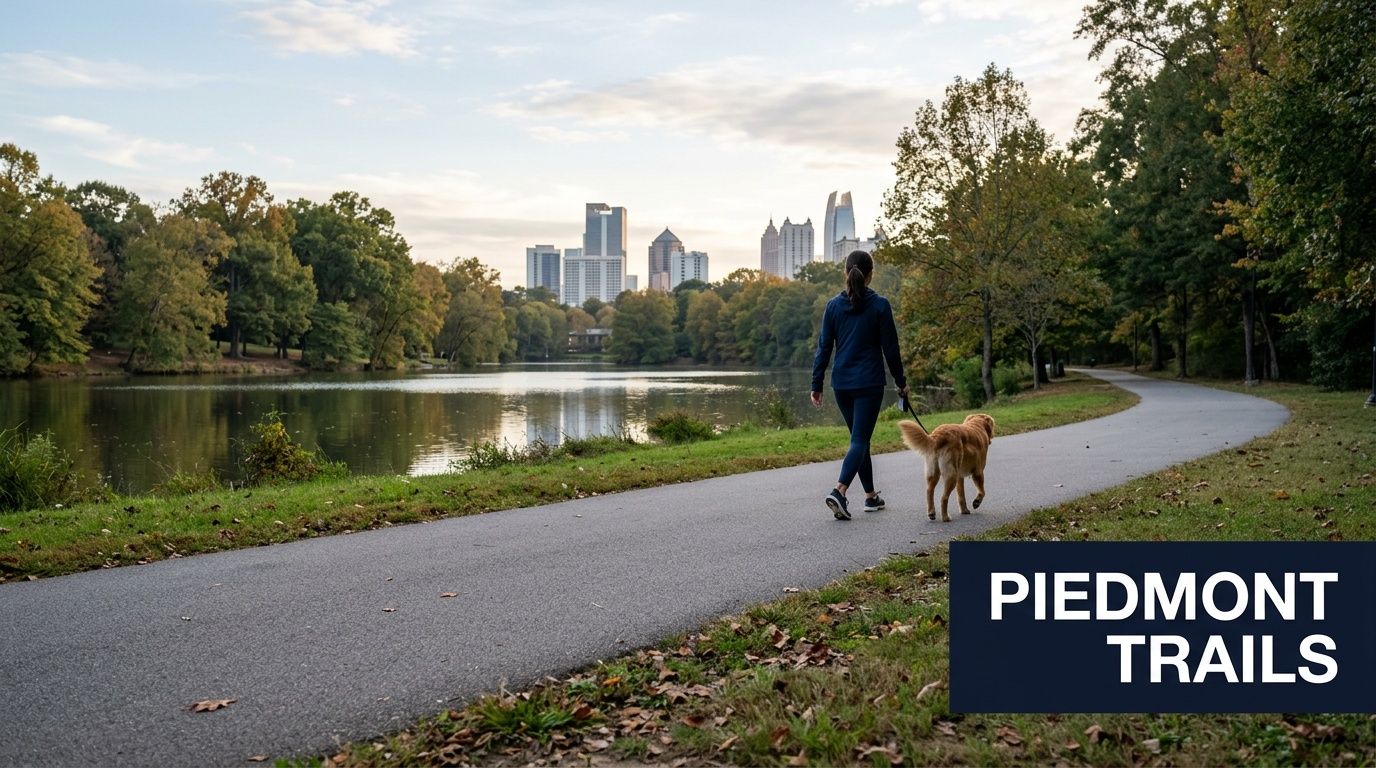
A workday ends, the weather holds, and you want an outdoor option that does not require an hour of prep or a trunk full of gear. Piedmont Park fits that window better than almost anywhere in Atlanta. You can walk a short paved loop, build in extra mileage, or use it as a low-impact reset after a long week.
Its real strength is flexibility. Solo walkers, parents with strollers, runners, and office groups can all use the same park without fighting the kind of logistics that come with more remote trail systems. If your goal is consistency, not a once-a-month big outing, Piedmont is one of the most practical places to start.
What works best here
Use the paved paths first, especially if you are getting back into a routine. That choice saves your joints, keeps the outing simple, and makes it easier to return again later in the week. Piedmont rewards repeat visits more than big one-off efforts.
It also helps mixed-skill groups. One person can set a steady pace, another can stop with kids, and everyone can still finish feeling like the plan worked.
A few habits make the park better:
- Go early: Parking is usually easier, the paths feel less crowded, and summer heat is less of a factor.
- Pack lightly: Water, comfortable shoes, and a basic route are enough for most visits.
- Set a repeatable goal: A 30-minute walk three times a week usually does more than an occasional long outing.
- Match the day to the park: Use Piedmont for recovery walks, casual meetups, and habit-building. Save harder terrain for days when you want a bigger training challenge.
Piedmont also earns its place because it supports more than exercise. It gives Atlanta residents a reliable outdoor routine close to home, and that matters. People use parks more often when getting out the door feels easy.
A cluttered garage or packed mudroom can break that routine. Old folding chairs, broken scooters, retired workout gear, and bins of unused event supplies take up the space where walking shoes, leashes, and water bottles should be easy to grab. Clearing that friction with help from an Atlanta junk removal service area often makes outdoor plans more realistic than buying another piece of gear.
That is the trade-off to keep in mind. You do not need more equipment to enjoy Piedmont Park. You need enough open space at home to find what you already own, store it properly, and head out without turning a simple walk into a project.
2. Atlanta BeltLine Trail Biking and Skating
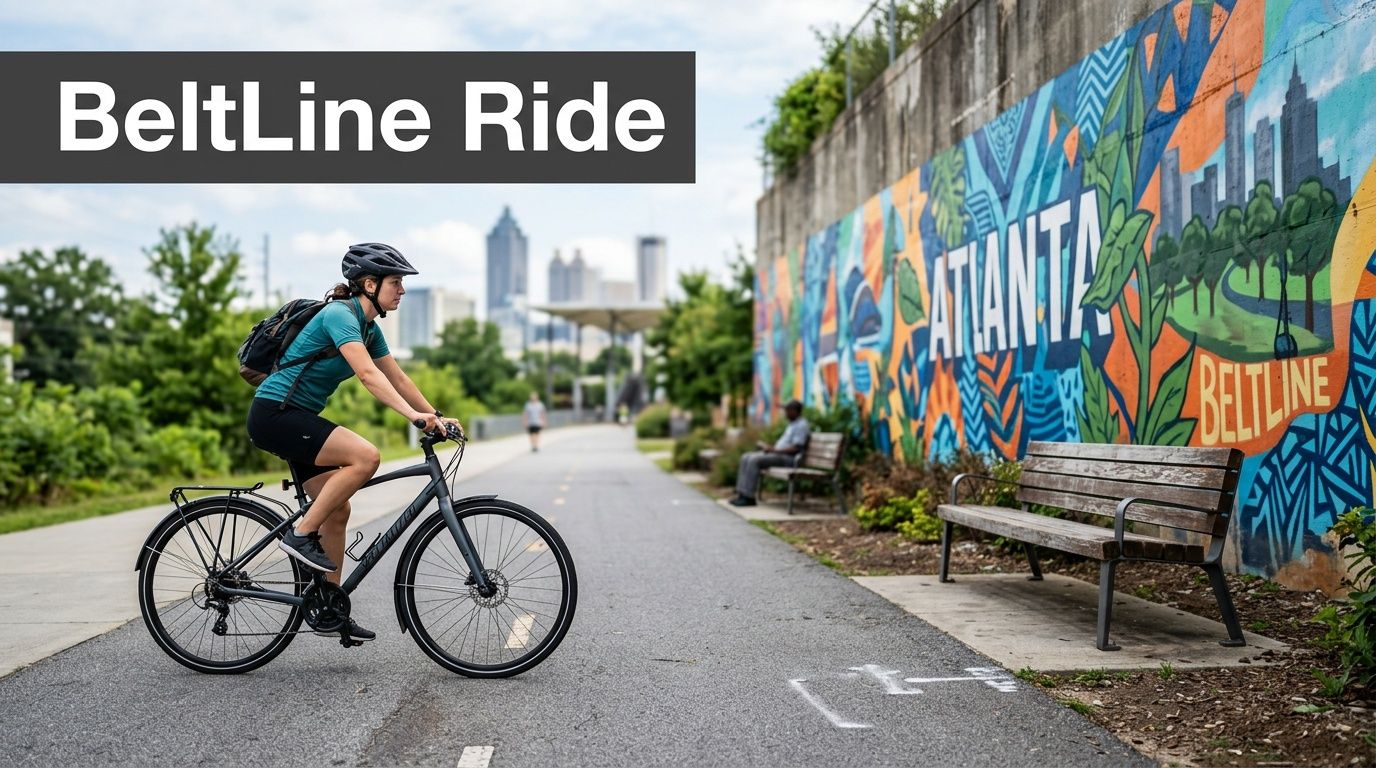
A Saturday on the BeltLine can go two ways. You clip in for an easy ride, find a comfortable rhythm, stop for coffee, and make a morning of it. Or you show up at peak time expecting a fast workout and spend half the trip braking for crowds, strollers, and group walkers.
That trade-off defines the BeltLine. It works best for casual biking, skating, and short social outings where variety matters more than speed. Riders who want steady intervals or long uninterrupted stretches usually do better on quieter regional trails.
The practical advantage is access. The paved path is approachable for newer riders and for skaters who want predictable surfaces instead of rough streets or steep descents. You can keep the outing short, add a food stop, or turn around early without feeling like the day was wasted.
A few choices make the experience better:
- Start with one segment: Pick a section with easy access and learn the traffic patterns before planning a longer route.
- Go outside peak social hours: Early mornings and quieter weekday windows usually give cyclists and skaters more room.
- Bring only what you will use: Water, ID, phone, and a basic repair item cover most casual trips.
- Match gear to the route: Recreational bikes, cruisers, and casual skates fit the BeltLine better than setups built for speed training.
Renting first is often the smarter move. Atlanta residents regularly buy bikes, skates, helmets, racks, and storage gear before they know whether the BeltLine will become a weekly habit. If the answer is no, those items end up stacked in garages, apartment corners, and storage rooms where they take space from the gear you use.
I see the same pattern with residential and shared-property storage. One unused bike becomes three. A broken scooter stays "for parts." Old helmets, bent locks, and worn-out event supplies fill shelves that should hold ready-to-use gear. Clearing that backlog with junk removal help in Sandy Springs makes it easier to keep one reliable setup accessible and get out the door without friction.
The BeltLine supports an organized outdoor routine because it rewards simplicity. Keep one bike or one pair of skates in working order, store them where you can reach them fast, and dispose of the rest responsibly. That gives you more room at home, fewer excuses, and more time to use Atlanta’s most flexible urban trail well.
3. Kayaking and Paddle Sports on the Chattahoochee River
A Saturday on the Chattahoochee can reset a week fast. You trade traffic noise for current, shade, and the kind of attention that only water demands. For Atlanta residents who want outdoor time that feels different from trails and parks, paddling is one of the strongest options close to the city.
It also rewards preparation and punishes cluttered thinking. Bring too much, and your boat feels unstable. Bring the wrong items, and small mistakes turn into an uncomfortable trip. I recommend starting with a guided outing or a beginner-friendly rental route so you can focus on basic strokes, river awareness, and comfort on the water before you spend money on equipment.
The practical rule is simple.
Practical rule: Don’t buy a kayak before you’ve rented one enough times to know where you’ll store it, transport it, and clean it.
That decision saves a lot of waste. Kayaks, roof racks, paddles, dry bags, old life jackets, broken coolers, and cracked storage bins take up a surprising amount of room once the first burst of enthusiasm wears off. The same pattern shows up after company outings and community events, where leftover tents, folding tables, signage, and damaged river gear sit for months because no one wants to sort it.
A better system is to rent first, keep one dependable kit if you stick with the sport, and clear out the rest before it becomes permanent garage inventory. Homeowners and property managers in the south metro area can handle that backlog with South Fulton junk removal support for bulky outdoor gear and seasonal cleanup.
A few habits make Chattahoochee paddling go more smoothly:
- Choose the route for your skill level: Calm, shorter rental stretches are better for learning than longer trips that leave beginners tired and sloppy.
- Pack light and keep items secured: Water, sun protection, a dry bag, and a properly fitted life jacket cover the basics for most casual outings.
- Dress for getting wet: Quick-dry clothing and secure footwear work better than cotton and loose sandals.
- Check logistics before you leave: Know your launch point, pickup plan, weather window, and how long you want to be on the water.
The Chattahoochee fits the larger goal of organized outdoor living. You do not need a garage full of gear to enjoy it. You need a realistic plan, a manageable amount of equipment, and a willingness to dispose of unused items responsibly so your space supports the activities you do.
4. Grant Park Historic Home and Garden Tours
Not every outdoor day needs to be athletic. Grant Park works when you want fresh air, architecture, shade, and a slower rhythm. Walking historic streets and garden-lined blocks gives you a different side of Atlanta than the big trail-and-summit conversation usually does.
This is a strong option for couples, visiting family, photographers, and anyone who likes outdoor time with visual interest built in.
Why this one is underrated
The appeal is in the details. Front porches, mature trees, old homes, well-tended yards, and a neighborhood feel make the walk itself the destination. You’re not rushing to a summit or trying to cover distance.
That lower-intensity format also makes it practical for mixed ages and varying fitness levels. If your group includes someone who doesn’t want a strenuous outing, Grant Park solves that problem well.
A few practical habits make the walk better:
- Visit in mild weather: Spring and fall usually make garden-focused walks more enjoyable.
- Wear normal walking shoes: You don’t need trail gear for this outing.
- Leave room for detours: The neighborhood rewards wandering more than strict route-following.
For homeowners, Grant Park offers a useful reminder. Attractive spaces don’t happen by accident. They stay functional because someone edits them. The same principle applies indoors. Garages, patios, and side yards become dead storage fast when broken planters, scrap wood, old chairs, and unused décor pile up.
That’s one reason cleanup services are often useful in residential areas and nearby communities such as South Fulton, especially before listing a property, hosting guests, or resetting outdoor living areas.
5. Stone Mountain Park Hiking and Summit Activities
A Stone Mountain day can go two very different ways. Start early, pack light, and choose one main activity, and the park feels manageable. Arrive late with a mixed group, extra gear, and no plan, and the outing turns into a lot of walking, waiting, and carrying.
That range is why Stone Mountain earns its place on this list. As Discover Atlanta notes, the park spans 3,200 acres and includes the well-known 1.3-mile Walk-Up Trail, along with enough additional attractions to fill a full day.
What to Consider
The main decision is simple. Pick the version of the park that fits your group.
If the goal is the summit, treat it like a real hike. Wear shoes with grip, carry water, and keep your load small because the exposed granite feels harder with every unnecessary item in your backpack. If your group wants the views without the climb, the Summit Skyride makes more sense and keeps the day accessible for older relatives, younger kids, or anyone who is not interested in a steep walk.
A few choices usually improve the visit:
- Arrive early for hiking: Parking, temperatures, and trail traffic are usually easier to manage.
- Split the day by interest level: Hikers, sightseers, and families with small children often do better with separate activity plans.
- Edit your gear before you leave home: Heavy coolers, duplicate bags, and backup equipment create work without adding much value.
Stone Mountain also works well for repeat use. That matters. The outdoor places you return to are the ones that justify owning gear, setting aside weekends, and building better habits around your time and space.
That last point shows up at home fast. Hiking packs, folding chairs, old picnic supplies, broken trekking poles, and outgrown family gear tend to collect in garages long after the trip is over. Before buying more storage bins, it often makes more sense to clear what is already dead weight. For larger cleanouts in the northern suburbs, an Alpharetta junk removal service for bulky outdoor gear and garage clutter can help free up room for equipment you will use.
For event planners and facilities teams, the same principle applies on a larger scale. Group outings leave behind tents, signage, folding tables, staging materials, and mixed debris. Quick removal keeps shared spaces usable and supports the kind of organized, low-waste routine that makes outdoor recreation easier to repeat.
6. Kayaking on Atlanta Lakes
Lakes give you a simpler paddle experience than many first-timers expect from a river. If current, shuttle logistics, and route planning sound like too much, a lake day often feels easier to manage.
That’s why lake paddling is a strong fit for families, casual groups, and people who want time on the water without committing to a more technical outing.
When lakes are the better call
Protected coves are usually the best place to start. They reduce stress, let you work on basic paddle control, and make the outing feel recreational instead of corrective.
The practical mistake people make here is overbuying. They purchase boats, roof racks, storage systems, dry boxes, and extras before they’ve established how often they’ll go.
Use this order instead:
- Rent first: Confirm that you enjoy the setup, transport, and cleanup involved.
- Choose a calm launch area: Busy open water can shake confidence early.
- Build skill before gear ownership: Experience should guide purchases.
This matters at home, too. Oversized recreation gear takes over garages fast. Old life jackets, cracked coolers, damaged paddles, and folding chairs with broken frames rarely leave on their own. For households and businesses north of the city, a junk removal service in Alpharetta can help clear large, awkward items before the next season starts.
For organizations that host lake outings, the cleanup side matters just as much. Event debris, temporary equipment, and bulky damaged items need a disposal plan that doesn’t send everything straight to the landfill.
7. Cycling and Mountain Biking on Regional Trail Systems
Mountain biking isn’t the same sport as cruising paved urban paths. It demands balance, braking control, line choice, and a willingness to get a little uncomfortable while you learn. That’s exactly why some people end up loving it.
If the BeltLine is social and forgiving, trail riding is more technical and more gear-sensitive. Your bike setup matters. Trail conditions matter. So does your willingness to turn around when a route is beyond your skill level.
Who should choose trail riding
This is best for riders who want progression. You’re not just trying to cover distance. You’re building handling skills and confidence over uneven terrain.
The biggest mistake beginners make is buying an expensive setup before they understand what kind of riding they enjoy. That’s especially true now that e-bike and trail-bike options can blur together. If you’re comparing categories, this guide on Best Ebike for Trail Riding helps frame the decision.
A better approach is simple:
- Start on beginner-friendly trails: Green routes teach more than surviving a trail that’s too hard.
- Ride with someone experienced: Good partners shorten the learning curve.
- Check conditions before leaving: Mud and poor traction can turn a solid plan into a frustrating one.
Trail riding also exposes a storage reality. Bikes, spare tires, floor pumps, racks, broken helmets, and old repair stands consume space quickly. For businesses, it’s similar with team wellness gear, event barriers, tents, and seasonal sports inventory. If that equipment isn’t organized, outdoor recreation becomes another source of clutter instead of relief from it.
8. Bird Watching and Wildlife Viewing
A quiet morning on the trail changes the pace of the whole week. Instead of chasing mileage or speed, bird watching asks for time, attention, and a willingness to notice what busy schedules usually push aside.
That makes it one of Atlanta’s most practical outdoor options. Families can do it without a long gear list. Photographers get a reason to slow down and study light. People who feel worn out by crowded parks and high-output activities often find this category easier to stick with because the barrier to entry stays low.
Arabia Mountain National Heritage Area fits that pattern well. The mix of open granite, wooded sections, and easier walking routes gives visitors a realistic chance to spend time outside without turning the day into a training session. Access matters here. If getting into nature feels complicated, wildlife viewing turns into something people admire in theory and skip in practice.
A few habits improve the experience right away:
- Bring binoculars before buying expensive camera gear: Better observation usually matters more than a bigger purchase.
- Go early or pick quieter windows: Wildlife is easier to spot when trail traffic drops.
- Keep expectations realistic: Some outings are active, some are still, and both count.
- Pack light: Water, decent shoes, sun protection, and a small bag are usually enough.
Patience is the whole point.
This is also one of the clearest links between outdoor recreation and a more organized life. Bird watching does not demand a garage full of specialized equipment, which makes it a good reset for households trying to stop buying gear for every new hobby. If old storage bins, broken camping chairs, unused sports equipment, or leftover yard clutter are getting in the way of simpler weekends outside, scheduling a Roswell junk removal service can free up space and make it easier to keep only what you use. Responsible disposal supports the same mindset as wildlife viewing itself. Pay attention, keep what serves a purpose, and leave less waste behind.
9. Rock Climbing and Outdoor Adventure Parks
Rock climbing attracts a certain kind of person. They like problem-solving, repetition, and the feeling of getting better at something measurable. If that sounds like you, climbing can become more than a one-off activity.
But outdoor climbing shouldn’t be your first exposure to the sport. The right path is usually indoor instruction, then supervised outdoor experience, then independent climbing only after your basics are solid.
What actually works for beginners
Stone Mountain and adventure-style climbing venues can be a good next step after gym time, but only if you respect the learning curve. Rope systems, partner checks, weather judgment, and route reading are not things to improvise.
The practical sequence looks like this:
- Start indoors: Learn movement, belaying, and safety systems in a controlled setting.
- Book guided outdoor sessions: Let experienced instructors manage route and anchor decisions.
- Buy gear slowly: Harnesses, shoes, chalk, and helmets should follow actual commitment.
This is one of the clearest examples of gear creep. Climbing equipment, crash pads, old gym bags, retired shoes, and damaged training items stack up fast. Households end up with a closet full of “maybe I’ll use that again” equipment. Commercial spaces do the same with event gear and fitness inventory.
For larger residential cleanouts or recreation-adjacent property resets, a Roswell junk removal service area can help remove bulky items before storage problems spread into other rooms.
10. Horseback Riding and Equestrian Activities
Horseback riding gives you something many Atlanta outdoor activities don’t. You’re not just moving through the environment. You’re working with an animal, following instruction, and learning how your posture and cues affect the ride.
That makes it memorable fast. It also means patience matters more than people expect.
Why riding is worth trying once
Guided trail rides and intro lessons are the right entry point. They lower the pressure and help you figure out whether you enjoy the experience enough to continue. For some people, one scenic ride is enough. Others want recurring lessons.
The trade-off is physical discomfort for beginners. Even a relaxed ride uses muscles you may not think about often, and a short lesson can leave people sore if they tense up the whole time.
A few habits help:
- Dress correctly: Closed-toe shoes, long pants, and a helmet are basic.
- Be honest about experience: Guides can only match horses well if you give them accurate information.
- Start with instruction, not ambition: Control and comfort matter more than trying to look advanced.
Horseback riding also reinforces an important theme from this whole list. Good outdoor experiences usually come from access, preparation, and restraint. You don’t need to buy everything up front. You need enough room in your schedule and your physical space to say yes when the right outing comes along.
Top 10 Atlanta Outdoor Activities Comparison
| Activity | 🔄 Implementation Complexity | ⚡ Resource Requirements | ⭐ Expected Outcomes | 📊 Ideal Use Cases | 💡 Key Advantages |
|---|---|---|---|---|---|
| Piedmont Park Trail Walking & Hiking | Low, easy trails and access | Low, walking gear, water | Moderate ⭐⭐, fitness & relaxation | Short walks, dog exercise, community events | Central location, well‑maintained paths, skyline views |
| Atlanta BeltLine Trail Biking & Skating | Medium, long multi‑use system, variable segments | Medium, bike/skates or rentals, route planning | High ⭐⭐⭐, connectivity and active commuting | Commuting, long rides, art/event exploration | Extensive connectivity, dedicated lanes, public art |
| Kayaking & Paddle Sports on Chattahoochee River | Medium, water skills & safety knowledge needed | Medium, rental/guide, PFDs, transport | High ⭐⭐⭐, full‑body exercise & nature immersion | Guided paddles, wildlife viewing, team builds | Varied difficulty, wildlife, protected corridor |
| Grant Park Historic Home & Garden Tours | Low, walking, mostly self‑guided | Low, comfortable shoes, map | Moderate ⭐⭐, cultural learning & photography | Architectural tours, educational visits, staging inspiration | Rich historic architecture, garden displays, seasonal events |
| Stone Mountain Park Hiking & Summit Activities | Medium, summit requires fitness & planning | Medium, water, proper footwear, time | High ⭐⭐⭐, scenic views, family recreation | Summit hikes, family outings, fitness training | Large park, varied activities (chairlift, shows), accessible |
| Kayaking on Atlanta Lakes (Lanier/Allatoona/W.F. George) | Low–Medium, calm water but travel required | Medium, rental, transport, parking fees | High ⭐⭐⭐, relaxing paddling & recreation | Family paddles, fishing, camping combos | Calm protected water, scenic coves, wide rental access |
| Clemson Experimental Forest Mountain Biking | Medium–High, technical single‑track skills | High, mountain bike, tools, drive time | High ⭐⭐⭐, skill progression & fitness | Technical training, group rides, skill clinics | Technical terrain, less crowded, educational forestry setting |
| Okefenokee NWR Bird Watching & Wildlife Viewing | High, remote, specialist gear & time | High, long drive, boat/canoe rental, guides | Very High ⭐⭐⭐⭐, exceptional wildlife encounters | Serious birding, photography, environmental education | Massive protected wetland, high species diversity |
| Rock Climbing & Outdoor Adventure | High, skill, safety training required | High, gear, instruction, possible travel | High ⭐⭐⭐, strength, skill, confidence building | Progressive training, guided outdoor climbs, team events | Full‑body workout, indoor/outdoor options, community |
| Horseback Riding & Equestrian Activities | Medium, guided rides easy; lessons require time | High, lesson fees, suitable clothing, travel | Moderate–High ⭐⭐⭐, therapeutic & skill development | Guided trail rides, lessons, therapeutic programs | Animal interaction, confidence building, scenic trail options |
From Clutter to Adventure Your Next Steps
Saturday at 8 a.m., the weather is right, the plan is simple, and the delay starts in the garage. You need the bike pump, the daypack, or the camp chairs, but they are buried behind a broken grill, dead electronics, and gear you stopped using two summers ago. Atlanta has plenty of places to get outside. Access at home is often a significant bottleneck.
That matters for households and for commercial properties. Offices, apartment communities, event teams, and retail spaces all accumulate outdoor furniture, staging materials, signage, old electronics, and seasonal equipment. If those items sit too long, storage stops working as storage and turns into a holding area for low-value clutter.
Start with the items that block use, not the sentimental ones that slow the project down.
- Old sports gear: Broken bikes, bent racks, cracked helmets, unused paddles, worn folding chairs
- Outdoor furniture: Rusted grills, damaged patio sets, umbrellas with failed frames
- Event leftovers: Tents, coolers, bins, signage, staging materials, and disposable supplies
- Electronics and mixed recyclables: Dead monitors, printers, cords, and obsolete office equipment
The practical goal is simple. Clear enough space to store the gear you use, find it quickly, and get out the door without a cleanup project first.
Disposal method matters too. Tossing everything into a landfill solves the space problem, but it is often the worst option for electronics, scrap metal, and reusable materials. Fulton Junk Removal’s partnership with Beyond Surplus gives Atlanta homeowners, property managers, and business operators a cleaner process. The team removes bulky items and separates materials that can be recycled or handled more responsibly downstream. For companies, that supports cleanup and sustainability documentation. For homeowners, it reduces the guilt that often keeps clutter in place.
I have seen the same pattern in garages, leasing offices, and back-of-house storage rooms. Once the obvious junk is gone, people use the space better almost immediately. Bikes get hung up instead of piled up. Paddles and folding chairs go in one zone. Seasonal items stop crowding out the gear for this weekend.
That time savings is real. A functional storage area makes short outings easier to say yes to, whether that means a quick BeltLine ride after work or a half-day paddle on the Chattahoochee.
If you want more adventure in Atlanta, treat cleanup as part of the plan. Remove what is broken, recycle what should not be dumped, and keep only the equipment that earns its space.
If you’re ready to clear out old gear, event debris, office junk, or bulky items before your next outing, Fulton Junk Removal can help. The team handles fast cleanouts for homes, businesses, and properties across metro Atlanta, with recycling and donation support through Beyond Surplus to reduce landfill waste and make responsible disposal easier.
