
ITAD Telecom Services Near Me: A 2026 Atlanta Guide
The network upgrade is done, but the old gear is still sitting there. A few switches are stacked in a server room corner. Retired handsets are boxed under a desk. Someone coiled patch cables into a bin and called it temporary. A decommissioned firewall is still on a shelf because nobody wanted to guess what was stored on it.
That backlog is where routine cleanup turns into risk. Retired telecom equipment isn't ordinary junk. It can hold configuration files, credentials, customer-related metadata, or internal network details. It also creates an environmental and compliance problem if it leaves your site without a documented process.
When buyers search for ITAD telecom services near me, they usually need more than recycling. They need a controlled way to remove equipment, account for every asset, destroy data correctly, and close the job with records that will satisfy IT, facilities, and compliance. They also need the work done without turning a live site into a disruption zone.
Your Guide to Managing Retired Telecom Equipment
A network refresh usually ends the same way on the ground. The new equipment is live, the cutover window is closed, and the retired gear is still in the room because nobody wants to remove a switch, firewall, or PBX component without knowing who owns it, what data may still sit on it, and how it will leave the building.
That is why retired telecom equipment should be treated as an operations project, not a cleanup errand.
IT Asset Disposition, or ITAD, is the process used to retire technology assets under control. In a telecom setting, that work starts well before anything is loaded onto a truck. The job includes asset identification, segregation of data-bearing devices, chain-of-custody controls, packaging, site access coordination, transportation, and documented downstream processing. Data destruction matters, but physical removal is part of the control structure, not a separate afterthought.
For facilities and IT leaders, the pressure usually shows up in three places:
- Security risk: Retired routers, servers, firewalls, and voice infrastructure can still hold configurations, credentials, call records, or internal network details.
- Space and labor costs: Old gear ties up closets, MDF and IDF rooms, staging areas, and warehouse space that operations teams need back.
- Audit and reporting requirements: Procurement, compliance, and sustainability teams need records showing what was redeployed, destroyed, recycled, or sent to downstream vendors.
One simple rule helps frame the work. If your team cannot account for each retired asset, who released it, where it was staged, and how it was processed, the project is still exposed.
Industry demand is growing for the same reason. More refresh cycles, more distributed infrastructure, and more connected devices mean more equipment entering end-of-life channels. Grand View Research tracks continued growth in the IT asset disposition market, driven by data security requirements and tighter environmental handling expectations (Grand View Research IT asset disposition market analysis).
The practical takeaway is straightforward. Telecom ITAD succeeds or fails at the handoff between the rack and the final processing record. If you are mapping out that work across offices, closets, or technical spaces, Fulton publishes related operational guidance in its commercial cleanup blog resources.
What Exactly Are ITAD Telecom Services
A typical telecom retirement project starts in a place most vendors never see on the quote. An IDF closet is full, a circuit has already been cut over, and your team needs old switches, firewalls, UPS units, and edge hardware out of the building without losing track of what came off which rack. That is the actual scope of telecom ITAD. It is equipment removal, asset control, data handling, and downstream disposition managed as one job.

Why telecom gear needs a different process
Telecom equipment sits inside operational systems, not on the edge of office cleanup. A retired copier is usually a pickup problem. A retired router or voice gateway is a custody problem, a data problem, and often a site-access problem at the same time.
The asset mix usually includes:
- Network equipment: Routers, switches, firewalls, gateways, modems, bridges, and repeaters
- Wireless and edge hardware: Access points, controllers, and small-site network appliances
- Server-side infrastructure: Servers, storage, and backup devices tied to communications or branch operations
- Field and branch equipment: Hardware pulled from offices, warehouses, clinics, retail sites, and other distributed locations
The handling standard changes with the gear. Some devices need serialized tracking before they leave the rack. Some need certified data destruction. Some still have resale value if they are tested, sorted, and packed correctly. If all of it goes into one cart as mixed scrap, you lose control first, then value.
ITAD in telecom is a logistics job with compliance attached
A lot of buyers hear "ITAD" and think only about wiping drives. In telecom environments, the harder part is usually the physical chain of custody. Someone has to identify the correct assets, coordinate access, remove them safely, pack them by disposition path, document transfer, transport them securely, and match final reporting back to your inventory.
That is why integrated removal matters. The handoff between decommissioning and disposition is where mistakes show up. Labels fall off. Accessories get separated from the parent asset. Devices from different sites get mixed together. A provider that handles both the removal work and the processing workflow closes those gaps more effectively than a model that splits labor between a hauler, an internal team, and a downstream recycler. Facilities teams that need that kind of field-to-processing support usually look for electronics removal and hauling services for commercial sites that can be coordinated with ITAD controls rather than scheduled as a separate cleanup job.
Industry guidance on telecom ITAD points to the same operational reality. Retired communications hardware often carries stored configurations, network information, or other sensitive data, and telecom refresh cycles can create large batches of obsolete equipment that need controlled handling from pickup through final processing (telecommunications ITAD guidance from Rapid Solutions).
What a proper telecom ITAD scope includes
A sound telecom ITAD program usually covers these functions in one controlled chain:
- Site-level asset pickup: Removal from closets, MDFs, IDFs, data rooms, offices, or branch locations
- Serialized reconciliation: Matching equipment to an inventory or release list before transport
- Data sanitization or destruction: Processing based on device type and storage risk
- Packaging and transport controls: Keeping reuse candidates, recycle-only material, batteries, and loose accessories separated
- Value recovery review: Testing and remarketing hardware that still has secondary-market demand
- Recycling and reporting: Final disposition records for audit, environmental reporting, and internal closeout
Battery handling also matters more than many teams expect. Telecom closets and edge deployments often include battery-backed devices, replacement packs, or damaged lithium-ion units removed during deinstall work. If those items are packed carelessly, the job shifts from routine disposition to a transportation and fire-risk issue. KTek Global's guide on lithium-ion safety for firefighters is a useful reminder that battery risk starts long before material reaches a recycling line.
Where projects usually break down
Problems start with small operational misses. A crew pulls hardware before anyone verifies the release list. Patch panels, rails, optics, and power supplies get separated from the host unit. Equipment from two floors ends up on the same pallet. The recycler receives mixed material with no site references, and your team gets a generic weight ticket instead of an asset-level record.
That is not a paperwork inconvenience. It affects audit readiness, resale recovery, internal accountability, and your ability to prove proper handling later.
Telecom ITAD works best when the provider treats retirement as a controlled removal project first, then a disposition project second. That sequence protects the building, the data, and the record trail at the same time.
Core Capabilities of a Comprehensive ITAD Provider
A retirement project usually looks simple at first. Then the crew reaches a live telecom room, finds batteries mixed with scrap, discovers half the serial numbers were never reconciled, and your team still needs a clean chain of custody by the end of the day.
That is why provider capability has to be judged on field execution, not just certificates and pickup promises.
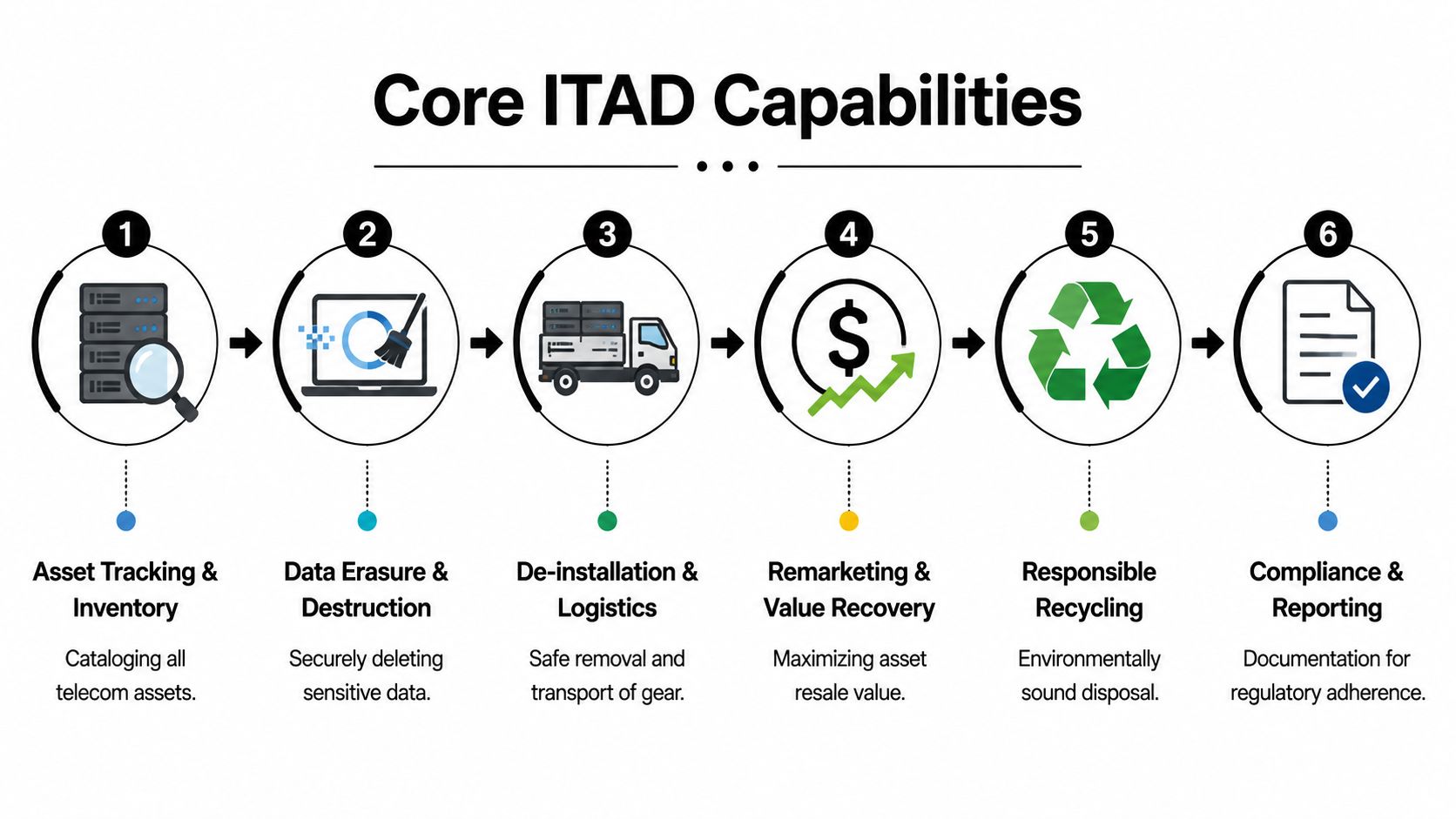
On-site decommissioning
Removal from an active site is the first real test. In telecom environments, retired gear often sits inches away from equipment that still supports voice, cameras, access control, Wi-Fi, or branch connectivity. A crew that treats the job like a generic cleanout can create an outage before the truck is loaded.
A capable provider works from an approved scope, confirms shutdown status, checks rack and room locations, and follows a defined removal order. That discipline protects operations and keeps responsibility clear if a question comes up later.
The practical difference is simple. ITAD is a logistics project with security controls built into it. The provider has to manage access, tools, staging, and lift-out just as carefully as wiping drives.
Asset tagging and audit trail
Chain of custody starts on the floor, not after arrival at a processing facility.
If equipment leaves the building before it is matched to the release list, the record trail is already weaker than it should be. Good operators capture serial numbers, note asset condition, tie material to a site or room, and document exceptions while the gear is still in front of them.
Look for process controls such as:
- Serialized tracking: Best for servers, storage, firewalls, network appliances, and other identifiable assets
- Site and room references: Useful for multi-floor offices, branch closures, MDF and IDF work, and phased removals
- Exception logs: Clear notes for missing tags, damaged units, incomplete chassis, or count mismatches
- Load verification: Manifest review before release, not after the truck departs
Those details affect more than reporting. They affect resale recovery, internal chargebacks, and your ability to answer an audit request months later.
Secure logistics and physical handling
Transport control matters as much as sanitization policy. Devices have to be staged, packed, loaded, and transferred without mixing approved equipment with loose scrap or material from another project.
For one site, that may mean carting gear from a locked telecom room to a dedicated vehicle under supervision. For a larger decommission, it may mean palletization by room or asset class, dock coordination, tamper controls, and signed release documents. The method changes by site. The requirement does not.
Battery handling deserves special attention. Telecom removals often include UPS units, battery packs, and damaged lithium-ion devices pulled during deinstall work. Poor segregation creates transportation risk and fire exposure. The guide on lithium-ion safety for firefighters is a useful reference for understanding why damaged battery systems need tighter handling controls before they ever reach a recycler.
Data sanitization and destruction
Data-bearing equipment needs a documented disposition decision. Some assets can be sanitized and resold. Others should be physically destroyed because the condition, policy requirement, or hardware type makes reuse a poor risk.
The key question is not whether a provider offers destruction. Many do. The better question is whether they can match the method to the device and produce records that hold up in an audit.
A practical standard looks like this:
| Asset condition | Better path | Why |
|---|---|---|
| Serviceable and suitable for reuse | Sanitization with audit records | Preserves residual value while controlling data exposure |
| Damaged, obsolete, or high-risk | Physical destruction | Reduces uncertainty where reuse offers little upside |
Ask how the provider handles failed drives, embedded storage in telecom appliances, and mixed loads where some assets qualify for reuse and others do not. That is where process maturity shows up.
Remarketing and value recovery
A provider that skips reuse review leaves money on the table. Telecom refreshes often produce switches, servers, optics, and appliances that still have secondary-market demand if they are complete, tested, and processed through documented sanitization.
HTG explains the connection between secure wiping and resale in its ITAD remarketing and wiping overview. That connection matters in real projects. The same chain of custody that protects data also protects asset value, because buyers pay more for equipment with clear provenance, verified erasure, and complete component sets.
Value recovery should never override security policy. It should work inside it.
Responsible recycling and reporting
Some loads include more than telecom hardware. A branch closure or data room cleanup may also involve shelving, packaging, office electronics, and general business material. In those cases, combining site removal with controlled downstream processing usually saves time and reduces handling errors.
That is where an integrated local partner can help. Fulton Junk Removal's commercial service options cover physical removal and site logistics for mixed business cleanouts, while electronics that require formal ITAD processing can be separated for proper recycling and disposition records.
Final reporting should tell you what was resold, what was destroyed, what was recycled, and what exceptions were recorded. If a provider can haul equipment away but cannot explain final disposition by category, they are handling transportation, not an end-to-end ITAD process.
Navigating Compliance Certifications and Regulations
A telecom room decommission can go off track before the truck even leaves the site. Batteries get mixed in with network gear. Drives are pulled without serial reconciliation. A subcontracted carrier signs one manifest, while the recycler issues a different destruction record days later. The compliance problem starts on the floor, not in the final certificate.
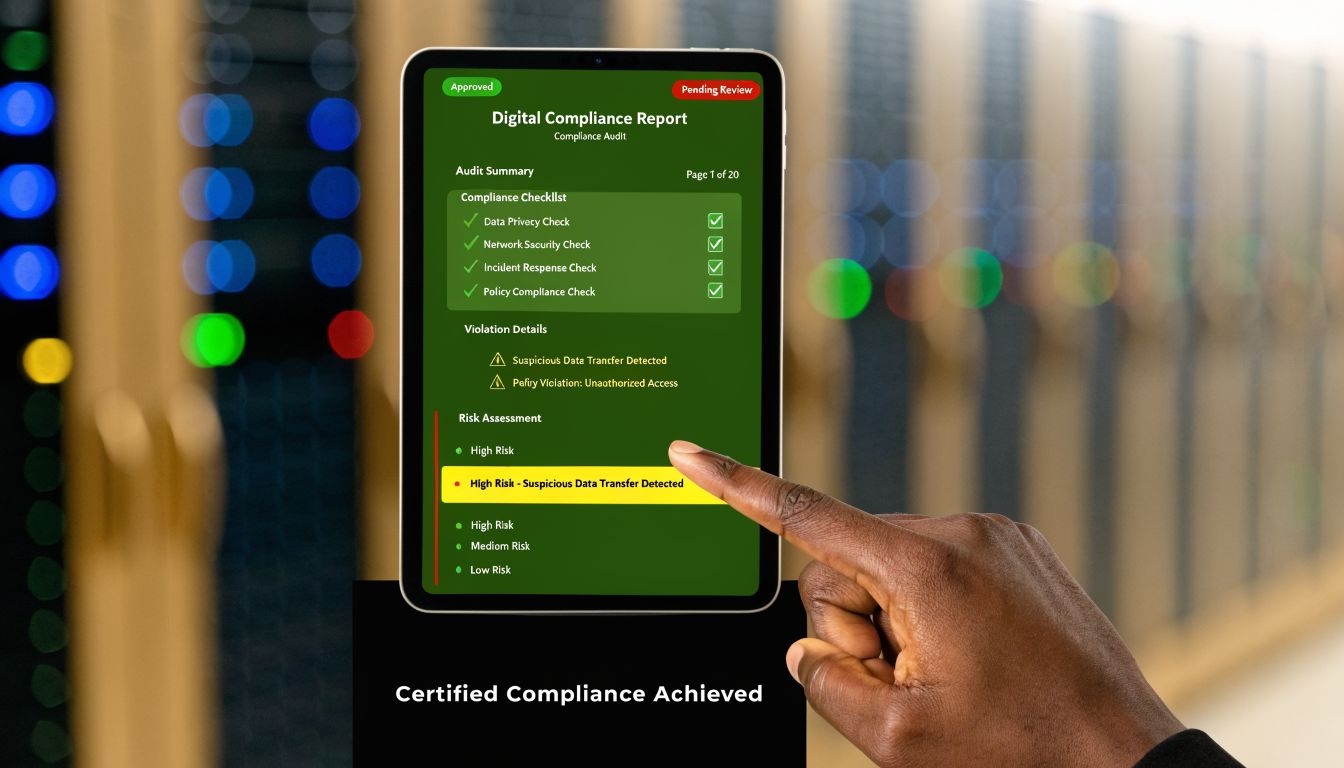
For telecom ITAD, certifications matter because they impose process discipline on removal, transport, data sanitization, and downstream disposition. A provider should be able to explain how equipment is identified at pickup, how custody is documented during transit, how data-bearing devices are handled, and how final disposition records are produced. If they cannot explain those steps clearly, the certificates are not doing much work for you.
What the key standards tell you
The standards that come up most often serve different purposes.
- NIST SP 800-88: Guidance for media sanitization. It helps you evaluate whether drives, flash media, and embedded storage are being cleared, destroyed, or handled in a way that matches the device and the risk.
- R2v3: An electronics recycling certification focused on operational controls, environmental practices, and downstream accountability. SERI outlines the standard and its focus on responsible reuse and recycling practices in its R2v3 standard overview.
- NAID AAA: A certification tied to secure information destruction and audited destruction processes, described by i-SIGMA in its NAID AAA certification program materials.
For a facilities or IT director, the practical question is simple. Which controls apply to this load, at this site, with this equipment mix?
A pallet of tested switches headed for remarketing is one job. A room full of mixed telecom gear, failed drives, UPS units, and loose accessories is another. The second job depends much more on site segregation, labeling, loading control, and accurate reconciliation. That is why ITAD should be treated as a logistics process with compliance built into it, not just a wiping task.
How certifications reduce business risk
Certified operations reduce avoidable failure points. They define intake procedures, exception handling, storage controls, destruction methods, and vendor oversight. Those controls matter long before final reporting is issued.
The risk usually shows up in three places:
Audit support Your team needs records that match what left the site, not a generic certificate disconnected from the pickup manifest.
Customer, carrier, or contract obligations
Telecom environments often contain equipment that processed configuration data, subscriber-related information, or internal network records. End-of-life handling needs to be defensible.Environmental accountability
Sustainability reporting falls apart when a provider can document pickup but cannot document downstream processing.
A certificate does not replace vendor review. It gives you a basis for checking whether the provider's field process, transport controls, and reporting are consistent.
What to ask for instead of accepting a logo
Ask for current certificates, scope statements, and sample documents from an actual telecom or electronics disposition job. Then compare those documents to the provider's removal workflow.
Use this review table during screening:
| What to request | Why it matters | Weak answer |
|---|---|---|
| Current certification documents and scope | Confirms the facility and activities covered | "We're familiar with that standard" |
| Sample chain-of-custody records | Shows how pickups, transfers, and receipts are documented | "Our drivers handle that" |
| Sanitization or destruction method summary | Clarifies what happens to data-bearing devices | "We wipe everything" |
| Sample final disposition reporting | Lets you judge whether reporting will satisfy audit and procurement teams | Generic one-line certificate |
| Downstream vendor controls | Shows whether environmental claims can be verified | "Our recycler takes care of it" |
Local coverage matters here too. If your project spans branch offices, storage sites, and central facilities, the provider needs a repeatable process across locations, not just one certified warehouse. Service reach affects chain of custody, scheduling, and who physically touches the equipment. For projects that require coordinated regional pickups, a provider with defined Atlanta-area commercial service coverage can simplify routing and site planning while keeping accountability tied to named crews and documented handoffs.
Compliance is part of the operating model
Teams often treat compliance as paperwork at the end. In telecom ITAD, it shapes labor planning, packing methods, device segregation, truck loading, transfer documentation, resale eligibility, and recycling decisions.
The providers that run tighter controls are usually easier to manage on busy projects because fewer decisions are left to the field. That lowers the odds of mixed loads, undocumented exceptions, and disputes over what happened after pickup.
Key Questions to Vet Potential ITAD Providers Near You
A provider can sound organized on a sales call and still lose control once equipment starts moving. That usually shows up at the loading dock, not in the proposal. Telecom ITAD succeeds or fails on field execution, because the job is part data security project and part removal project.
Start by testing whether the provider can run the work the way your sites operate. A team that handles a single office pickup well may still struggle with telecom closets, phased refreshes, warehouse pulls, and branch schedules that slip by a day or two.
Ask these first:
Can you support our project size, building access limits, and site count?
Look for a clear answer on crew size, equipment handling, staging, and whether they regularly process mixed telecom gear.How do you manage multi-site manifests and site-level reconciliation?
If everything is rolled into one master load, your team may have trouble proving what came from which location.What is your process when one site misses the pickup window?
Good operators already have a hold, reschedule, and documentation procedure.Who controls the equipment from rack removal through final processing? This question gets to the core issue. ITAD is a custody chain, not just a wipe report.
Paperwork matters, but ask to see the paperwork before you sign. Sample documents show whether the provider built its process for auditability or is planning to recreate the record after the fact.
Request these items:
- A sample asset manifest that shows serial tracking or quantity-based intake by device class
- A sample certificate of destruction or sanitization record with enough detail for audit review
- A sample final disposition report that separates resale, parts harvesting, destruction, and recycling
- A sample exception report for missing serials, damaged equipment, or count mismatches
If they will not share representative documentation in advance, expect gaps later.
Subcontracting is another pressure point. Using a partner for transport or regional coverage is common. Hidden handoffs are the problem. If the sales company is different from the pickup crew, and the processing site is different again, your team needs that chain spelled out before any pallet leaves the building.
These questions usually expose weak spots quickly:
| Question | Good answer | Concerning answer |
|---|---|---|
| Who picks up the equipment? | Named crews or a documented partner network with site handoff records | "Our team handles it" |
| Where is sanitization or destruction performed? | Specific facility or mobile process, with documented controls | "At one of our locations" |
| Who resolves inventory discrepancies? | Named operations contact with a written exception process | "That rarely happens" |
Then ask how they decide what gets resold, harvested for parts, destroyed, or recycled. A serious provider can explain the intake review, testing, grading, and sanitization threshold for each path. That answer tells you whether they actually manage value recovery or just sort material after pickup.
For Atlanta organizations with multiple offices, storage areas, or managed properties, route planning affects control as much as speed. A vendor with defined Atlanta service coverage by location is easier to schedule across sites because crews, handoffs, and travel windows are clearer from the start.
Understanding Pricing Models and Local Logistics
The invoice for an ITAD project is rarely just about destruction. You're paying for labor, handling, transport, reporting, and sometimes for the provider's ability to recover value from a portion of the load. That's why pricing models matter.
The three pricing structures buyers usually see
Most telecom ITAD projects land in one of these formats:
| Pricing model | Best fit | Watch for |
|---|---|---|
| Per-pound | Bulk loads with low-value mixed material | Weak fit for high-value serialized assets |
| Per-asset | Servers, network gear, or devices that need individual tracking | Higher admin cost if the list is messy |
| Flat project fee | Complex removals with staging, labor, and scheduling needs | Scope creep if inventory changes late |
A per-pound quote can look attractive for a room full of mixed electronics, but it may hide the fact that some items need special handling. A per-asset model is often better when custody, serialization, and device-specific destruction matter. Flat fees work well when labor and access complexity matter more than the exact scrap weight.
Local logistics changes the economics
"Near me" matters because transport isn't just a mileage issue. It's also a control issue. The longer and more fragmented the route between your site and the processor, the more handoffs and scheduling variables you introduce.
Telecom ITAD also has a timing problem. Providers that differentiate by offering secure decommissioning with "no downtime" are addressing a real pain point for multi-site projects where removal windows, failover planning, and active business operations all have to line up (Dynamic on telecom decommissioning without downtime).
A local provider with direct scheduling control can often help with:
- Shorter custody chains: Fewer transfers between your site and the processing point
- Better timing: Easier coordination for after-hours removals or phased cutovers
- Lower friction: Faster response when access conditions change at the last minute
What costs buyers miss
The hidden cost in telecom disposition is internal labor. If your team spends two days palletizing equipment because the provider only wants dock-ready freight, the quote may be low while the total project cost is high.
Watch for these operational cost drivers:
- Access restrictions: Elevators, dock limits, security escort requirements
- Site spread: Multiple closets, branches, or warehouse zones
- Preparation burden: Whether your team has to disconnect, stage, or inventory the load
- Scheduling sensitivity: Whether pickup must happen around live operations
If you need to compare scope or request a site-specific estimate for removal logistics, Fulton provides a direct commercial pickup contact page for scheduling discussions. That kind of early logistics review is often where unrealistic quotes get corrected before project day.
Environmental Impact and Diversion Reporting
A telecom room can be cleared in one night and still leave a problem behind. If your team cannot show where the switches, UPS units, cabling, batteries, and boards went after pickup, the job is only half finished. For facilities and IT leaders, the closeout package matters because it turns a removal event into an auditable disposition record.
What a diversion report should actually do
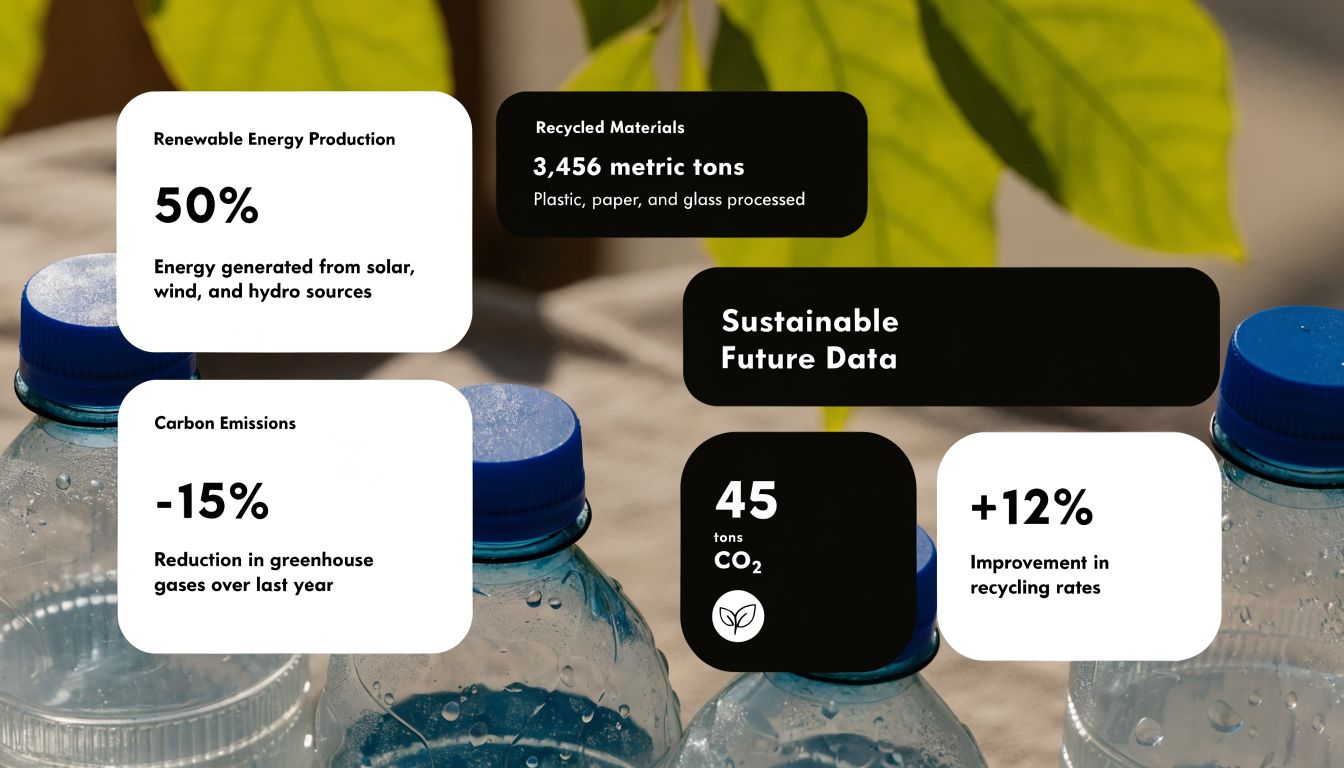
A useful diversion report answers operational questions your finance, compliance, and sustainability teams will all ask later:
- What was reused or remarketed
- What was dismantled and recycled
- What required destruction
- What material categories were kept out of landfill disposal
That level of detail matters because telecom ITAD is a logistics project tied to downstream processing. Equipment moves through loading docks, freight lanes, consolidation points, and recycling channels before it ever shows up in a report. If the provider cannot connect those physical handoffs to final disposition records, the environmental summary is weak.
The best reports also separate line items in a way your internal teams can use. A single total weight may satisfy a basic invoice file, but it does very little for an ESG update, an internal audit request, or a customer questionnaire.
Why this matters beyond recycling
Telecom equipment contains mixed material streams that should not be treated like ordinary office junk. Metal housings, printed circuit boards, power supplies, batteries, and cabling all need the right downstream path. Some assets still have reuse value. Others belong in certified electronics recycling channels. A smaller share may require destruction because of condition, contamination, or data security requirements.
That is the practical difference between hauling and ITAD. Removal gets equipment out of the room. Diversion reporting shows your organization handled the material responsibly after it left the site.
As noted earlier, the ITAD market keeps growing because organizations need documented, repeatable disposition processes. In regulated and multi-site environments, environmental reporting is part of that discipline, not a marketing extra.
What to look for in the final package
A solid closeout package usually includes the following:
| Reporting element | Why your team needs it |
|---|---|
| Disposition summary by category | Supports internal audit, procurement review, and sustainability tracking |
| Recycling confirmation | Shows non-reusable electronics entered the proper downstream stream |
| Destruction documentation | Closes the file for data-bearing or otherwise sensitive devices |
| Reuse or remarketing notes | Shows whether any recovery value or reuse outcome was achieved |
Chain of custody matters here too. If a provider handled pickup but relies on separate downstream parties for processing, the final report should still tie those stages together clearly. That is one reason local coordination helps. Teams planning metro-area projects often start with Atlanta commercial removal coverage so the physical collection plan and the disposition reporting are built around the same job scope.
Sustainability reporting is credible when pickup records, downstream processing records, and final disposition documents match.
The business value of good reporting
Good reporting reduces rework. It gives facilities a record for waste and recycling files, gives IT support for disposition audits, and gives procurement or leadership something defensible when they are asked how retired telecom gear was handled.
It also helps explain trade-offs. A provider with a slightly higher project fee may still be the better choice if the scope includes room-by-room removal, secure handling of data-bearing equipment, and documentation your team would otherwise spend days chasing. That is usually where the true efficiency gain lies in an integrated ITAD project. The loading, transport, processing, and reporting are managed as one chain instead of separate tasks stitched together after the fact.
Your Atlanta Partner for Integrated ITAD and Removal
Atlanta organizations usually don't struggle with finding someone to pick up old equipment. They struggle with finding a process that handles the physical removal, the data-sensitive devices, and the reporting without splitting the job across too many vendors.
That is where an integrated local model makes sense. Fulton Junk Removal handles commercial removal logistics for offices, warehouses, and properties, while Beyond Surplus supports responsible downstream electronics recycling and reuse. For telecom projects, that combination helps close the gap between "get it out of the room" and "process it correctly."
This matters most when the job includes both infrastructure equipment and general business material. Facilities teams often need one coordinated removal window, not one vendor for boxes and scrap and another for data-bearing electronics. A combined approach reduces handoff points and makes scheduling easier.
For Atlanta property managers, IT directors, and facilities leaders, local coverage also helps when projects involve multiple rooms, dock restrictions, after-hours access, or phased cleanouts. Fulton lists its Atlanta service area details for organizations coordinating removals across the metro area.
The right outcome is straightforward. Retired telecom gear leaves your site through a controlled process, data-bearing devices are routed for proper handling, recyclable material is diverted responsibly, and your team gets documentation that closes the loop.
If you're planning a telecom refresh, office cleanout, warehouse clear-out, or multi-site equipment removal, Fulton Junk Removal can help coordinate the physical pickup and removal side of the project while supporting responsible downstream recycling workflows through Beyond Surplus. Request a free estimate to map the scope, logistics, and documentation your site needs.
