
7 Popular Festivals in Atlanta Georgia for 2026
Atlanta’s festival calendar is one of the reasons people put up with traffic, parking headaches, and crowded weekends. You get major music events in parks, giant fandom gatherings downtown, film programming, food pop-ups, and neighborhood traditions that pull in locals and out-of-towners alike. For fans, that means choices. For organizers, venue teams, and property managers, it means pressure.
The pressure usually shows up after the last set ends or the final booth comes down. Cups pile up. Signage gets abandoned. Vendors leave behind packaging, pallets, broken fixtures, and food-service waste. Nearby properties deal with overflow. Standard trash service often isn’t built for that kind of turnover, especially when a park, hotel footprint, or mixed-use venue needs to look normal again fast.
That’s why a guide to Popular Festivals in Atlanta Georgia shouldn’t stop at lineups and dates. It should also cover what attendance feels like, what each event does well, where the friction points are, and what cleanup realities follow large crowds. That second part matters more than most festival roundups admit.
For festival-goers, the practical questions are simple. Is it easy to get around? Is it family-friendly? Do you need to buy early? Should you expect long walks, downtown congestion, or weather exposure? For organizers, the questions are tougher. How do you stage vendor load-out without leaving debris behind? What happens to bulky materials? Which waste streams can be recycled instead of dumped? How do you document diversion for stakeholders?
Those questions sit right in Fulton Junk Removal’s lane. Fulton handles commercial cleanouts and event-related haul-away, and through Beyond Surplus, recyclable materials and electronics can be processed more responsibly instead of treated like mixed trash. If you’re involved in festival operations, that circular approach is more useful than a basic “everything to landfill” pickup model.
If you’re promoting an event as well as running it, visibility matters too. Some organizers pair operations planning with outside marketing support such as an influencer outreach service.
1. Atlanta Dogwood Festival
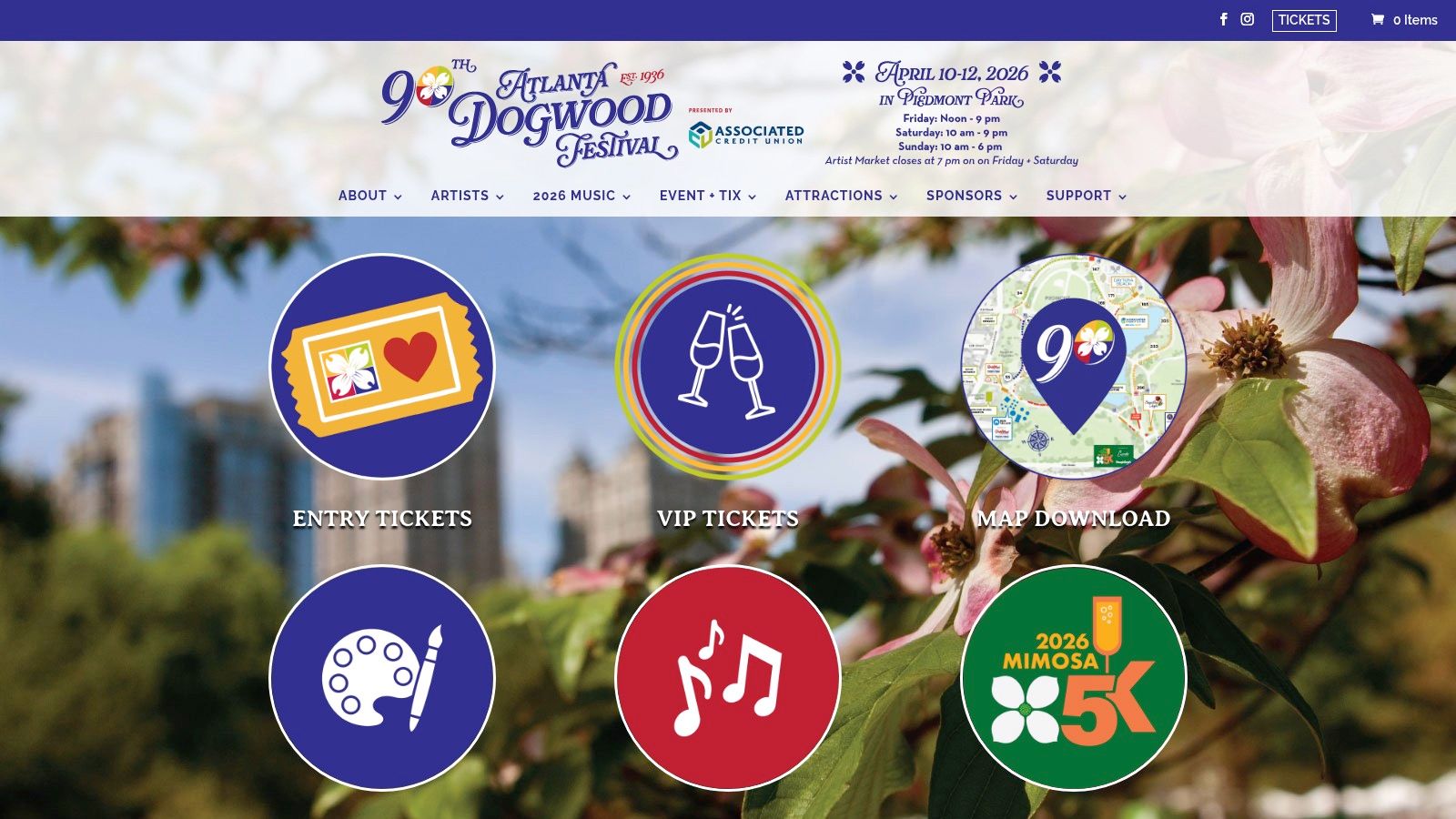
Atlanta Dogwood Festival is one of those events that still feels tied to the city’s identity, not just its event calendar. It has deep roots in Piedmont Park, and that matters because the setting does a lot of the work. People can browse art, catch live performances, bring kids, and stay moving without dealing with the sprawl you get at some larger multi-site events.
For attendees, the appeal is range. You’re not committing to one narrow interest. Fine art, student work, family programming, races, music, and food all sit in the same footprint, which makes the event easier to recommend to mixed groups.
What works well
The strongest part of Dogwood is its balance. It’s broad without feeling random.
- Art-first identity: The juried artists market gives the festival a clear center, so it doesn’t feel like a generic spring fair.
- Good family fit: Kids Village and student art programming make it easier for parents to justify a full-day visit.
- Walkable layout: Piedmont Park can get crowded, but the venue is familiar and manageable for most Atlanta locals.
- Race tie-in: The Mimosa 5K adds another entry point for people who like active events more than passive browsing.
The main trade-off is expectation management. Returning attendees who remember older free-entry versions may be surprised by the 2026 admission change noted on the official Atlanta Dogwood Festival website. That doesn’t make the event worse, but it changes the feel. People tend to be more forgiving of crowds and lines when they walk in free.
Practical rule: If you’re going on a peak day, decide before you arrive whether you’re there to shop art, catch stage programming, or bring kids. Trying to do all three at once usually turns a relaxed festival into a long zigzag across the park.
Organizer takeaway
Dogwood-style festivals create a deceptively messy cleanup profile. Art booths and family zones don’t always look as waste-heavy as music festivals, but they can produce a stubborn mix of cardboard, packing foam, damaged display materials, food containers, temporary fencing, and event signage.
That matters for nearby venues and park-adjacent properties as much as for organizers. If you manage an Atlanta property that sees event-related overflow, coordinated cleanup support can make turnover much smoother. Fulton’s Atlanta service area is directly relevant for these park-centered event days, especially when standard waste handling leaves bulky materials behind.
For fans, Dogwood is easy to enjoy if you arrive early and accept that parking will likely be the most annoying part of the day. For organizers, it’s a reminder that “family-friendly” doesn’t mean “light cleanup.” It usually means more packaging, more disposables, and more end-of-day sorting.
2. Atlanta Jazz Festival
Atlanta Jazz Festival has a different rhythm from most big-city festivals because it doesn’t push urgency the same way. You can drop in, stay for a set, spread out on the lawn, and let the day unfold. That’s part of why it has staying power.
The festival has been held annually in Piedmont Park since 1978, and Marriott’s Atlanta festival guide describes it as one of the city’s most iconic free music events, often drawing more than 200,000 attendees over Memorial Day weekend while featuring multiple stages and a long history of notable headliners on the Marriott Traveler Atlanta festivals page. That scale tells you two things at once. It’s culturally important, and it creates a serious operations footprint.
Why fans keep coming back
Free access is the obvious advantage. It lowers the barrier for casual listeners, families, and visitors who want a major Atlanta experience without committing to a high ticket cost.
It also helps that the programming usually feels inclusive. Jazz fans can go deep, but the event still works for people who want a strong park festival with quality music and community energy.
A few practical trade-offs are worth planning for:
- Lawn setup matters: Bring what you need for comfort, because open-air park seating sounds casual until you’re under direct sun for hours.
- Weather changes the experience fast: A great day in Piedmont Park can turn uncomfortable if you underpack for heat or rain.
- Add-ons change the budget: General admission is free, but VIP and special events aren’t.
Why organizers should study it
A festival of this size puts sustainability claims under a microscope. Food service, beverage sales, temporary staging, and attendee sprawl create a wide debris field. The issue isn’t just total volume. It’s the mix of materials and the speed required for restoration.
When a large park event closes, the venue doesn’t get to recover slowly. Organizers, city partners, vendors, and surrounding stakeholders want the site cleared quickly and responsibly. That’s where a commercial cleanup plan needs more than labor. It needs separation, haul-away logistics, and a path for recyclable materials.
Large free festivals test whether an organizer planned for disposal before opening day, not after closing night.
For teams working south of the city or coordinating regional vendor support, Fulton’s South Fulton service area can fit into that planning, especially when pre-event staging materials and post-event debris both need attention.
As one of the most recognizable entries on any list of Popular Festivals in Atlanta Georgia, Atlanta Jazz Festival gets the fundamentals right for fans. It’s accessible, culturally important, and easy to recommend. The hidden lesson is operational. When attendance reaches this level, cleanup isn’t a side task. It’s part of the event itself.
3. Shaky Knees Music Festival
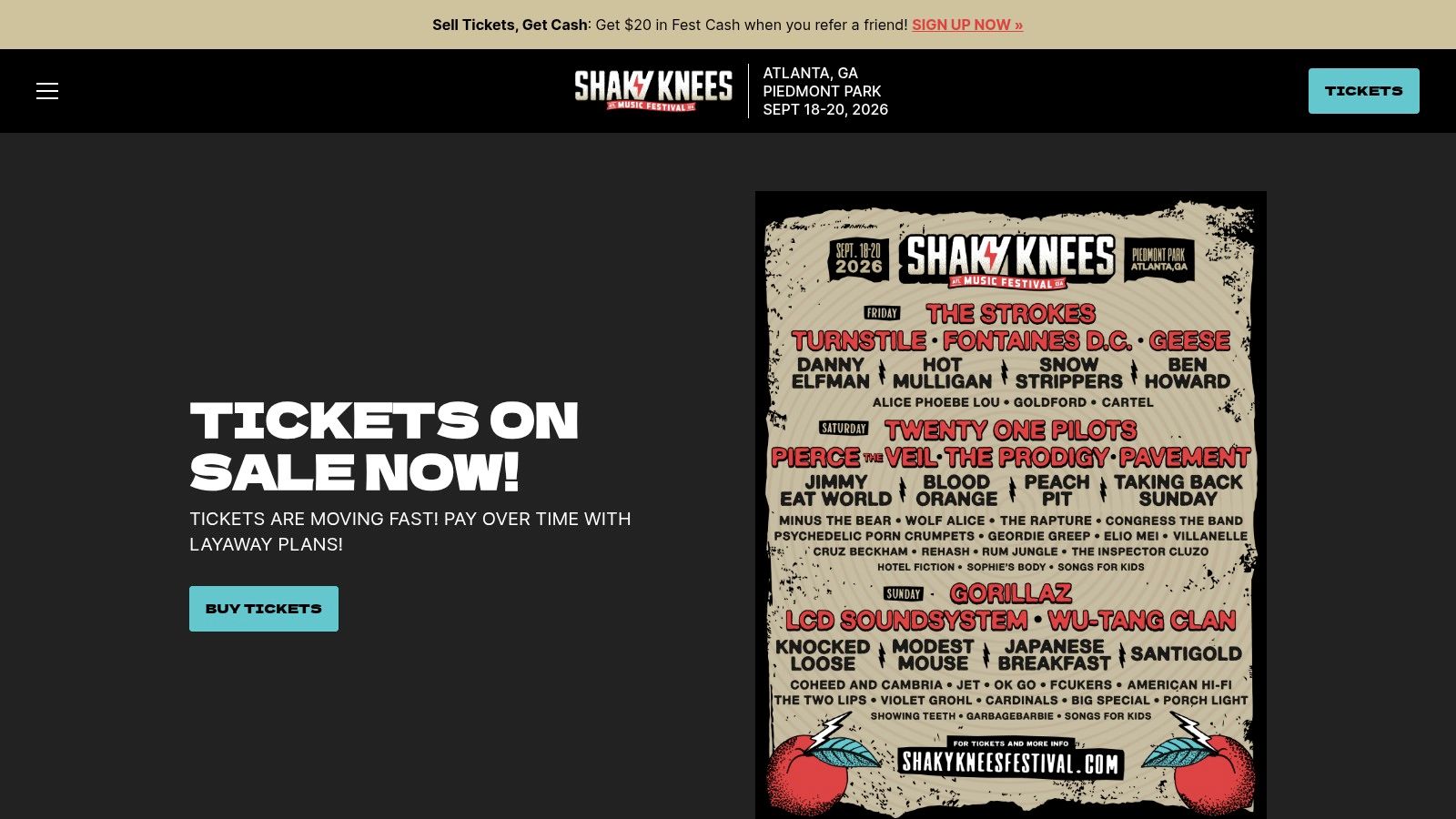
If your taste runs guitar-forward, loud, and schedule-packed, Shaky Knees is the cleanest recommendation in Atlanta. It knows what it is. That sounds simple, but it’s a real advantage. Some festivals broaden their booking so much that the identity gets blurry. Shaky Knees has stayed legible.
Hotels.com notes that the festival launched in 2013 and can accommodate up to 40,000 attendees per day across three days, with more than 60 artists appearing on multiple stages at Central Park in the Old Fourth Ward on its Atlanta festivals guide. For attendees, that means energy and choice. For organizers, it means constant pressure on movement, waste handling, and load-out timing.
Attendee experience and trade-offs
The best part of Shaky Knees is consistency. Fans generally know the event will deliver a focused rock, indie, and alternative experience rather than trying to be all things to all people.
Its tiered ticketing and premium viewing options also make the experience more customizable than many park festivals. That’s useful if you care about comfort, shorter lines, or a less crowded viewing setup.
What doesn’t work as well is familiar to anyone who’s done major outdoor festivals:
- Tier pricing rewards early buyers: Waiting usually means fewer options and worse value.
- Park conditions affect the day: Weather, ground wear, and foot traffic can change comfort fast.
- Crowd flow is part of the experience: You’re not just seeing bands. You’re navigating thousands of other people between sets, food lines, and restrooms.
Cleanup lessons from a high-volume music festival
Shaky Knees is where the waste conversation becomes less theoretical. Beyond the obvious cups and food containers, music festivals generate bulky support materials. Barricades, signage, damaged seating, vendor fixtures, and backstage packaging create a cleanup stream that basic bag collection doesn’t solve.
One practical reason organizers should think beyond standard waste pickup is volume concentration. At a festival this dense, debris doesn’t spread evenly. It clusters at choke points, backstage areas, vendor rows, and perimeter fencing. Cleanup crews need routing plans, not just trucks.
Field note: The fastest post-festival cleanups usually separate bulky haul-away from mixed trash immediately. If crews pile everything together first, recycling opportunities shrink and venue turnover slows.
Fulton’s Sandy Springs service area is relevant for organizers, suppliers, and nearby commercial properties managing event spillover in the broader metro.
For fans, Shaky Knees is easy to rank near the top because the curation is strong and the event infrastructure is mature. For operators, it’s a textbook example of why sustainable cleanup has to be designed into the event, not added after the encore.
4. Dragon Con
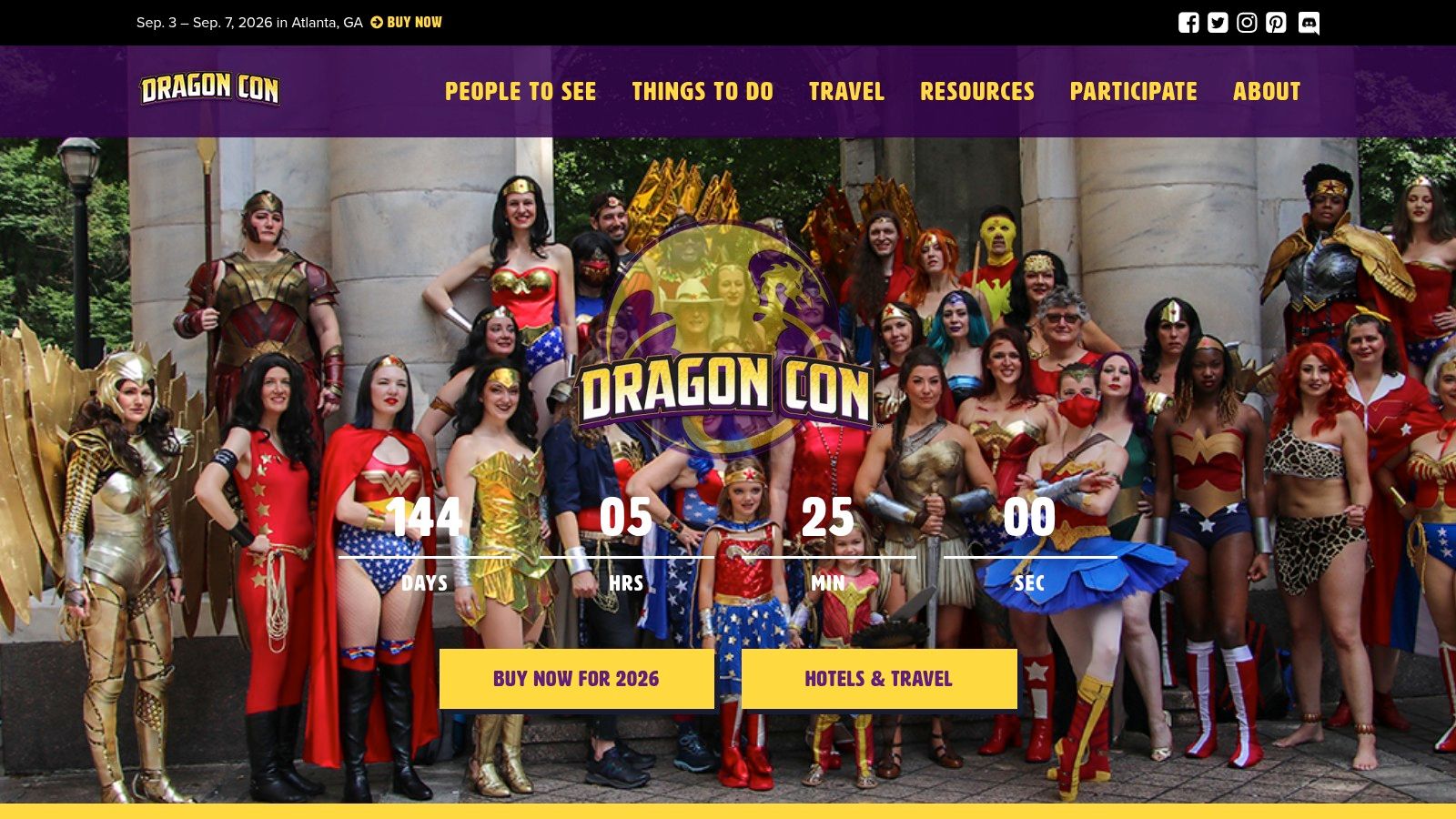
Dragon Con isn’t a park festival, and that changes almost everything. It’s spread across downtown hotels and event space, runs on fandom intensity, and operates more like a temporary city than a single event. If you like comics, sci-fi, fantasy, gaming, cosplay, and fan-driven programming, it offers more depth than most attendees can cover in one weekend.
That depth is the draw and the challenge. First-timers often underestimate the logistics because they think “convention” and picture a normal exhibit hall experience. Dragon Con is busier, denser, and more layered than that.
What attendees should know
The upside is obvious. There’s almost always something happening, and the fan community is a major part of the value. Panels, costumes, gaming, vendor halls, and parade culture give the event momentum at nearly every hour.
The downside is also obvious once you arrive. It’s crowded.
- Hotels matter: If you don’t stay close, your energy goes into commuting between programming blocks.
- The schedule can overwhelm: Good planning beats spontaneity here.
- Membership language can confuse new attendees: It’s worth reading the official Dragon Con website carefully before buying access or booking around specific events.
Why Dragon Con creates a different cleanup problem
A downtown multi-hotel event doesn’t leave one giant lawn covered in debris. Instead, it creates distributed waste across loading docks, ballroom reset areas, vendor spaces, hotel back-of-house corridors, temporary queue zones, and street-level parade impact areas.
That means cleanup is less about one dramatic overnight sweep and more about coordinated turnover between active spaces. Hotels and event managers need rooms reset fast. Vendors need leftover materials removed. Cosplay-heavy attendance can also mean damaged props, abandoned storage materials, and packaging waste that standard hospitality staffing isn’t built to process at event scale.
For property managers and event teams north of the city, Fulton’s Roswell service area can be useful when convention-related staging, off-site storage, or post-event material removal spills beyond downtown proper.
“The hardest event waste isn’t the visible stuff on the floor. It’s the awkward leftover material nobody claimed after teardown.”
Dragon Con is one of the strongest recommendations in Atlanta if you want immersion rather than casual attendance. It rewards planning, stamina, and hotel strategy. It also shows why festival and convention cleanup can’t be treated as one-size-fits-all. Different venue types create different waste streams, and the best operators plan for that before badges are scanned.
5. Atlanta Pride Festival & Parade
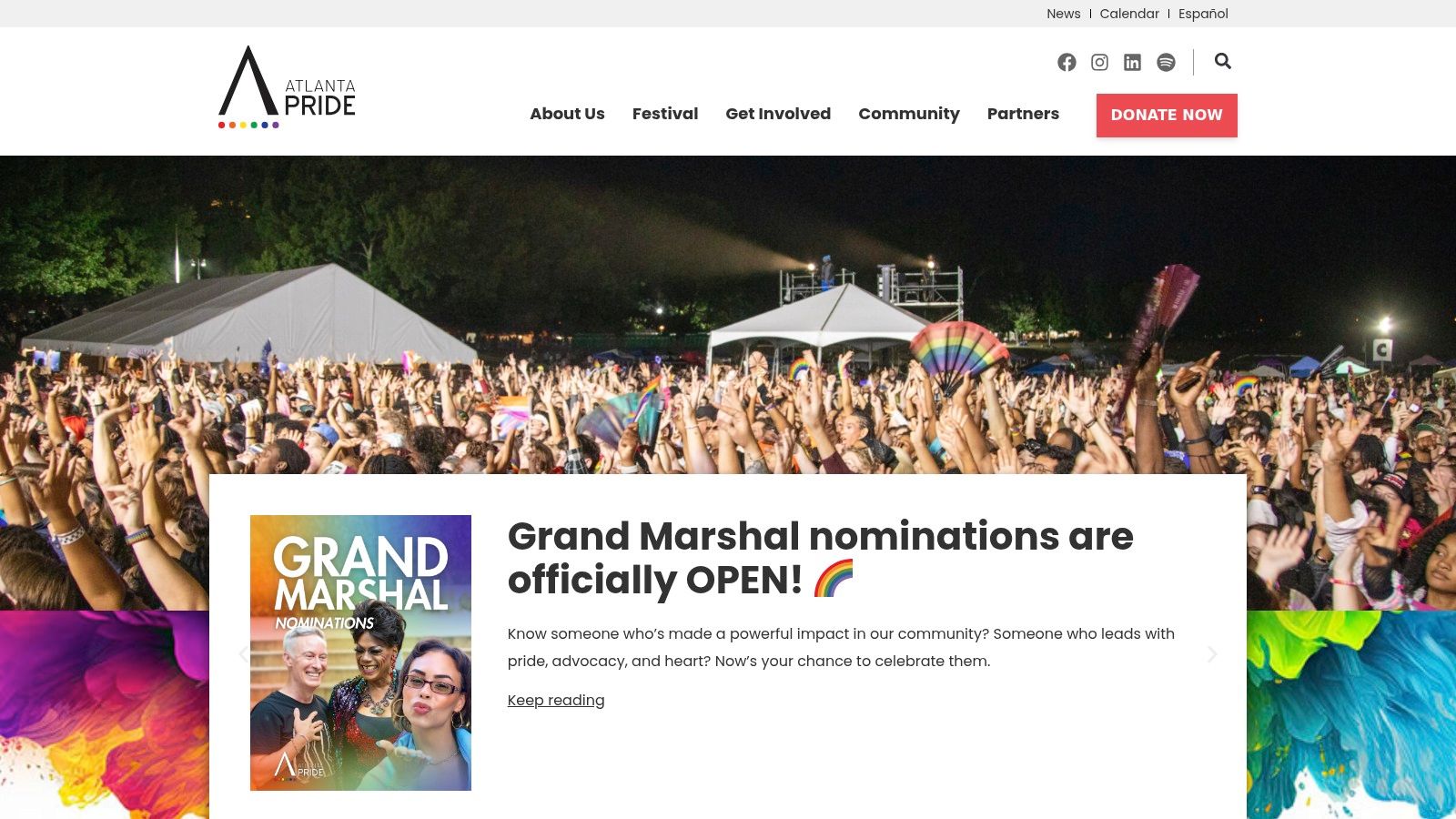
Atlanta Pride works because it doesn’t feel small even when you attend just one piece of it. The park festival, marketplace, parade, and citywide events give people multiple ways in. You can treat it as a community gathering, a celebration, a political statement, a social weekend, or all of those at once.
That flexibility makes it one of the most approachable entries among Popular Festivals in Atlanta Georgia. You don’t need specialist knowledge to enjoy it. You just need a plan.
Best reasons to go
The biggest practical advantage is that the main festival remains easy to access for a broad audience. A free main footprint lowers friction and keeps the event open to people who may be attending for the first time.
The fall timing also helps. Cooler conditions can make a huge difference in Atlanta compared with late-spring or midsummer events.
A few realities to keep in mind:
- The parade day gets congested fast: If your goal is a good viewing spot, casual arrival usually doesn’t work.
- Transit and walking are often easier than driving: Midtown traffic and closures can erase any convenience you thought you had.
- Affiliated events vary: Some surrounding parties and kickoff events require separate tickets, even if the main festival doesn’t.
The official details are best checked through the Atlanta Pride website.
What organizers can learn from Pride weekend
Pride generates a hybrid cleanup profile because it combines festival waste with parade-route impact. Those are not the same operational problem.
The park side produces food-service waste, booth debris, signage, and temporary infrastructure materials. The parade side adds street-level cleanup, barriers, route-adjacent overflow, and pressure from businesses that need normal access restored quickly.
That’s why event cleanup plans for Pride-style weekends should include more than bag collection and final haul-away. Organizers need a sequencing plan. Route cleanup, vendor breakdown, bulky item removal, and recycling separation don’t happen at the same pace.
For property managers and commercial stakeholders on the north side, Fulton’s Johns Creek service area matters when event materials, temporary storage, or overflow cleanup extends beyond the core venue area.
What works best at Atlanta Pride is also what makes it operationally demanding. It’s large, public-facing, emotionally important, and spread across multiple touchpoints. Fans should expect crowds and lean into transit. Organizers should treat cleanup as part of the public experience because the city notices how quickly a celebration returns shared spaces to normal.
6. Atlanta Film Festival + Creative Conference
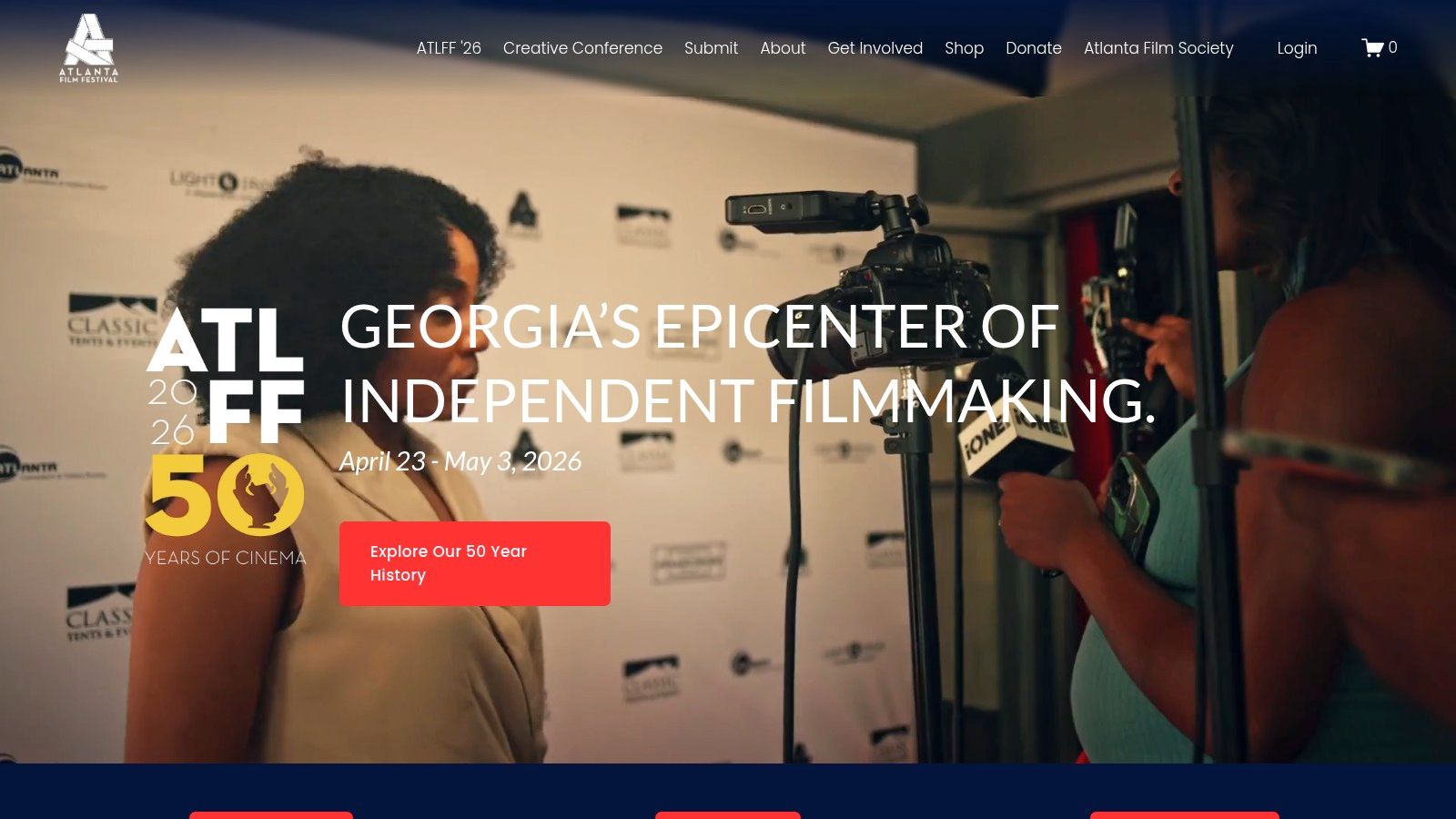
Atlanta Film Festival serves a different audience than the city’s biggest outdoor events, but that doesn’t make it niche in a limiting way. It’s one of the better examples of a festival that works for both general audiences and industry-adjacent attendees.
The mix is the point. Public screenings pull in local moviegoers. Filmmaker Q&As and panels give the event substance. The Creative Conference adds a professional layer that makes the festival more useful than a simple run of screenings. According to the official Atlanta Film Festival website, the 2026 edition marks the festival’s 50th anniversary.
Why it stands out
This is the festival to choose if you want a more structured cultural experience and less of an all-day park commitment. You can attend one screening or build a multi-day schedule around films, conversations, and networking.
That flexibility is useful, but it creates its own friction.
- Schedule discipline matters: Screenings, talks, and venue shifts can create dead time if you don’t plan carefully.
- Badge strategy matters too: Premium access can make sense for industry-focused attendees, but it may be unnecessary for casual visitors.
- Venue awareness is part of the experience: Unlike a single-site festival, this one rewards advance mapping.
The less obvious waste issue
Film festivals usually don’t trigger the same visual cleanup alarm as outdoor music events, but they still create material turnover. Step-and-repeat setups, promotional signage, registration materials, lanyards, staging components, hospitality waste, pop-up installations, and sponsor activations all leave a footprint.
The difference is that the waste often looks more “professional” and therefore gets ignored in planning. It shouldn’t. Temporary event builds can leave behind bulky materials that don’t belong in standard office or venue disposal streams. For organizers, a circular disposal mindset makes more sense than generic haul-away. Electronics from activations, metal display components, and reusable fixtures shouldn’t automatically be treated as mixed junk if a recycling and reuse partner can process them.
Operational advice: If an event includes sponsor booths, production gear, or temporary branded installations, assign ownership for teardown waste before the event opens. Unclaimed materials are what usually turn a clean venue into a disposal scramble.
For attendees, Atlanta Film Festival is one of the easiest events to tailor to your interest level. For organizers, it’s a reminder that professional-looking events still create messy back-end logistics. The cleanup just happens behind curtains, loading doors, and registration areas instead of across a park lawn.
7. Taste of Atlanta

Taste of Atlanta makes the strongest case for people who want festival energy without committing to one giant outdoor weekend. Its format is more modular. That’s useful if your schedule is tight or if you prefer targeted food events over broad entertainment festivals.
The brand’s appeal is sampling efficiency. You get exposure to chefs, restaurants, mixologists, demos, and pop-ups across different Atlanta-area venues instead of relying on one single setup. According to the official Taste of Atlanta website, 2026 marks its 25th anniversary.
Best fit for attendees
This is a strong pick for locals who care more about eating and discovering restaurants than standing through long music sets. It’s also easier to fit around normal life because the events can be spread across multiple dates and places.
That said, format variety is both a strength and a trade-off.
- You get flexibility: Different venues and event styles create options.
- You lose one-site simplicity: You need to check each event format instead of assuming one universal festival experience.
- Sellouts matter: Popular tastings don’t reward last-minute planning.
Why food festivals need better cleanup planning
Food-focused events produce a more complicated waste stream than many organizers expect. It’s not just leftovers and cups. You’re dealing with prep materials, cooking supplies, packaging, temporary counters, damaged smallwares, decor elements, and vendor backstock that may not be claimed after breakdown.
That’s where the Fulton and Beyond Surplus model becomes especially practical. A bundled junk removal and recycling pickup setup works better than a landfill-first approach when an event creates mixed materials, especially if some of those materials can be recycled or repurposed instead of dumped.
For offices, mixed-use venues, and commercial properties that host or support food events, that kind of separation also helps with reporting. If a sustainability manager has to explain what happened to event waste, “we removed it” isn’t enough. Documented diversion is stronger than assumption.
One underserved point in Atlanta festival coverage is exactly this. The Thriving Together Atlanta Community Arts and Wellness Festival reference notes that practical post-event cleanup guidance is often missing from festival discussions, even though organizers face debris from booths, food service, and temporary structures on the official Thriving Together Atlanta festival page.
Taste of Atlanta is easy to recommend if your priority is culinary discovery. It’s less ideal if you want one giant communal lawn experience. For operators, it highlights a larger truth. Food events create some of the most varied waste streams in the festival world, and they benefit from cleanup partners that can sort, haul, and recycle with intention.
Top 7 Atlanta Festivals Comparison
| Event | 🔄 Implementation complexity | ⚡ Resource requirements | ⭐ Expected outcomes | 📊 Ideal use cases | 💡 Key advantages |
|---|---|---|---|---|---|
| Atlanta Dogwood Festival | Moderate, multi-vendor & admissions logistics | High, artist booths, stages, staffing, waste management | ⭐⭐⭐⭐, strong family attendance & arts exposure | Community arts showcase; family weekend event | Walkable venue, juried art market; tip: enforce three-stream waste stations |
| Atlanta Jazz Festival | Moderate, city-run, month-long coordination | High, stages, satellite events, volunteer crews | ⭐⭐⭐⭐, broad cultural reach & high attendance | Free large-scale cultural programming; community outreach | Free main event and diverse lineup; tip: pack a personal trash bag |
| Shaky Knees Music Festival | High, multi-stage production and tiered access | Very high, production, security, VIP services | ⭐⭐⭐⭐, strong fan engagement and revenue tiers | Rock/alternative multi-day concert with premium options | Curated lineup and amenities; tip: buy early for best ticket value |
| Dragon Con | Very high, multi-venue, 24/7 scheduling across hotels | Very high, venue coordination, housing, logistics, security | ⭐⭐⭐⭐⭐, massive attendance and dedicated fandom | Large-scale pop-culture convention with extensive tracks | Unmatched scale and community passion; tip: secure hotels/memberships early |
| Atlanta Pride Festival & Parade | High, parade route + park coordination & safety | High, crowd control, sanitation, parade logistics | ⭐⭐⭐⭐, high visibility and community impact | Civic parade and LGBTQ+ community celebration | Free access and strong ally participation; tip: pre-position roll-off containers |
| Atlanta Film Festival + Creative Conference | Moderate, multi-venue scheduling over 10 days | Moderate, screening venues, AV, conference staff | ⭐⭐⭐⭐, industry exposure, networking, filmmaker discovery | Independent film showcase and professional development | Mix of public screenings + education; tip: use digital programs to reduce waste |
| Taste of Atlanta | Moderate, multi-venue culinary programming | Moderate, food vendors, health/safety, partnerships | ⭐⭐⭐, strong culinary exposure and sampling | Food tastings, chef demos, pop-ups across the city | Efficient sampling and multiple dates; tip: partner with food-rescue and composting programs |
Make Your Next Event a Model of Sustainability
Atlanta’s best festivals work because they deliver more than entertainment. They create repeat habits. People mark calendars, book hotels, gather friends, and build traditions around them. That only happens when events feel well run from beginning to end.
For attendees, the responsibility starts small. Bring a refillable bottle where allowed. Use the right waste bins instead of the closest one. Don’t abandon chairs, blankets, broken coolers, or promo materials at the end of the night. Those choices seem minor in isolation, but at festival scale they shape how much material has to be hauled, sorted, recycled, or dumped afterward.
For organizers, venue operators, and property managers, the aftermath falls to your team. You’re responsible for restoring the site, protecting nearby tenant relationships, managing vendor leftovers, and documenting that the event handled waste responsibly. That’s hard to do if cleanup planning starts after the event is already selling tickets.
The practical approach is to plan waste the same way you plan power, security, load-in, and crowd flow. Decide where bulky items will go. Assign responsibility for booth materials and unclaimed assets. Separate electronics, metals, and recyclable streams before teardown gets chaotic. Build a pickup schedule around how the site closes, not how you hope it will.
That’s where a specialist partner can remove a lot of operational drag. Fulton Junk Removal handles commercial cleanouts and event-related debris removal, and because it operates within the Beyond Surplus ecosystem, recyclable materials and electronics can be processed through a more circular system rather than treated as all-purpose trash. For offices, warehouses, venues, and property managers, that bundled model is practical because it combines haul-away with responsible recycling and makes sustainability reporting easier through diversion documentation.
This matters beyond optics. A venue that clears quickly is easier to reopen, rebook, and return to normal use. A property manager who has a reliable cleanup partner spends less time chasing abandoned materials. A sustainability lead who receives clear diversion reporting has something concrete to bring to internal stakeholders. Those are operational wins, not just branding points.
It also helps to think upstream. Some of the messiest post-event situations begin before the public even arrives. Old warehouse stock, broken displays, obsolete signage, outdated tech, and staging leftovers often compete for the same back-of-house space needed during the event. Clearing those materials in advance makes teardown safer and more organized later.
If your event also relies on physical brand activations, greener exhibit planning can support the same goal. Options like sustainable LED booth solutions fit well with a lower-waste event strategy.
Atlanta has the audience and venue mix to keep producing standout festivals. The better question is how those events leave their spaces behind. Fans notice when parks recover quickly. Hotels notice when convention areas reset smoothly. Sponsors and community partners notice when sustainability claims are backed by process instead of vague promises.
A strong event doesn’t end when the crowd leaves. It ends when the site is cleared, reusable materials are diverted where possible, and the next tenant, guest, or visitor walks into a space that’s ready to use again.
If you’re planning a festival, managing a venue, or dealing with post-event debris at a commercial property, Fulton Junk Removal can help with pre-event cleanouts, post-event haul-away, and recycling-focused removal through Beyond Surplus. Request a free estimate and build cleanup into your event plan before teardown becomes a problem.
