
Popular Festivals in Atlanta Georgia: 2026 Guide
Atlanta’s festival calendar does two jobs at once. It gives attendees some of the best weekends on the local events schedule, and it gives organizers, venue teams, and property managers a serious operations test. Crowds leave behind packaging, staging debris, broken-down booth materials, food service waste, and the usual mix of items no one wants to sort on a tight turnaround.
That’s the part many guides skip.
If you’re looking for Popular Festivals in Atlanta Georgia, you probably want two kinds of answers. First, which events are worth planning around as an attendee. Second, which festivals create the biggest cleanup demands if you manage a park, venue, retail corridor, or event footprint. Both matter. A strong event isn’t just well programmed. It’s well closed out.
Atlanta comes alive during festival season with music, food, film, art, and community events spread across parks, streets, and theaters. For guests, that means more choices. For organizers, it means tighter load-ins, stricter waste plans, and more pressure to clear sites quickly once the final set ends. Security planning matters too, especially on high-traffic weekends. If you’re coordinating a public event, these essential steps for flawless event security are part of the same operational picture as cleanup and site reset.
The guide below focuses on well-known Atlanta festivals, but it also looks at what works and what doesn’t from a logistics perspective. Some festivals are easier on waste streams because the footprint is controlled. Others create a more demanding mix of food waste, cardboard, temporary fencing, truss packaging, and discarded promotional material. The difference matters when you’re scheduling haulers, recycling pickups, and post-event labor.
A good festival should leave people with a memory, not leave the venue with a landfill problem.
1. Atlanta Dogwood Festival
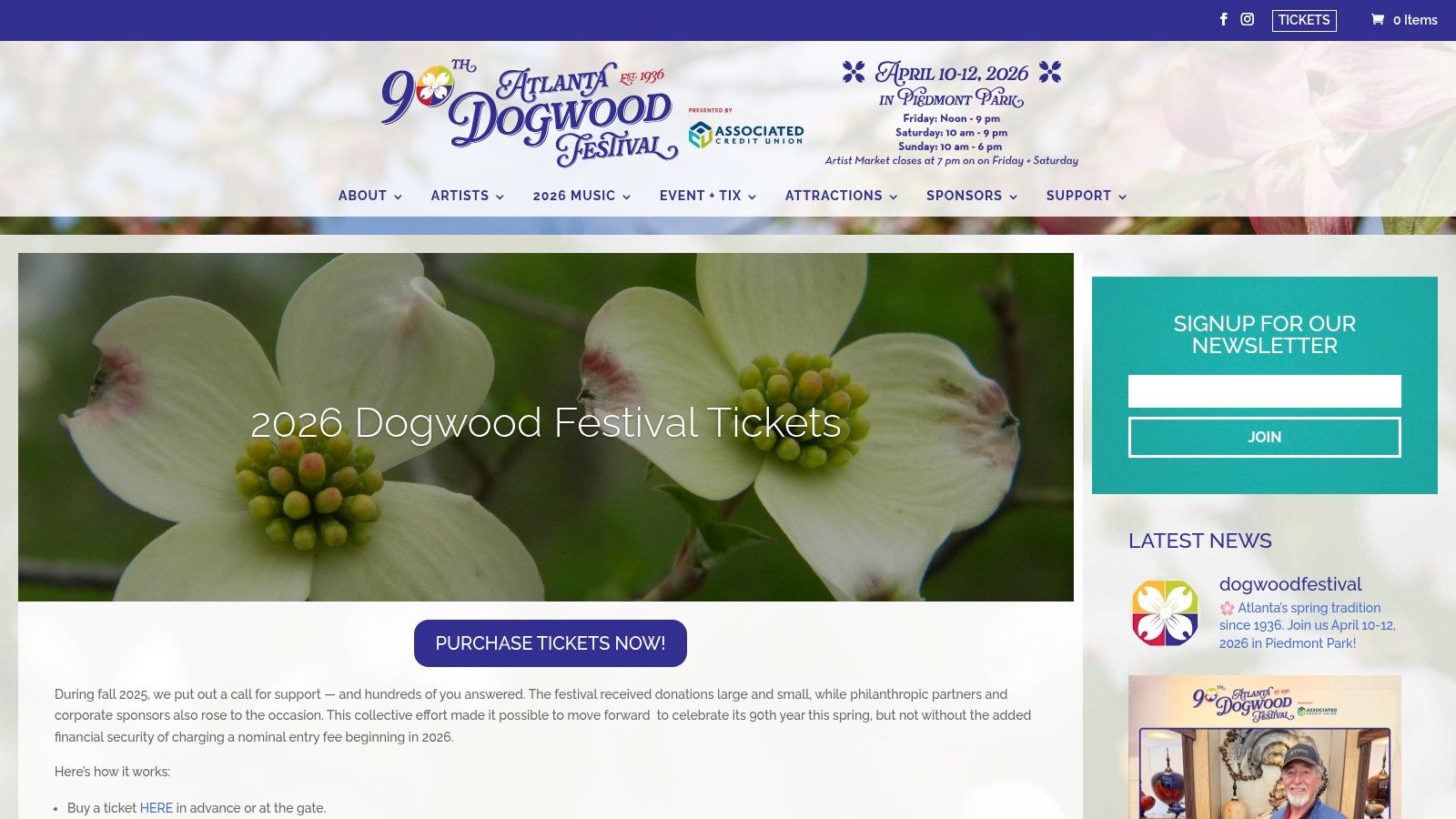
The Atlanta Dogwood Festival remains one of the city’s signature spring traditions. If you want a festival that feels distinctly Atlanta, this is near the top of the list. It combines an arts market, live entertainment, family programming, and a central Piedmont Park setting that makes it easy to fold into a full weekend in Midtown.
For attendees, the draw is simple. You get a broad mix of visual art, music, and park atmosphere without the harder edge of a pure concert festival. For organizers, though, arts festivals have their own cleanup profile. You’re not just dealing with food service trash. You’re also dealing with booth breakdown materials, display packing, damaged pallets, stretch wrap, cardboard, and leftover vendor fixtures.
What works well
The juried artist market gives the event real depth. That matters because festivals with strong vendor quality tend to hold attention longer and spread foot traffic more evenly. Multiple live music stages also help keep crowds circulating rather than compressing everything into one zone.
From an operations standpoint, multiple gate entries in Piedmont Park can help with ingress and egress, but they also complicate waste staging. If you manage a vendor-heavy event, don’t rely on one central pile area unless your team is prepared for bottlenecks.
A few practical trade-offs stand out:
- Best for mixed audiences: Families, casual festivalgoers, and art buyers can all find something useful here.
- Strong vendor appeal: Regional makers and artists tend to benefit from a crowd that’s willing to browse, not just rush from stage to stage.
- Tough parking reality: Midtown access is convenient, but onsite parking pressure is always part of the experience.
Attendees should check the official Atlanta Dogwood Festival tickets page before they go, especially because repeat visitors may need to adjust expectations around entry.
Cleanup reality after an arts festival
An arts festival usually creates more salvageable material than people expect. Cardboard from booth packaging, metal display parts, and reusable fixtures shouldn’t be tossed together with bagged trash. That’s where event teams often lose time and money. Once mixed loads hit the ground, recovery gets harder.
Practical rule: Separate vendor teardown debris from public trash before breakdown starts. If you wait until the end, your recyclable stream usually turns into landfill-bound mixed waste.
For nearby commercial properties and venue partners, quick hauling matters because surrounding corridors often need to return to normal use fast. That is especially true for buildings coordinating deliveries, tenant access, or short-turn site resets in and around Atlanta service coverage.
What doesn’t work is treating this kind of event like a simple park picnic. It isn’t. The artist footprint changes the disposal mix, and the cleanup plan has to reflect that.
2. Atlanta Jazz Festival
The Atlanta Jazz Festival is one of the clearest examples of why Popular Festivals in Atlanta Georgia are also major logistics events. Held annually over Memorial Day weekend in Piedmont Park since 1978, it has become one of the longest-running and most significant jazz celebrations in the United States, with free admission that helps make it accessible to the wider community, according to Marriott Bonvoy Traveler’s Atlanta festivals guide.
That history matters. So does the scale.
Why attendees keep coming back
The festival’s appeal is broad because the core offer is strong. Main stage performances are open to the public, and the event’s reputation is reinforced by the legendary artists associated with its history, including Ray Charles, Nina Simone, Miles Davis, and Herbie Hancock. The atmosphere is civic, musical, and intergenerational in a way few festivals manage well.
For attendees, the main drawbacks are practical ones. Peak periods get crowded. Shade can be limited. If you’re going, arrive early, pack for heat, and expect longer walks than you’d have at a ticketed venue with tighter access control. You can review programming and event details on the official Atlanta Jazz Festival website.
The month-long “31 Days of Jazz” programming also makes this more than a three-day park event. That wider footprint is great for the city, but it means support services can’t think narrowly about one weekend only.
Why organizers need a stronger waste plan
The same festival is described by Discover Atlanta as drawing hundreds of thousands of attendees over Memorial Day weekend in Piedmont Park and as one of the largest free jazz festivals in the U.S. That source also notes consistent crowds exceeding 200,000 across three days and a Piedmont Park setup that can support up to 100,000 daily capacity across 30+ acres, all without ticketed entry barriers, per Discover Atlanta’s festival listings.
A free, high-attendance event creates a specific cleanup problem. You don’t control inflow the same way you do with wristband-only or premium-ticket festivals. Waste appears across a larger, looser footprint. Public seating zones, lawn areas, food lines, backstage support areas, and vendor rows all generate different material streams.
Large free festivals need more than trash pickup. They need zone-by-zone recovery, because the waste pattern isn’t concentrated in one exit corridor.
For facilities teams and surrounding property managers, the strongest move is pre-booking post-event hauling before the weekend starts. Waiting until the last encore ends usually means competing for labor, trucks, and disposal slots. That matters for venues and commercial sites beyond the park too, including nearby areas such as Sandy Springs service coverage, where event-adjacent operations may still need fast cleanouts.
What works here is disciplined staging and clear recycling separation. What doesn’t work is assuming a beloved civic event will somehow produce a light cleanup load. It won’t.
3. Shaky Knees Music Festival
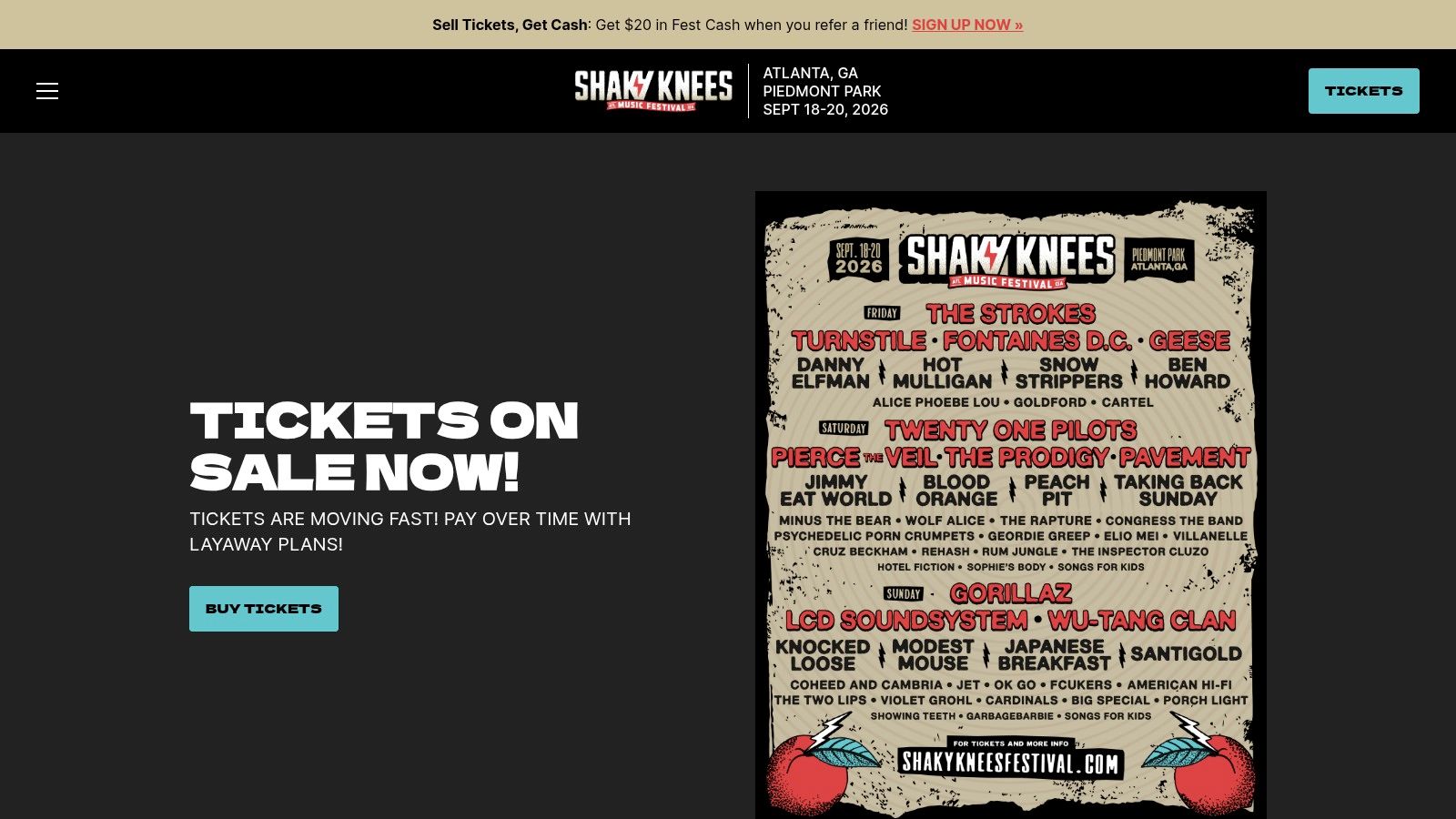
Shaky Knees is the rock-heavy option on this list. If your audience wants stacked lineups, multiple stages, and a more production-intensive festival setup, this is usually the one they circle first. It’s built for people who plan their day around set conflicts, merch lines, and food breaks between acts.
That audience mix changes the event profile.
A rock festival typically creates a faster-moving waste stream than an arts or film event. Attendees buy food quickly, move constantly, and cluster near stages. Back-of-house crews are also cycling through equipment support, barricade changes, merch restocks, and vendor replenishment. The result is more cardboard, more packaging, and more urgent end-of-night ground recovery.
Best fit and real trade-offs
The appeal is easy to understand. The festival is known for a strong rock and alternative identity, multiple ticket tiers, and an established production style that tends to attract nationally recognized lineups. Attendees also get flexibility. Some want standard access. Others want more comfort and upgraded viewing areas.
That said, the trade-offs are real:
- Production quality is a plus: People who care about sound, stage flow, and overall execution usually value this kind of festival.
- Tiered access helps with choice: Different pass levels can better match comfort expectations.
- Costs can climb quickly: Premium tiers and add-ons often turn a simple weekend plan into a bigger spend.
- Rules are tighter: Bag policies and security procedures are usually stricter than at more casual public festivals.
For current schedule and pass details, go straight to the official Shaky Knees website.
Why music festivals are tougher to clear
Music festivals often look easier to clean than they are. The visible litter is only part of the job. The bigger challenge is teardown debris after attendees leave. Signage, branded panels, cable protection, pallets, beverage service materials, broken furniture, and damaged crowd-control items all pile up quickly once crews start striking the site.
If you manage the cleanup side, one mistake shows up over and over. Teams put labor into hand-picking public trash but leave the commercial debris stream unsorted until late. That’s backwards. Public waste is more visible, but teardown debris usually takes more truck space and more sorting time.
"Sort the build materials first, then clear the surface trash." That sequence usually speeds up site reset because the bulky stuff is what clogs access lanes.
This matters for event vendors, park contractors, and nearby commercial operators who need same-week service in areas such as Roswell service coverage. If you’re coordinating staging or satellite operations, don’t wait until the site is half dismantled to call for hauling.
What works for Shaky Knees is planning for both audience waste and production waste as separate jobs. What doesn’t work is treating them as one mixed pile.
4. SweetWater 420 Fest
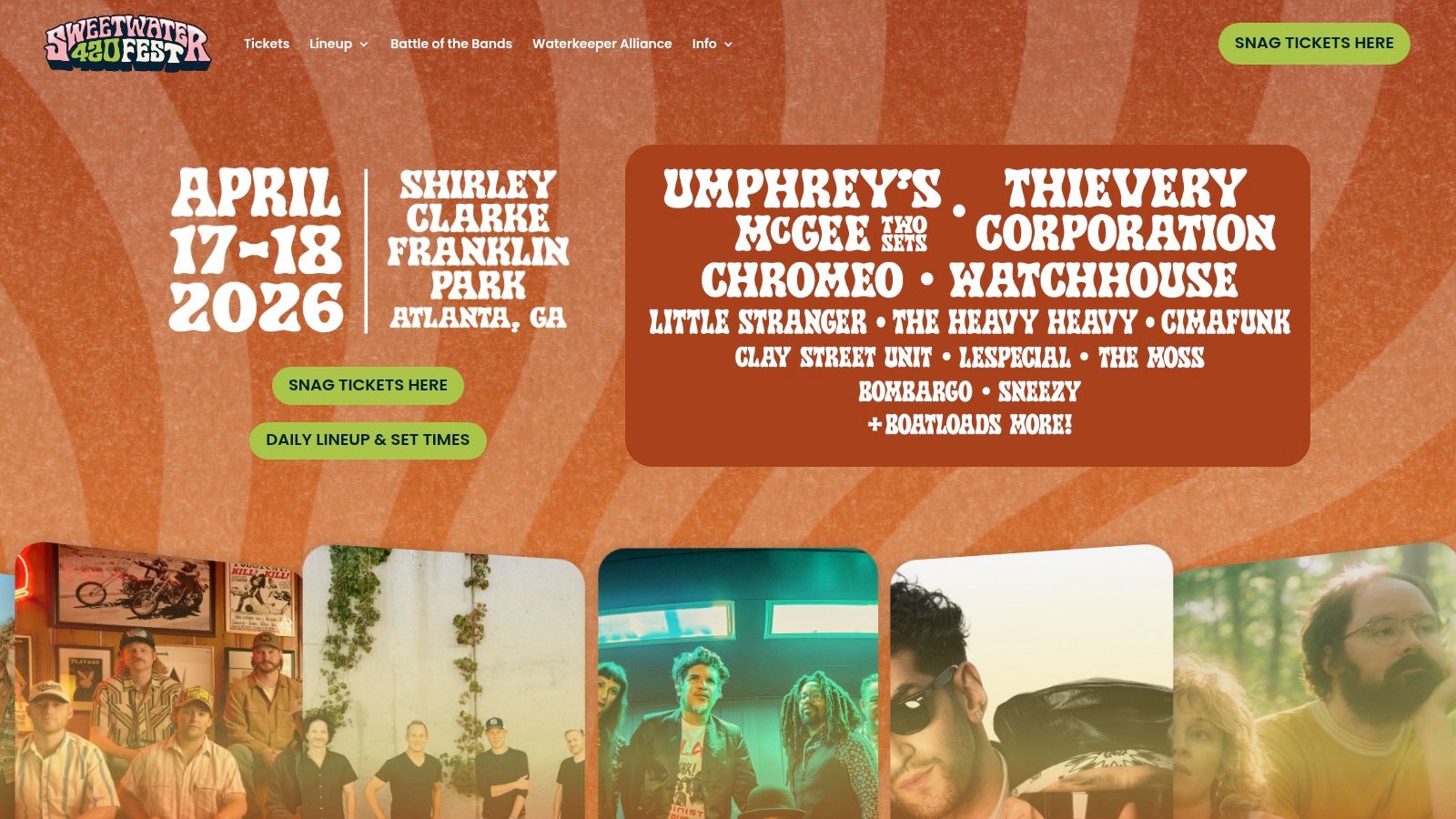
SweetWater 420 Fest stands out because the brand identity and the event identity are closely tied. That can be a strength. People don’t just attend for a lineup. They attend because they already understand the SweetWater name, the beer culture around it, and the festival’s Earth Day-adjacent positioning.
For attendees, that often means a more lifestyle-driven festival experience. For organizers, it means your sustainability language has to match your disposal practices. If a festival markets environmental values but sends mixed loads straight to landfill, vendors and sponsors notice.
Where this festival has an edge
The sustainability angle isn’t a side detail here. It’s part of the event’s appeal. That makes operational clarity more important, not less. Clear bag policies, transit guidance, and re-entry rules reduce friction for guests and reduce avoidable waste at the gates.
The 2026 relocation to Shirley Clarke Franklin Park also changes planning. New venue footprints usually expose weaknesses that didn’t matter at the prior site. Access roads, truck staging, overflow storage, and vendor breakdown timing all need to be re-tested in the field.
A few practical observations matter:
- Strong local identity: Brand recognition helps attendance and sponsor alignment.
- Sustainability is a real expectation: Guests will expect visible recycling and responsible material handling.
- Parking pressure can become the main headache: New locations often force a reset in transportation habits.
- A shorter format limits variety: A two-day event can feel tighter and more efficient, but it leaves less room for lineup sprawl.
Attendees should use the official SweetWater 420 Fest website for venue rules, ticketing, and current access details.
Sustainability claims need operational backing
In cleanup terms, beverage-forward festivals usually generate heavy streams of cans, cups, cardboard, keg-related materials, and food packaging. Those are exactly the materials that should be separated early if you want a cleaner diversion process. The mistake is assuming “green branding” automatically creates a green outcome. It doesn’t. Staff placement, signage, and haul-away coordination decide that.
One practical advantage of a sustainability-focused festival is that organizers are usually more open to bundled hauling plus recycling service. That’s the smarter model for properties and partner businesses that need both speed and documentation, especially in nearby commercial corridors such as Alpharetta service coverage.
What works is a visible separation plan for recyclables and event hardware. What doesn’t work is relying on attendees alone to sort everything correctly after a long day in the park.
5. Atlanta Pride Festival & Parade
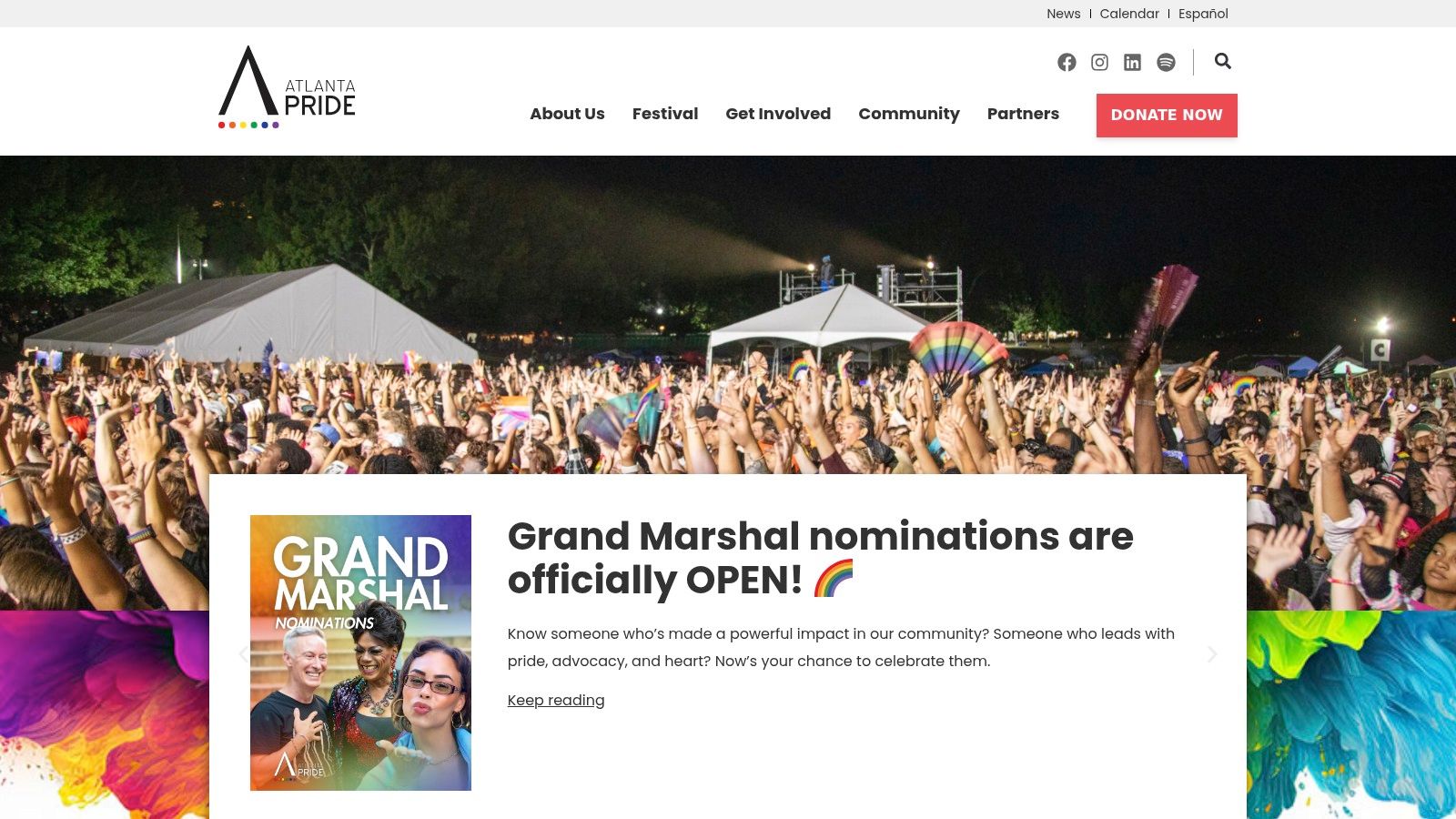
Atlanta Pride is one of the city’s major public events because it combines festival operations with parade logistics. That dual format changes everything. A park-based festival has one cleanup pattern. A parade plus festival weekend creates a much wider footprint, with street closures, crowd movement through Midtown, staging areas, and post-route debris recovery, layered on top of the park work.
For attendees, that scale is part of the appeal. The event feels civic, visible, and citywide.
Why it’s a marquee Atlanta event
The outdoor festival and parade structure gives people multiple ways to participate. Some come for the marketplace. Some come for stage programming. Others plan around the Sunday parade and the community energy around it. The broad volunteer and sponsor involvement also makes this event feel larger than a typical festival weekend.
That scale has a cost. Heavy crowds and road closures make transit planning essential. People who try to “just drive in and see what happens” usually waste time and patience.
The official Atlanta Pride website is the right place to confirm schedules, access, and current route details.
The cleanup challenge is spread, not concentrated
Parade events are hard because the waste isn’t confined to one fenced venue. You get materials left at assembly points, food and beverage waste along the route, temporary signage, barricade support items, and then the normal festival debris once guests settle into the park.
That means cleanup teams need zones with different priorities:
- Street route recovery: Fast sweeping, bag collection, and barrier-related material removal.
- Marketplace breakdown: Vendor packaging, unsold display items, cardboard, and temporary fixtures.
- Park reset: Surface litter, food service materials, backstage breakdown, and overflow haul-away.
Route cleanup and festival cleanup shouldn't be staffed as one blended task. The equipment, pacing, and access needs are different.
Another challenge is public expectation. Because Pride is community-centered and highly visible, a messy closeout gets noticed quickly. Parks, streets, and surrounding businesses all need a cleaner reset. That makes coordinated hauling useful for nearby offices, multifamily properties, and partner facilities in areas such as Johns Creek service coverage, where overflow storage, temporary event materials, or sponsor assets may need to be cleared after the weekend.
What works is dividing the event footprint into route, park, and vendor zones. What doesn’t work is sending one generalized cleanup crew everywhere and hoping they sort it out on site.
6. Atlanta Film Festival ATLFF + Creative Conference
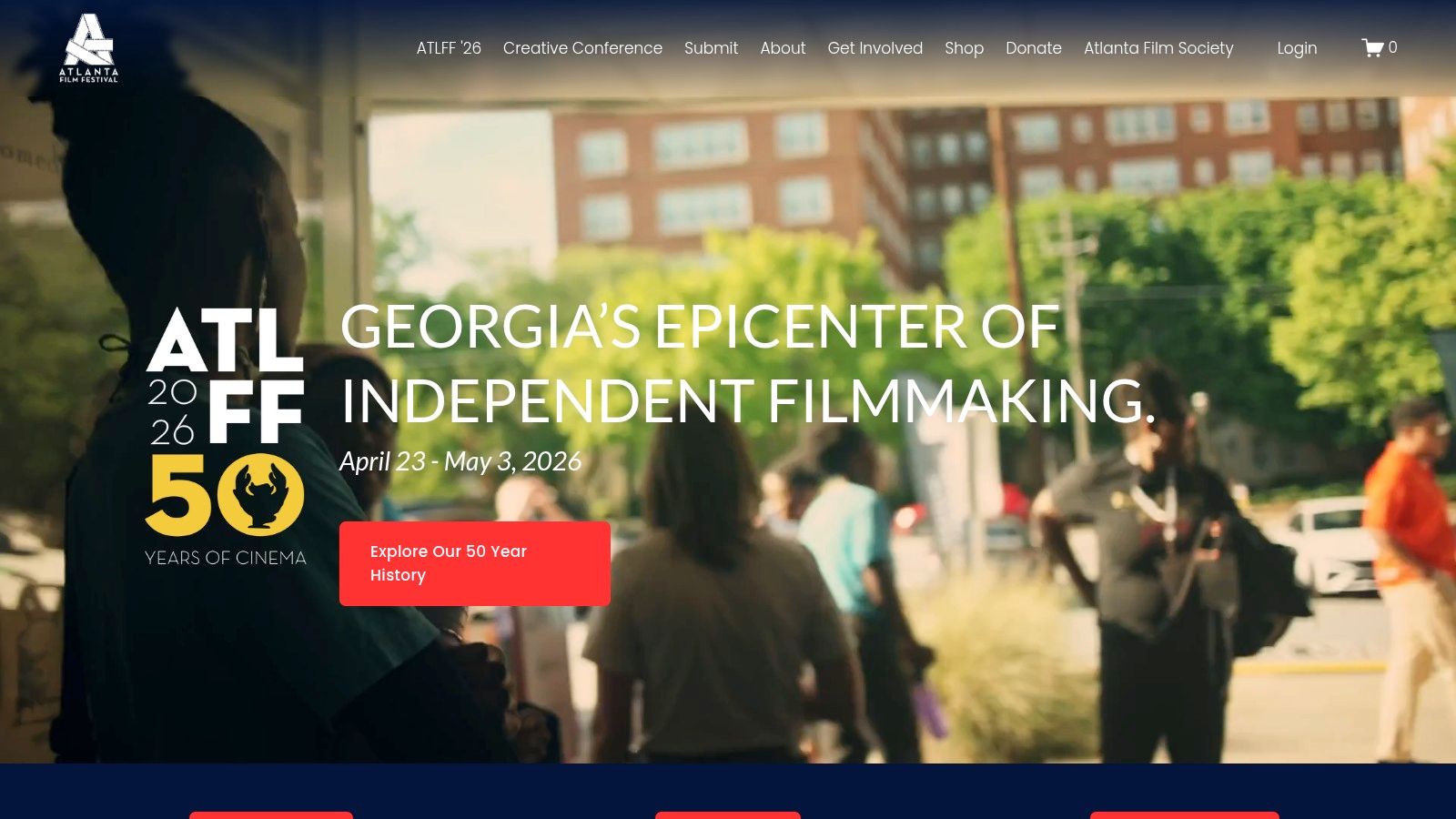
The Atlanta Film Festival has a different operating profile from the outdoor events on this list. That’s exactly why it belongs in any roundup of Popular Festivals in Atlanta Georgia. It shows how festival planning shifts when the footprint is spread across theaters, conference rooms, screening venues, and hybrid programming rather than one park.
For attendees, this event rewards planning. Popular screenings can fill fast, and your experience depends on scheduling discipline more than stamina. For organizers, the benefit is that the waste stream is usually more controlled. The downside is that multi-venue coordination gets complicated quickly.
Why film festivals are operationally different
A film festival produces less open-air litter than a large music or food event, but it can create more venue-specific back-of-house clutter. Think signage, step-and-repeat materials, packaging from sponsor activations, conference supplies, temporary furnishings, A/V support materials, and accumulated box waste from repeated venue resets.
The Creative Conference adds another layer. Networking and education programming are good for sponsors and industry guests, but they increase room turns, printed material handling, and tech support needs. If a venue manager treats conference waste and screening waste as the same category, cleanup gets messy fast.
The official Atlanta Film Festival website is the best source for badges, screenings, and conference details.
Best use case and weak points
This is one of the stronger picks for people who want culture and business value in the same event. It works especially well for creative professionals, sponsors, and teams using the festival for client entertainment or networking.
Its weaker points are mostly planning-related:
- Great for structured attendees: If you like mapping screenings and talks in advance, this format works well.
- Good fit for sponsors and partners: Hospitality and networking matter here.
- Less forgiving of late decisions: Marquee screenings and events can become harder to access if you wait.
- Venue variation changes the experience: Some locations handle traffic, concessions, and exits better than others.
From a waste-management perspective, recycling discipline can be easiest to implement here. Indoor venues make it simpler to separate cardboard, electronics-related materials, and reusable event assets. What doesn’t work is letting every venue improvise its own disposal process. Multi-site festivals need one standard closeout procedure, especially for sponsor materials and conference tech.
7. Taste of Atlanta

Taste of Atlanta is a strong choice for people who care more about chefs, restaurants, and hospitality than big-stage programming. It also serves a different function in the city’s event mix. Rather than one simple outdoor gathering, it operates as a brand with curated tasting events across dates and venues.
That format changes both the attendee experience and the cleanup strategy.
Why food festivals create a harder waste stream
Food events are rarely simple from a disposal standpoint. They generate serving ware, beverage containers, prep-area cardboard, food scraps, damaged packaging, and vendor load-out leftovers all at once. If the event spans multiple neighborhoods or venues, consistency becomes a significant problem. One site may sort materials well. Another may bag everything together.
For attendees, the appeal is obvious. You get access to a broad set of Atlanta restaurants and beverage partners in a format that works well for social groups, team outings, and client hospitality. The anniversary programming in 2026 adds even more reason to watch the calendar.
The official Taste of Atlanta website is the best place to track the different dates, participating restaurants, and ticketed event formats.
Best fit and common mistakes
Taste-driven events are best for people who want sampling, conversation, and a more hospitality-oriented pace. They’re also useful for businesses that want a client-friendly event without the intensity of a packed concert field.
A few practical trade-offs matter:
- Excellent for networking: Food events naturally support conversation and hosted outings.
- Strong restaurant participation helps variety: That’s part of the brand’s staying power.
- Ticketed structure raises the spend: Costs can add up when you layer in multiple events and premium pours.
- Details vary by event: You can’t assume every date will offer the same scale or feel.
For organizers, the weak point is often the back end. Food service waste needs earlier pulls, cleaner separation, and faster removal than many teams expect. Let it sit too long and you don’t just have a clutter issue. You have odor, pests, and a rough handoff to the venue. In this situation, an eco-conscious hauling partner matters most. If cardboard, metals, and certain reusable or recyclable materials can be separated from mixed trash, the event leaves a much cleaner footprint. What doesn’t work is treating a food festival like a standard street fair. The waste is heavier, wetter, and more time-sensitive.
7-Event Comparison of Popular Atlanta Festivals
| Festival | 🔄 Implementation complexity | ⚡ Resource requirements | 📊 Expected outcomes | 💡 Ideal use cases | ⭐ Key advantages |
|---|---|---|---|---|---|
| Atlanta Dogwood Festival | Medium, multi‑stage, juried market, ancillary events | Medium, vendor curation, park permits, volunteers | Strong local/regional attendance, artist sales, community engagement | Families, arts shoppers, regional makers | Signature tradition, curated artist market, family appeal |
| Atlanta Jazz Festival | Medium, free main stage + citywide programming, VIP add‑ons | High, city production, sponsorship, artist booking | Very large public reach, civic visibility, cultural programming | Jazz fans, community outreach, cultural institutions | Free access to high‑caliber artists, strong civic backing |
| Shaky Knees Music Festival | High, 60+ bands, multiple stages, strict security | High, large production, talent fees, security/logistics | Large music‑focused crowds, strong ticket revenue potential | Rock/alternative fans, touring acts, VIP attendees | Reliable production, nationally recognized lineups, tiered access |
| SweetWater 420 Fest | Medium, music + sustainability programming, relocated site | Medium, brand activation, beer operations, site logistics | Loyal fan turnout, brand engagement, sustainability messaging | Craft beer fans, sustainability supporters, local brand community | Strong local brand, sustainability focus, clear attendee guidance |
| Atlanta Pride Festival & Parade | High, parade routing, large volunteer & sponsor coordination | High, city permits, security, staffing for huge crowds | Massive attendance (high visibility), community mobilization | LGBTQ+ community, allies, large civic participation | Marquee inclusivity event, no general admission, broad civic support |
| Atlanta Film Festival (ATLFF) + Creative Conference | High, multi‑venue screenings, industry conference, virtual options | High, venue coordination, programming staff, industry relations | Industry exposure, networking, film premieres, badge revenue | Filmmakers, industry professionals, cinephiles, educators | Oscar‑qualifying status, strong networking and education |
| Taste of Atlanta | Medium, multiple curated tasting events across venues | Medium, restaurant coordination, ticketing, hospitality support | Culinary exposure, hospitality networking, ticketed revenue | Food lovers, hospitality teams, corporate outings | Established culinary brand, wide restaurant participation |
Beyond the Encore Smart Cleanup for Atlanta's Events
Atlanta makes it easy to enjoy festivals. The harder part starts when the crowd leaves.
Every event on this list creates a different cleanup profile. Arts festivals leave behind booth materials and packing waste. Music festivals add stage-related debris, crowd-generated litter, and tighter overnight turnaround pressure. Food events create heavier, messier streams that need faster removal. Film and conference formats produce more contained waste, but they spread responsibility across multiple venues and teams. Parades widen the footprint and complicate access.
That’s why post-event cleanup can't be treated as an afterthought. It has to be planned like security, transport, and vendor logistics. If it isn’t, the same problems show up every time. Mixed waste piles become harder to sort. Recyclable materials get contaminated. Venue resets slow down. Property managers inherit debris that should have been cleared by the event team. And the sustainability claims in sponsorship decks stop matching what happened on the ground.
The smarter approach is simple in principle, even if it takes discipline in practice.
First, separate public-facing trash from operational debris. Those are different streams and should be handled differently. Second, identify salvageable materials early. Cardboard, metals, electronics, and some event fixtures should never be buried in mixed loads if responsible recycling is an option. Third, schedule removal around teardown, not after teardown is already in chaos. The best hauling window is the one you reserve before the final day begins, not the one you scramble to find afterward.
For organizers and venues, eco-friendly cleanup also has a reputational benefit. Guests notice when a park or street recovers quickly. Sponsors notice when materials are handled responsibly. City partners notice when post-event impact is managed professionally. Clean closeouts support future permits, future partnerships, and stronger relationships with surrounding businesses.
Fulton Junk Removal can fit as a practical commercial option. Fulton handles junk removal for event-related cleanouts, and through Beyond Surplus, recyclable materials such as electronics, metals, and other eligible items can be processed more responsibly instead of being treated like one landfill-bound stream. That bundled model is useful for offices, warehouses, venues, and property managers who need cleanup plus recycling support in one workflow. It also makes sustainability reporting and compliance conversations easier because the hauling plan and the recycling plan aren’t split across disconnected vendors.
For festival organizers, the primary value is operational. One coordinated partner can help remove temporary event debris, clear vendor leftovers, haul bulky materials, and support a faster site reset. For nearby commercial properties, the benefit is just as practical. If your loading dock, parking area, storage room, or shared service corridor gets hit by event overflow, you need quick removal and straightforward communication.
Atlanta’s festival scene will keep growing because the city has the audience, the venues, and the cultural range to support it. The events that stand out long-term won’t just be the ones with the best lineup or biggest crowd. They’ll be the ones that end cleanly, recover quickly, and leave the space ready for normal use again.
If you’re planning around Popular Festivals in Atlanta Georgia, enjoy the calendar. If you’re running one, build the cleanup plan before the gates open. Fulton Junk Removal can help with pre-event hauling, post-event debris removal, and recycling-oriented cleanouts through Beyond Surplus.
If you’re organizing a festival, managing a venue, or cleaning up after a major public event, Fulton Junk Removal can help with pre-event hauling, post-event debris removal, and recycling-oriented cleanouts through Beyond Surplus. Request a free estimate to plan a cleaner, faster site reset.
