
7 Best Art Galleries in Atlanta GA for 2026
A typical Atlanta Saturday can start with a gallery stop in Buckhead and end with a pile of retired frames, dated lobby art, and broken fixtures that still need a plan. That is normal here. Gallery visits, office refreshes, estate clear-outs, and home redesigns often run together, especially when people are updating a space rather than buying a single piece.
Atlanta rewards a targeted approach. Some galleries are strongest for photography. Others do better with regional contemporary work, emerging artists, or slower, conversation-heavy visits. The best choice depends on your goal, your budget, and how much time you want on the floor with staff.
The city also has an art audience with range. Museum traffic, design businesses, collectors, and first-time buyers all feed into the same gallery circuit, so the experience tends to be more informed than visitors expect. That is useful if you want context before you buy, but it also means crowded openings are not always the best time to assess scale, framing, or placement.
Practical decisions count just as much as cultural ones. A new artwork often means an old one comes off the wall. Frames get replaced. Lighting changes. Pedestals, packing foam, outdated signage, and damaged decor start taking over a storage room fast. If that cleanup is part of the project, it helps to line up a responsible hauling option early, whether you are based in Buckhead or coordinating a larger pickup in South Fulton junk removal service areas.
This guide covers galleries worth your time, and it keeps the full lifecycle in view. Good collecting is not only about what comes in. It also includes how you clear out old materials responsibly and keep usable items out of the landfill when possible.
1. Jackson Fine Art
If photography is your focus, Jackson Fine Art is one of the clearest picks in Atlanta. It’s the kind of gallery that saves time because the specialization is obvious the moment you walk in. You’re not sorting through a mixed program trying to decide whether the photography is central or incidental. It’s the main event.
That matters for both first-time buyers and seasoned collectors. A photography-led gallery usually handles edition questions, print process discussions, framing considerations, and collection-building conversations with more precision than a generalist space. Jackson Fine Art tends to reward people who want that level of category knowledge rather than a broad decorative browse.
Why it works
The gallery’s programming is active enough that repeat visits make sense, and the Buckhead setting makes it an easy stop if you're already visiting nearby design businesses. The dedicated viewing areas and library-style features also make it stronger than a quick white-wall walk-through. You can slow down, compare works, and ask better questions.
Popular openings can feel crowded, though. If you're trying to study a print closely or talk through acquisition details, a quieter weekday visit usually works better than a social event.
- Best for photography collectors: This is the right stop if you want 20th and 21st century fine art photography, not a general contemporary sampler.
- Strongest advantage: The gallery’s focused expertise helps buyers who want informed guidance rather than broad but shallow sales talk.
- Main trade-off: If you want painting or sculpture first, this won't be the most efficient stop.
Practical rule: Visit a specialized gallery when you already know your medium. Visit a broader gallery when you're still figuring out your taste.
For homeowners and design clients, Jackson Fine Art can also trigger a practical reality. Once a new piece comes in, older wall art, damaged frames, packaging, or extra furnishings often need to go out. If you're handling that in the southern part of the metro, South Fulton cleanout support is the kind of service that keeps a gallery purchase from turning into a storage problem.
2. Alan Avery Art Company
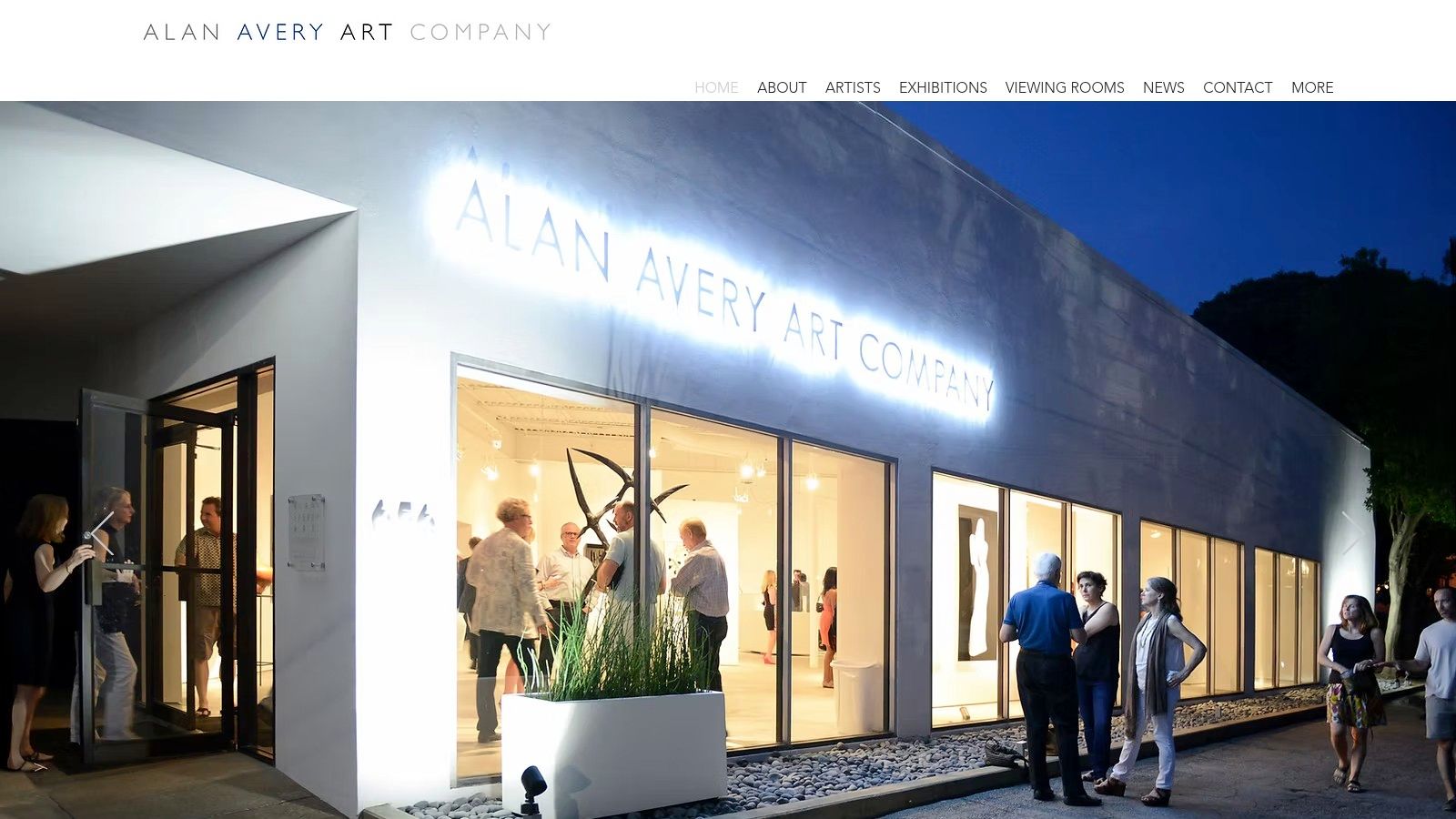
A common Miami Circle scenario goes like this. You start out looking for one piece, then realize the room may need a different frame scale, a small sculpture, or a full wall reset to make the new work fit. Alan Avery Art Company suits that kind of visit because the program spans multiple media and works well for buyers making art decisions alongside furniture and interior updates.
The advantage here is comparison. Seeing painting, works on paper, and sculpture in one stop helps collectors judge proportion, texture, and placement instead of committing too early to a single category. That is useful for newer buyers, but it also helps experienced homeowners and designers who need to solve a room rather than buy in isolation.
Best use case
Alan Avery is one of the easier galleries to build into a real day of appointments. Reliable public hours matter, especially in a design district where one delayed stop can throw off the rest of the schedule. If you are visiting with a clear shortlist, an appointment gives you more room to discuss artists and placement. If you are still sorting out direction, a walk-in visit can still be productive.
The trade-off is straightforward. Established and mid-career contemporary work can push budgets up fast, and limited evening access makes this a weaker option for casual after-work browsing.
- Best for mixed-media decision making: A strong stop if you want to compare paintings, paper works, and sculpture in one gallery.
- Best for design-day efficiency: Miami Circle makes it practical to pair gallery visits with showroom and interiors errands.
- Main limitation: Buyers with weekday-only evening availability may need to plan ahead.
This gallery also fits the article's bigger point about the lifecycle of art and decor. New acquisitions often trigger practical cleanup. Old frames, damaged hanging hardware, packing materials, and retired accent pieces have to leave before the new work can read properly in the space. If that reset is happening in North Fulton, Roswell junk removal support for art and decor cleanouts is a sensible way to handle the disposal side without turning a gallery purchase into a storage problem.
3. Spalding Nix Fine Art
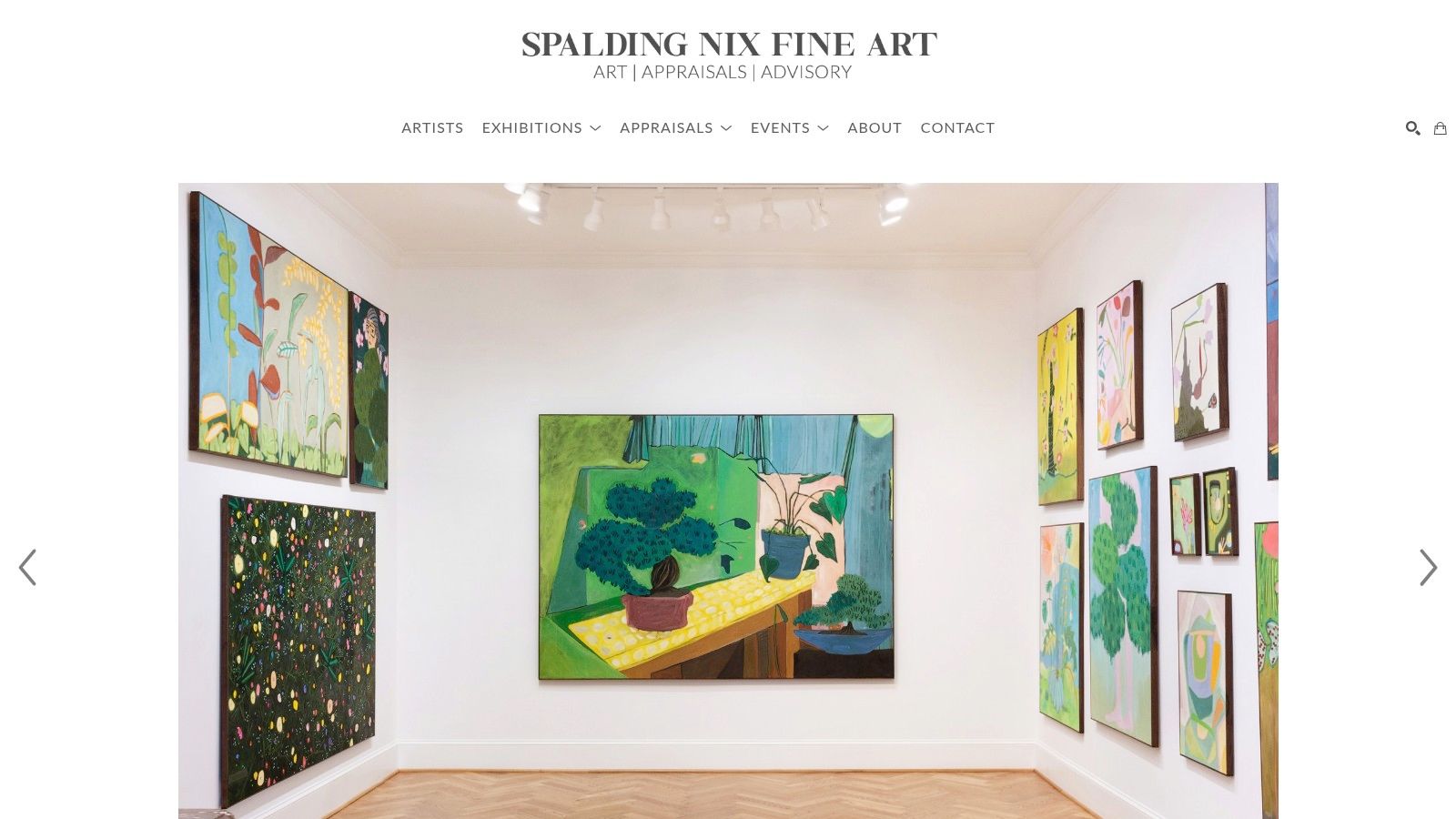
Spalding Nix Fine Art stands out because it does more than hang shows. For buyers dealing with estates, insurance questions, donations, or corporate collections, the appraisal and advisory side is a real differentiator.
That service layer changes the conversation. Some galleries are excellent at exhibition-making but less useful once you move into valuation, collection planning, or formal documentation. Spalding Nix is better suited to clients who need help before or after the purchase, not just during the browse.
Where it fits best
The regional focus is another advantage. If you want artists connected to the Southeast, this gallery is often more rewarding than a space that aims for broad contemporary coverage without a strong local point of view. The emphasis on women artists adds another layer of curatorial identity rather than a generic inventory approach.
The trade-off is simple. It isn't the easiest gallery for casual weekend wandering, and the number of exhibitions is more selective than some peers with heavier turnover.
Estate work and corporate deaccessioning usually fail in the same place. People focus on what might have value and ignore the volume of everything else that still needs to leave the property.
That’s why Spalding Nix is especially relevant to property managers, families, and office administrators. Appraisal tells you what deserves more attention. It doesn't remove obsolete displays, broken furniture, old electronics, or surplus fixtures. If you're coordinating that from the northern suburbs, Roswell cleanout services are the practical complement to the advisory side.
For anyone sorting inherited art, donation candidates, or mixed commercial interiors, this is one of the most useful galleries on the list because it helps separate cultural value from clutter without treating everything as either priceless or disposable.
4. KAI LIN ART
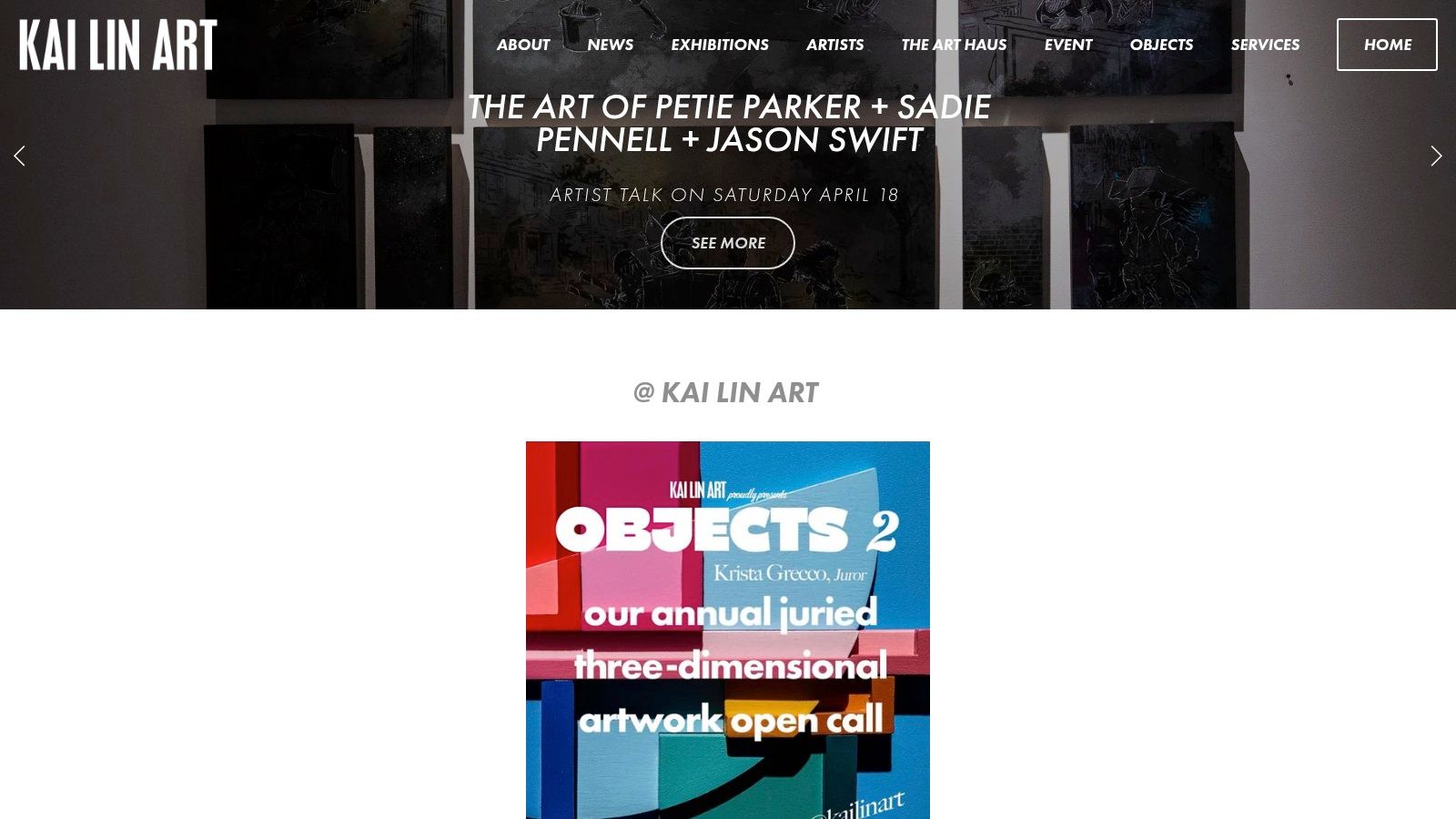
KAI LIN ART is one of the better places in Atlanta to spot emerging talent before the work starts feeling overfamiliar. The gallery has a community-facing energy that makes it more dynamic than spaces that rely only on quiet appointment culture.
That visibility helps if you want to understand Atlanta’s current art conversation rather than just its established collecting lanes. Themed exhibitions, events, and an active local presence give KAI LIN ART a more social rhythm. For some buyers, that’s a plus because it makes contemporary art feel accessible. For others, it can feel busy.
What to know before you go
Public hours are tighter than at some other galleries, so this isn't the best spontaneous weekday option unless you confirm timing. West Midtown can also be inconvenient when events, traffic, and parking stack up at once.
Still, for discovering artists tied to Atlanta and the Southeast, this is one of the stronger bets. The gallery feels tuned to momentum, which is often what collectors want when they’re looking for work that feels current rather than safely established.
- Best for discovery: Good fit if you want emerging and rising artists, especially with a local or regional connection.
- Best visit strategy: Check hours, aim for a calmer time if you want conversation, and expect a livelier atmosphere during openings.
- Main drawback: Convenience. Limited public access and peak-time parking can turn a simple visit into a minor production.
For households and offices, KAI LIN ART often represents the front end of a bigger project. New artwork can trigger a whole room reset. That usually means old side tables, extra shelving, retired monitors, leftover event materials, and packaging need to be cleared out too. In that scenario, Alpharetta junk removal options are useful when a gallery visit becomes part of a wider refresh rather than a single purchase.
5. Marcia Wood Gallery
Marcia Wood Gallery is the kind of place Atlanta needs more of. Long-running, contemporary, and consistent. It doesn't depend on novelty to stay relevant, and that stability is a real strength for collectors who value continuity over spectacle.
Located on Miami Circle, it fits naturally into a gallery-hopping route. That convenience shouldn't be overlooked. When you're comparing several spaces in one afternoon, location affects what you see. A strong gallery in the wrong place often gets skipped. Marcia Wood benefits from being easy to pair with other Buckhead stops.
Why established matters
A gallery with a long exhibition history usually offers something subtle but important. It gives buyers confidence that the program has shape. You can read patterns in the roster, see how exhibitions evolve, and understand whether a gallery is building artists carefully or just rotating inventory.
The downside is scale. This is gallery viewing, not museum viewing. Between shows, the experience can feel tighter and more selective than visitors expecting wall-to-wall volume might want.
Good gallery hopping isn't about the highest number of stops. It's about matching one focused gallery, one broad gallery, and one wildcard space to the amount of time and attention you actually have.
Marcia Wood is often that focused middle stop. It suits visitors who want serious contemporary work without needing a sprawling institutional format. It also fits design professionals who are already sourcing in Buckhead and want an art visit that feels integrated into the workday rather than detached from it.
If you're refreshing a residence, staging a listing, or replacing corporate decor after a visit here, the smartest next step is usually sorting keep, donate, recycle, and haul-away categories before everything piles up in a spare room or loading dock.
6. whitespace
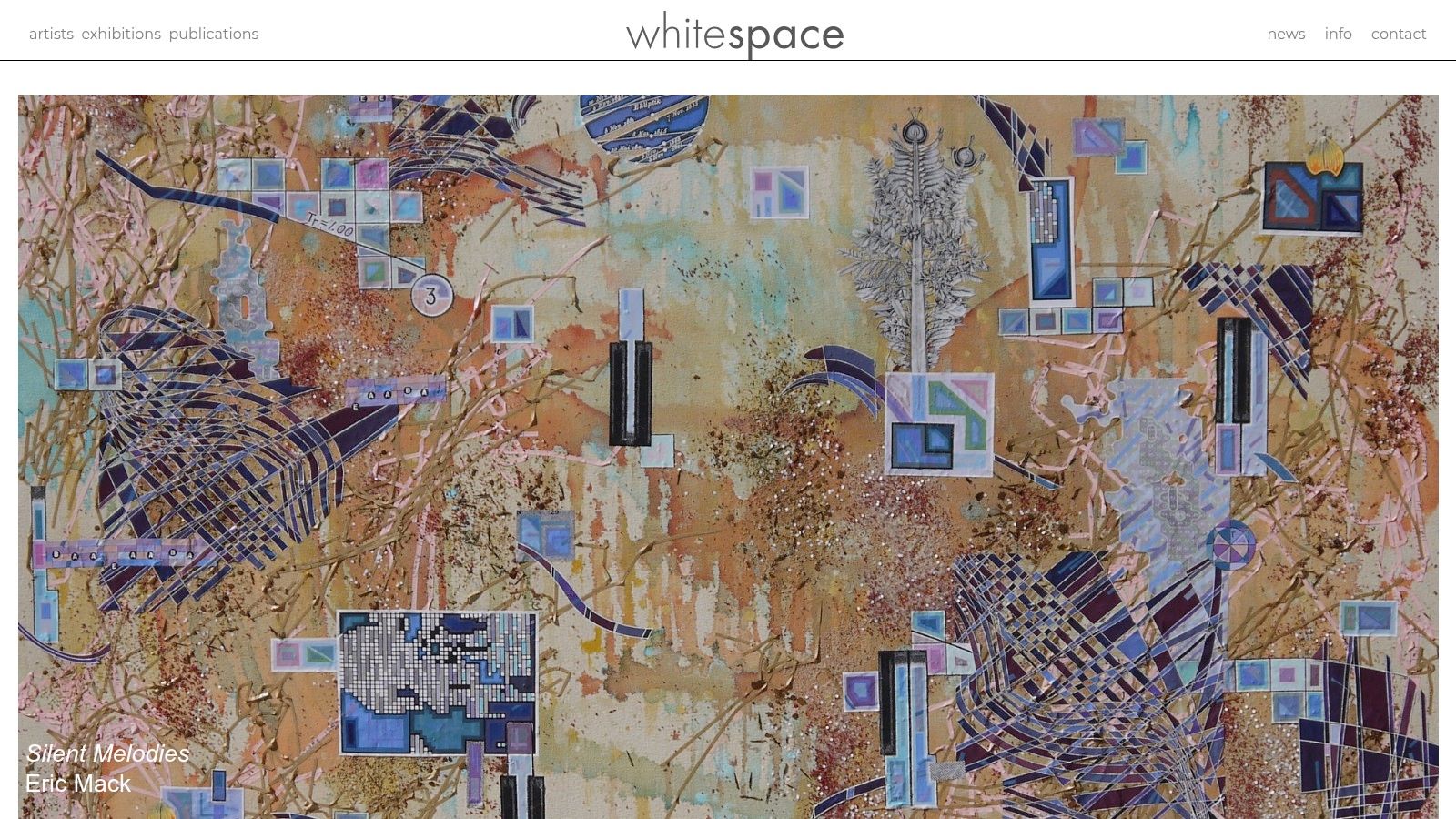
whitespace offers a different kind of gallery experience. The historic carriage-house setting changes the pace immediately. Instead of a polished, highly standardized presentation, you get a more intimate environment that suits experimental work.
That physical setting matters because context changes how people look. In a smaller, character-rich space, viewers often spend more time with fewer works. For adventurous curation, that's a benefit. It encourages slower looking and gives project-based presentations room to breathe.
Best for curious repeat visitors
whitespace is particularly strong for people who enjoy process, experimentation, and a little unpredictability. The project rooms and seasonal programming give the gallery a layered feeling. You aren't just scanning one central exhibition hall. You're moving through a sequence of smaller encounters.
The trade-off is planning. Limited public hours mean you can't treat it like an anytime stop, and the smaller footprint means what’s on view can change your impression dramatically from one visit to the next.
- Best for experimental contemporary art: Go here when you want something less conventional and more exploratory.
- Best feature: The architecture reinforces the programming instead of competing with it.
- Main limitation: Access requires a bit of intention. This isn't a default drop-in venue for every schedule.
This kind of gallery also speaks to a broader issue in Atlanta's art scene. Accessibility details remain underreported. The Artforum Atlanta guide context highlights a broader gap in practical visitor information around accommodations, quiet programming, and inclusive planning. For anyone organizing group visits, tenant events, or building programming, that missing detail can matter as much as the art itself.
7. Atlanta Contemporary

Walk in on a free afternoon, spend 30 minutes with one strong show, and Atlanta Contemporary starts to make sense. This space works best as a regular check-in point for people who want to stay close to current ideas in Atlanta art without the pressure of a sales floor.
Atlanta Contemporary earns its place on this list because it fills a different role than a commercial gallery. It is one of the city’s most useful venues for seeing new work, testing your own taste, and tracking how artists, curators, and public programming are shaping the local conversation. For students, younger collectors, designers, and anyone building visual literacy, that matters.
The trade-off is straightforward. If your main goal is to buy work on the spot, other galleries on this list are more direct. Atlanta Contemporary is stronger as a place to look carefully, return often, and sharpen judgment before you purchase, commission, or rework a space at home or at the office.
That wider perspective connects to the full lifecycle of art and decor. A visit here often sparks practical decisions later. Reframing older pieces, replacing dated lobby installations, clearing damaged display materials, or removing worn fixtures after an event. For those situations, local Atlanta junk removal and recycling support helps handle the disposal side responsibly instead of sending everything straight to landfill.
If the project involves collection care, transport planning, or installation standards, expert fine art services are a useful complement. Atlanta Contemporary gives you the cultural context. The service side determines what happens to the pieces, frames, hardware, and materials already in your space.
Top 7 Atlanta Art Galleries Comparison
| Gallery | 🔄 Complexity | ⚡ Access & Time | 💡 Ideal Use Cases | 📊 Expected Outcomes | ⭐ Key Advantages |
|---|---|---|---|---|---|
| Jackson Fine Art | Moderate, specialized photography focus; advising available | Good, free to visit; 9–12 shows/yr; openings can be crowded | Collectors seeking 20th–21st century fine art photography and advisory services | High-quality photographic acquisitions and institutional-grade provenance | Deep photography expertise; new 4,000 sq ft space; robust programming |
| Alan Avery Art Company | Low–Moderate, broad media and predictable operations | Efficient, Tue–Sat hours; showroom supports quick visits and appointments | Buyers seeking painting, works on paper, or sculpture with easy drop‑in access | Diverse acquisitions across media and steady collector support | Wide-ranging program; central Miami Circle location; collector-friendly showroom |
| Spalding Nix Fine Art | Moderate, curated regional focus with formal advisory/appraisal services | Limited, primarily weekdays; six shows/yr with talks and online events | Collectors needing accredited appraisals or those exploring Southeastern artists | Informed purchases with appraisal support; strong regional discoveries | Accredited appraisal and advisory services; emphasis on women/Southeastern artists |
| KAI LIN ART | Moderate, open submissions and community programming; limited public hours | Moderate, Thu–Sat public hours; lively openings may require planning | Discovering emerging Atlanta/Southeast artists and community-engaged work | Early-career artist finds and strong local network connections | Award-recognized programming; high visibility in local arts scene |
| Marcia Wood Gallery | Low–Moderate, established program across multiple media | Convenient, Miami Circle location; limited weekend hours | Collectors seeking established regional and national contemporary artists | Consistent acquisition opportunities from recurring solo/group shows | Longstanding reputation; steady, reliable exhibition schedule |
| whitespace | Moderate, multiple project rooms and experimental curation | Limited, Thu–Sat hours; small, rapidly rotating exhibitions | Viewers seeking intimate, experimental, and site-specific projects | Exposure to adventurous curatorial formats and emerging artists | Unique historic setting; varied project spaces and pop‑up programming |
| Atlanta Contemporary | Low, nonprofit institutional operations with public programs | High, free daily admission and regular public programming | General public, students, researchers, and trend-seekers | Broad access to contemporary practice and educational engagement | Major nonprofit anchor; free admission and strong public programming |
Final Thoughts
The best gallery in Atlanta isn't the one with the biggest reputation. It's the one that matches your purpose. Jackson Fine Art is the smart choice when photography is your top priority. Alan Avery Art Company and Marcia Wood Gallery are strong when you want broader contemporary viewing in Buckhead. Spalding Nix Fine Art is especially useful when advisory, appraisal, estate, or donation questions are part of the picture. KAI LIN ART brings energy and discovery. whitespace rewards curiosity. Atlanta Contemporary keeps the whole scene accessible.
Practical trade-offs matter. Some galleries are easier to browse casually. Some are better by appointment. Some suit collectors who want transaction-ready guidance. Others are better for learning and exposure. If you treat every gallery the same, Atlanta can feel uneven. If you choose by medium, neighborhood, and goal, the city becomes much easier to experience.
There’s also a missing piece that most roundups ignore. Art has a lifecycle. People buy new work, inherit old work, rotate displays, renovate interiors, downsize offices, close retail spaces, stage homes, and clear estates. That process creates a lot of physical leftovers. Frames, pedestals, damaged furniture, outdated electronics, packaging, décor overflow, and storage-room backlog don't disappear just because the art decision is exciting.
That’s where a more grounded approach helps. Keep what belongs in the collection. Get appraisals when value is unclear. Donate usable items when appropriate. Recycle what can be responsibly processed. Haul away the rest without defaulting to the landfill if a better option exists.
Atlanta’s art scene also benefits from that mindset. The same city that supports major institutions and active galleries also needs better habits around reuse, recycling, and practical stewardship. For homeowners, property managers, facilities teams, and office administrators, that isn't an abstract sustainability goal. It's day-to-day operations.
If you're building a gallery route, keep it realistic. Pair one destination gallery with one neighborhood-friendly stop and one wildcard. Leave time to look carefully. Ask questions. And if the visit turns into a redesign, move, office reset, or estate cleanout, plan the disposal side as carefully as the acquisition side. That's usually the difference between a smart art project and a messy one.
If your gallery visit turns into a real cleanout, Fulton Junk Removal can help you finish the job responsibly. The team handles home, office, retail, warehouse, and property cleanouts across metro Atlanta, and because Fulton works with Beyond Surplus, recyclable materials like electronics and metals can be processed through a more circular system instead of being treated like ordinary trash. That’s a strong fit for homeowners replacing old decor, property managers clearing units, and businesses removing outdated fixtures, event debris, or surplus equipment while keeping sustainability and compliance in view.
