
The 7 Best Breweries in Atlanta GA for 2026
You can waste a lot of time planning an Atlanta brewery day if you treat the city like one big beer district. A few pins on a map look close until parking gets tight on the BeltLine, your group splits on food options, and the lager drinker ends up at a taproom built for sour fans.
Atlanta has enough range that the better question is fit, not hype. The right stop depends on neighborhood, crowd level, transit access, and whether you want a quick pint, a full meal, or a place that can hold a larger group without feeling chaotic. That is why this guide organizes the best breweries in Atlanta, GA by vibe and location instead of ranking them in a vacuum.
Use it like a practical tour. West End works well for a bigger outing. Decatur rewards people who care about style specificity. Summerhill and the Eastside can make more sense if your group wants beer plus skyline views or stronger food options. If you are coordinating visitors coming in from outside the core city, nearby service areas like South Fulton can affect drive times more than the mileage suggests.
Beer style still matters. So does how the beer is served, and the right beer glassware can change how a pour drinks. But in Atlanta, logistics matter just as much. Some breweries are best for patio afternoons. Some are better for focused tasting visits. Others trade a little intimacy for easier parking, more seating, and a setup that works for birthdays, work meetups, and community events.
That last point matters to breweries too. Event-friendly spaces bring traffic and revenue, but they also create more operational pressure around waste handling, resets, and sustainability. I keep that lens in mind throughout this guide, then address it directly in the closing section on keeping Atlanta's breweries clean and green.
Here are the seven breweries that deserve a spot on your shortlist.
1. Monday Night Brewing – The Garage
If your group wants one brewery that can handle different tastes without feeling bland, Monday Night Brewing’s The Garage is one of the safest picks in town. This West End location leans into barrel-aged beer and sours, but it doesn’t trap you in a niche experience. The tap list usually gives enough range that the mixed-fermentation fan, the casual lager drinker, and the person ordering a cocktail can all have a good visit.
The setting is a big part of the appeal. It’s a destination-style space with indoor and outdoor seating, direct BeltLine access, and enough room that it works for families, dog owners, and small groups that don’t want to stand shoulder to shoulder all evening. Food matters here too. The wood-fired pizza program makes this feel like a place to stay, not just a place to sample and leave.
Why it works
The Garage is strongest when you treat it like a full outing instead of a quick stop. The sour and barrel focus gives it a more distinct personality than a lot of broad-market taprooms, and the one-off releases are often the reason beer-focused visitors make the trip.
What works well here:
- For mixed groups: Beer, cocktails, and zero-proof choices keep the menu from narrowing the audience.
- For Westside plans: BeltLine access makes it easy to combine with a walk or a multi-stop afternoon.
- For food-first visitors: Wood-fired pizzas hold their own, which isn’t true at every brewery.
What doesn’t work as well:
- For hop-only drinkers: If someone in your group only wants crisp West Coast IPA after crisp West Coast IPA, this may not be their ideal home base.
- For easy weekend parking: Popular hours can create a backup in both lines and nearby parking.
Practical rule: If you want a more relaxed experience here, go earlier in the day or build your West End stop around off-peak hours.
There’s also a business angle worth noting. Large, event-friendly brewery spaces create cleanup pressure fast, especially when patios, food service, and special releases all converge on a busy weekend. That’s one reason commercial support matters in this part of the city. Teams managing nearby venue turnover or post-event hauling in the area often need fast, localized service, especially across South Fulton commercial cleanout routes.
Best fit
The Garage is best for groups, for visitors who want a brewery with real atmosphere, and for drinkers who appreciate barrel work or sours but don’t want a precious experience. It’s less ideal for a quick pint on a crowded weekend night. Go when you have time to settle in.
2. Halfway Crooks Beer
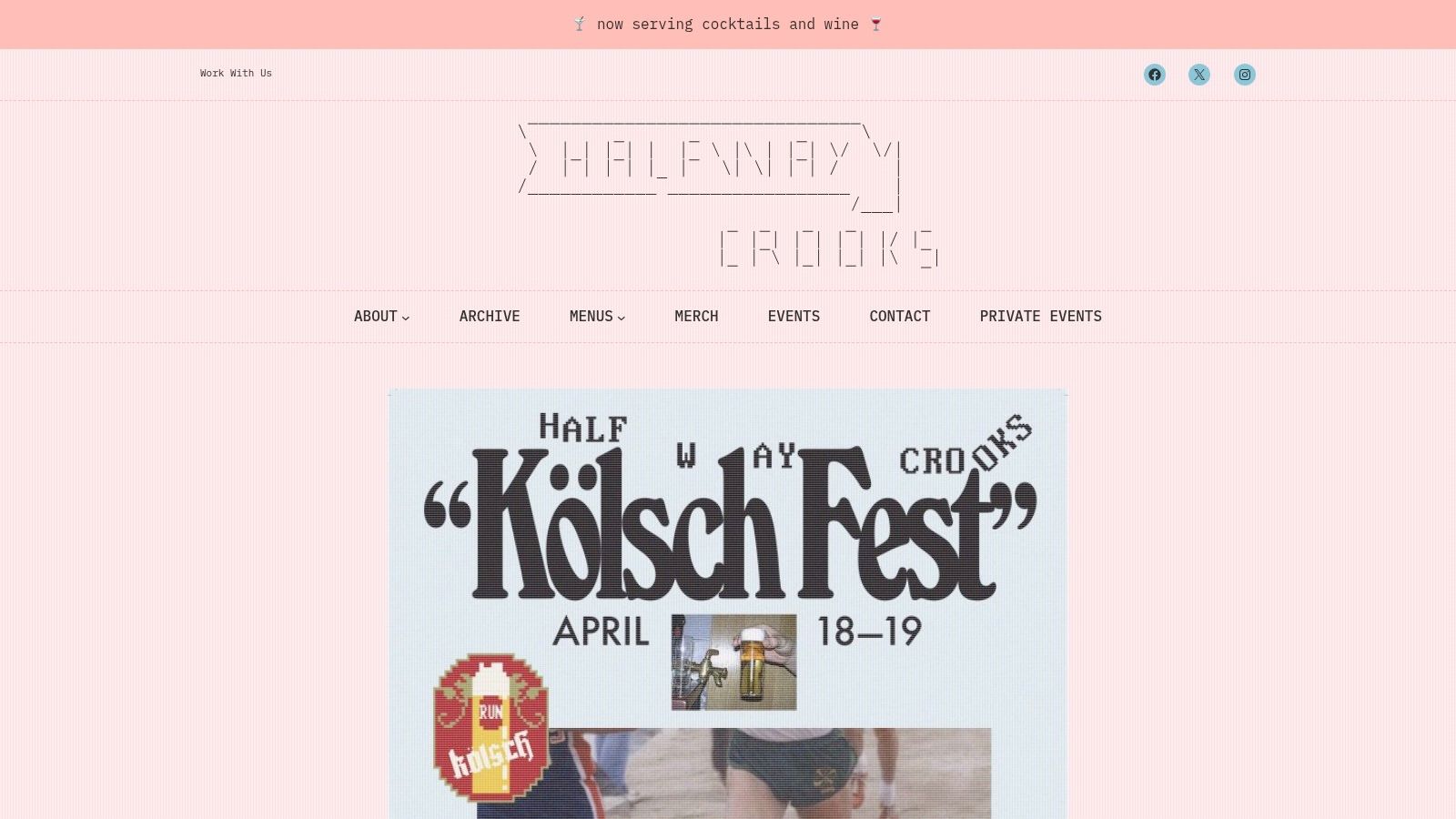
You finish a long walk through Summerhill, the group wants a beer, and nobody is asking for a syrupy imperial stout or a tap list with 20 lookalike IPAs. Halfway Crooks is the stop I send people to in that situation because it knows its lane and executes it well. The focus on lager gives this place a clear identity, and in Atlanta, that kind of restraint stands out.
Halfway Crooks in Summerhill is built for drinkers who care about precision. The beer list centers on European-style lagers such as pils and helles, and that puts pressure on the brewery in a good way. Clean beer leaves very little room for flaws. If the brewing is sharp, you taste it immediately. If it is off, you notice just as fast.
The room also works harder than it first appears. You can sit in the café-style taproom for a quieter round, head up to Dak Bar for more energy, or use the biergarten when the weather cooperates. That mix makes it easier to recommend by vibe, not just by beer style, which matters if you are planning an Atlanta brewery day by neighborhood instead of chasing hype releases across town.
A few practical trade-offs matter here:
- Best for lager fans: This is one of the clearest picks in the city for crisp, balanced beer and repeatable quality.
- Best for a measured pace: The setting feels social, but not chaotic, especially earlier in the day.
- Less ideal for checkbox tourists: If your goal is a huge tap board or a loud production brewery feel, this may read too restrained.
- Less ideal on busy Summerhill weekends: Parking can tighten up fast, and event traffic around the neighborhood changes the experience.
For visit planning, I treat Halfway Crooks as a strong anchor on the south side rather than a casual add-on. It works well before dinner, after a stadium-area outing, or as a first stop before moving east or north. If you are organizing a broader city route, these Atlanta service area logistics are also relevant for operators handling event setup, patio turnover, or post-service cleanup in intown neighborhoods.
There is a real B2B lesson here too. Breweries with multiple seating zones and outdoor service create more cleanup variables than their footprint suggests. Glass collection, food waste, and quick resets between private gatherings all become more complicated when guests are spread across a rooftop, biergarten, and indoor bar. Teams that plan events sustainably usually do better when waste handling and end-of-night clearing are built into the operating plan, not treated as an afterthought.
Halfway Crooks rewards attention. Go here for polished lager, a neighborhood setting, and a brewery experience that feels intentional rather than oversized.
3. New Realm Brewing Co. (Atlanta)
A common Atlanta planning problem goes like this. One person wants a serious beer list, another wants a full meal, someone else wants rooftop views, and nobody wants to stand around waiting for a table. New Realm is one of the few breweries in the city that handles that mix well.
Its Eastside BeltLine location is built for volume, but it does not feel careless. The draw is range. You get house beer, cocktails, spirits, a full kitchen, live music, and enough seating variety to make group decisions easier than they are at smaller taprooms. For visitors mapping a neighborhood-based brewery day, this is the stop that fits best when your route runs through the BeltLine corridor and your group wants one place that can carry the afternoon into dinner.
Best use case
New Realm works best as a destination stop rather than a quick pint. Groups do well here because the venue removes common friction points. There is food for people who are not beer-focused, more structure for reservations and private gatherings, and enough space that a corporate meetup or birthday outing does not feel squeezed into a corner.
The trade-offs are clear:
- Best for mixed groups: Beer fans, casual drinkers, and food-first guests all have solid options.
- Best for planned outings: Private event capacity and a more polished service model make scheduling easier.
- Less ideal for quiet catch-ups: Noise rises quickly when live music is on and the rooftop fills up.
- Less ideal for easy parking at peak times: BeltLine traffic can turn arrival into the hardest part of the visit.
That last point matters more here than at many Atlanta breweries. If you are driving, build in extra time and expect competition for nearby spots on high-traffic evenings and weekends. If you are organizing from outside the city and comparing support options across the metro, nearby operational coverage in places like Roswell commercial cleanup service areas can also matter for brands managing off-site inventory, event materials, or post-event hauling beyond intown Atlanta.
New Realm also stands out from an operator perspective. A venue with multiple bars, a kitchen, rooftop service, private events, and live entertainment creates a heavier reset burden than a standard taproom. Staff are not only clearing glasses. They are handling food waste, disposable service items, décor breakdown, and fast patio turnover, often on the same night. Breweries that host frequent events tend to run better when recycling flow, back-of-house staging, and end-of-night pickup are planned before the calendar fills up.
Who should go
Choose New Realm if convenience, amenities, and atmosphere all matter. It is a strong fit for out-of-town guests, work gatherings, and groups that want a polished brewery experience without giving up Atlanta energy.
Go elsewhere if your priority is a quieter, beer-first room with less crowd pressure. For a high-capacity brewery stop in a central neighborhood, New Realm remains one of the safest recommendations in the city.
4. Three Taverns – The Imaginarium
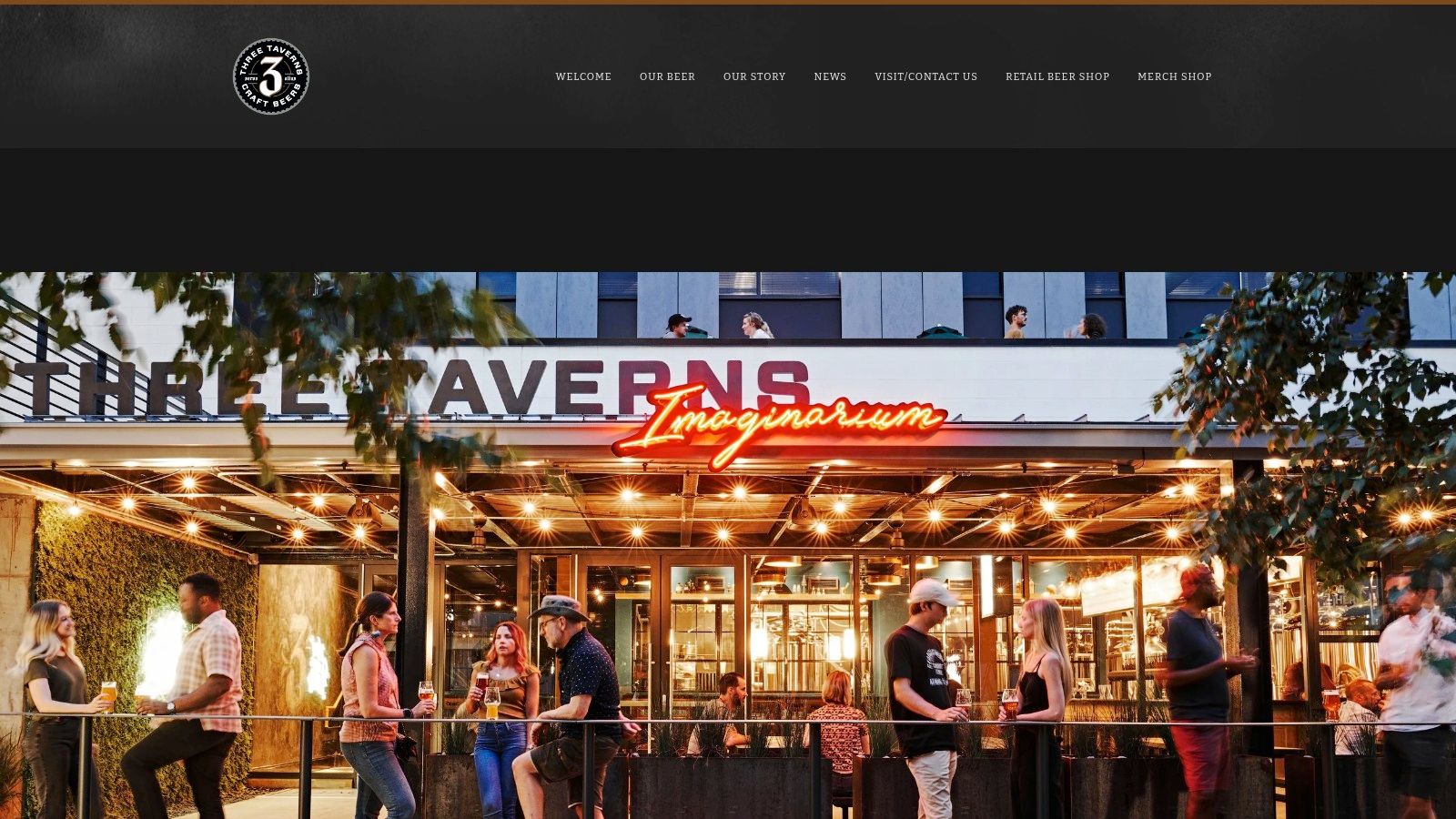
Three Taverns built its reputation in Decatur, but The Imaginarium gives Atlanta drinkers a more experimental in-town option. If you enjoy breweries that rotate heavily and push beyond a stable comfort zone, this is one of the most interesting stops on the list. It’s less about checking off flagship beers and more about seeing what the brewhouse is doing right now.
That distinction matters. Some brewery visits are about reliability. The Imaginarium is better when you show up ready to explore. Weekly programming like trivia and gaming nights helps the place feel active even when your main reason for visiting is the beer itself.
Why adventurous drinkers like it
A changing tap list creates both excitement and risk. You might find something inventive that becomes the highlight of your week. You might also hit a menu that doesn’t line up with your preferences. That’s the honest trade-off with experimental breweries, and it’s exactly why some people love them.
Here’s where The Imaginarium stands out:
- For variety seekers: Rotating and limited releases make repeat visits more rewarding.
- For event-night energy: Trivia and other programming give it built-in momentum.
- For practical access: Atlanta Dairies parking and validation remove a common intown headache.
- For conservative drinkers: It can feel less predictable than a classic brewpub.
There’s also a geographic advantage. If you already know the Decatur flagship, the Atlanta location gives you a different reason to revisit the brand instead of duplicating the same experience. That kind of two-location contrast is useful in a city with many brewery choices competing for the same weekend attention.
How to approach the tap list
Go with a sampler mindset. This isn’t the place to stubbornly order the same type of beer every time. Experimental houses reward flexibility, especially when the brewers are treating the list as a live lab rather than a static menu.
Try one familiar style first, then branch out. That approach keeps the visit grounded and gives you a better read on whether the brewery’s experimental side matches your taste.
For metro visitors building brewery days that start outside the core, Roswell area cleanout and hauling coverage is another reminder that Atlanta’s brewery culture connects to a much larger service footprint. That matters for event operators, property teams, and hospitality managers working across multiple sites, not just one neighborhood.
The Imaginarium isn’t Atlanta’s safest brewery recommendation. It’s one of the most rewarding if you want discovery.
5. Wrecking Bar Brewpub
You’re in Atlanta for one brewery stop before dinner plans harden, and the group is split. One person wants a serious tap list, another cares more about the food, and nobody wants to stand in a loud warehouse for two hours. Wrecking Bar Brewpub solves that problem better than almost any brewery on this list.
Set in a historic Victorian house near Little Five Points and Inman Park, Wrecking Bar feels grounded in its neighborhood instead of dropped into it. The room has actual warmth, the kitchen gives the visit a clear center, and the beer program rewards people who want more than a quick flagship pour before heading elsewhere.
I recommend it most often to visitors who want one complete evening rather than a brewery crawl. That is a different assignment, and Wrecking Bar handles it well.
What makes it stand out
The beer list covers real range without reading like a branding exercise. You can find classic styles, darker beers, lagers, and stronger specialty pours on the same menu, which matters if your group does not all drink the same way. Some Atlanta breweries win by narrowing their focus. Wrecking Bar wins by giving a broader table confidence that everyone will find a fit.
The food matters just as much here. This is not a place where the kitchen exists to support the bar. The brewpub format gives you a better option for date nights, client dinners, and mixed groups that want a brewery experience without sacrificing the meal.
For private gatherings, the event setup is also stronger than what you get at many taprooms. Separate rooms create more control over noise, flow, and guest experience. For brewery operators and event teams, that matters beyond hospitality. A multi-room venue can reduce waste from over-ordering, simplify staffing zones, and make cleanup easier when paired with broader service-area support for hauling and site logistics. That kind of operational thinking fits the sustainability conversation Atlanta breweries are having more often.
A few practical trade-offs:
- Best for a full night out: Strong choice for dinner-first brewery visits.
- Best for neighborhood character: The historic setting gives it more personality than a standard production taproom.
- Less convenient for drivers at peak times: Parking around Little Five Points and Inman Park can be tight, especially on weekends.
- Less useful for a fast hop: Service is part of the appeal, so this stop works better when you give it time.
How to plan the visit
Go earlier if parking friction will affect the mood of your group. Rideshare is often the easier call here, and MARTA access is workable if you do not mind a short last-leg ride or walk from the station area. If you are organizing a neighborhood-based beer day, Wrecking Bar fits best as the deliberate stop, not the filler between bigger names.
Choose it when the goal is conversation, a real meal, and beer with breadth. In Atlanta’s brewery scene, that combination still stands out.
6. SweetWater Brewing Company (Atlanta taproom)
Your group has one free afternoon in Atlanta. Some people want a brewery with name recognition, some want a tour, and some just want good beer and enough space to settle in. SweetWater usually solves that planning problem better than smaller, more niche stops.
The Atlanta taproom and event venue earns its place on this list because it covers a lot of ground in one visit. You get the city’s best-known brewery brand, a broad draft lineup, food, regular programming, and a setup that works for both casual drinkers and people who want the fuller production-side experience. For first-time visitors, that range matters.
SweetWater also fits this guide’s neighborhood-and-vibe approach in a very specific way. This is not the stop I use for a quiet, hyper-local feel. It is the stop I use when the group needs a dependable flagship brewery with enough scale to absorb different expectations without feeling disorganized.
Why it works for first-timers and mixed groups
Some Atlanta breweries are better once you already know what kind of beer day you want. SweetWater is easier to recommend before the plan gets that specific. The brand is familiar, the experience is straightforward, and the tour format gives newer craft beer drinkers some context without making the visit feel like homework.
That scale creates trade-offs too. A packed music night can change the mood completely, and a brewery this well known will rarely feel like a hidden find. If your priority is intimacy or deep conversation with the staff, other stops in this guide do that better.
A few practical realities:
- Best for out-of-town guests: It gives people a fast read on Atlanta beer culture.
- Best for broad appeal: Beer, food, tours, and events make it easy to please a mixed group.
- Less ideal for low-key visits: Event nights can be loud and crowded.
- Less ideal for last-minute planning: Reserve ahead if the tour is part of the reason you are going.
Best bet: Use SweetWater as the anchor stop when your group wants one brewery that feels established, easy to understand, and worth the trip even for non-beer nerds.
Practical planning
Check the event calendar before you go. That single step will tell you a lot about how the room will feel, how hard parking may be, and whether the visit makes more sense as an early stop or the main event of the day. If your route includes several breweries, SweetWater usually works best as the planned destination, not the casual pop-in.
For brewery operators, SweetWater also highlights a broader operational point. Large taprooms with kitchens, tours, concerts, and private events produce more back-of-house friction than a simple tasting room. Waste sorting, post-event cleanup, and service-lane access all affect guest experience once the crowd arrives. Teams planning support across multiple metro locations can review Atlanta-area hauling and site logistics coverage as part of that process.
SweetWater is one of the safer recommendations in Atlanta. In this case, safe does not mean boring. It means reliable, flexible, and still useful when you need a brewery that can handle real-world group logistics.
7. Wild Heaven Beer – West End
A common Atlanta beer-day problem is easy to spot. Eight people agree on a brewery, then half the group wants patio space, one person wants wine, someone else needs food options, and nobody wants to spend the afternoon waiting for seats. Wild Heaven’s West End location solves that problem better than most stops on this list.
The advantage starts with the setting. Lee + White gives Wild Heaven BeltLine Westside Trail access, room to spread out, and a layout that works for longer stays instead of quick pours and a reset. For visitors planning by neighborhood and vibe, this is one of the strongest picks on the southwest side of the city, especially if the day includes walking the trail or meeting people from different parts of town.
Beer is still the draw, but usability is its primary selling point. The tap list is broad enough for mixed preferences, and the wider beverage program helps when your group is not made up entirely of brewery regulars. Georgia farm wines, coffee service, outdoor seating, and event space make this a practical choice for birthdays, casual client meetups, and low-pressure group outings.
Why it works
Wild Heaven handles mixed groups with less friction than smaller taprooms. The patio matters, but so does the overall flexibility. People can order different kinds of drinks, settle into indoor or outdoor space, and stay for a while without the visit feeling cramped or overly scheduled.
That flexibility also matters on the operations side. Event-capable breweries create more post-service cleanup, more packaging waste, and more strain on guest areas after brunches, private rentals, and music nights. Brewery teams that want to improve event sustainability usually get the best results from clear waste-station placement, fast patio reset procedures, and service plans that account for heavy outdoor traffic.
Trade-offs to plan around
Wild Heaven is a smart pick when convenience matters more than a highly focused tasting-room experience.
- Best for bigger groups: The size and layout reduce the usual scramble for tables.
- Best for BeltLine days: It fits naturally into a neighborhood-based brewery route.
- Best for mixed drink preferences: Beer is central, but non-beer options are strong enough to keep the group together.
- Less ideal for a quiet pint: Busy weekends can feel more social than relaxed.
- Less ideal for rigid food plans: Food setups and partners can vary, so check ahead if that is a deciding factor.
Parking and timing make a real difference here. If you are driving, go earlier on weekends or be ready for a short walk once the Westside Trail crowd builds. If you want the best version of this stop, treat it as a social anchor in your route rather than the place where you plan to analyze every pour in detail.
Wild Heaven succeeds because it is easy to use. In a city with plenty of brewery options, that practical edge counts.
Top 7 Atlanta Breweries Comparison
| Venue | Process / Complexity 🔄 | Capacity & Efficiency ⚡ | Expected Experience / Impact 📊 | Ideal Use Cases 💡 | Key Advantages ⭐ |
|---|---|---|---|---|---|
| Monday Night Brewing – The Garage | Barrel‑aging and mixed‑fermentation production adds moderate scheduling and cellar complexity. | 20+ taps, frequent special releases; weekend crowds can slow service. | Destination taproom with high variety and strong sour/barrel identity. | Groups, families, BeltLine visitors, sour/barrel enthusiasts. | Barrel/sour focus, wood‑fired pizza, BeltLine access. |
| Halfway Crooks Beer | Lager‑focused brewing requires precise lagering but simpler repeatable processes. | Smaller footprint with rooftop and biergarten; efficient service but limited parking. | Consistently clean, low‑ABV lager experience. | Clean‑lager fans, rooftop/ outdoor seating, casual visits. | Strong European lager program; multiple outdoor spaces. |
| New Realm Brewing Co. (Atlanta) | Multi‑bar, distilling and full‑kitchen operations increase operational complexity. | Large capacity, multiple bars and rooftop; handles events but peaks get crowded. | Full‑service, high‑energy destination with food, cocktails and live music. | Groups, events, diners seeking views and variety. | One‑stop for food, beer, spirits and skyline rooftop. |
| Three Taverns – The Imaginarium | Experimental, limited releases demand higher R&D and batch variation management. | Rotating taplist and event nights; moderate capacity with variable availability. | Exploratory, novelty‑driven experience, tastes vary by release. | Experimental beer seekers, trivia/gaming attendees. | Constant rotation of unique beers and active event programming. |
| Wrecking Bar Brewpub | 7‑barrel brewpub plus barrel‑aging and full food program, moderate complexity. | Intimate seating with private rooms; service and hours can be limited. | High‑quality food + beer in a character‑rich, award‑winning setting. | Dinner/brunch, private events, mixed food-and-beer groups. | Strong barrel program, farm‑to‑table menu, historic atmosphere. |
| SweetWater Brewing Company (Atlanta taproom) | Legacy brewery operations with tiered tours and event coordination, moderate complexity. | Large taproom (24 taps) and structured tour options; high throughput but busy weekends. | Classic brewery visit with broad selection and tour experiences. | First‑time visitors, tour groups, live‑music nights. | Iconic brand, extensive taps, behind‑the‑scenes tours. |
| Wild Heaven Beer – West End | Large taproom + venue and rotating kitchen partners require partner coordination. | 21,000 sq ft beer garden, 20+ taps and event spaces; very group‑friendly capacity. | Spacious outdoor‑focused experience with regular live music and brunch. | Large groups, outdoor gatherings, events and BeltLine stops. | Massive patio/beer garden, consistent hours, frequent live events. |
Keeping Atlanta's Breweries Clean & Green
Atlanta’s breweries do more than pour beer. They host trivia nights, release parties, food pop-ups, live music, private events, corporate gatherings, and neighborhood hangouts that run from afternoon into late evening. That community role is part of what makes the city’s beer scene strong, but it also creates a practical challenge that most brewery guides ignore. Busy venues generate a constant stream of cardboard, cans, glass, food-service waste, décor, broken furniture, retired equipment, and post-event debris that has to move out fast.
That matters even more in a city with this much brewery activity. Atlanta’s concentration of breweries has helped make it a major Southern craft beer destination, and high-traffic venues feel that pressure directly. Event spaces, beer gardens, rooftop bars, patios, and renovated industrial taprooms all need clean back-of-house areas and fast turnover if they want to keep operations smooth.
From an operator’s perspective, cleanup isn’t a side issue. It affects guest experience, staff efficiency, and the ability to turn a space around for the next event without losing time. A brewery can have a great patio and strong tap list, but if the service yard is cluttered, the event room still has last night’s debris, or old equipment is sitting in the way, the venue starts operating harder than it needs to.
A well-run brewery feels easy to the guest because someone handled the messy part quickly and correctly.
That’s where Fulton Junk Removal fits well into Atlanta’s hospitality ecosystem. For brewery teams, event managers, property managers, and facilities leads, the value isn’t just haul-away. It’s dependable commercial service that helps keep public areas, storage rooms, loading zones, and event spaces usable. When a brewery is moving old furniture, clearing renovation debris, replacing fixtures, or cleaning out after a high-volume weekend event, speed matters. So does having a partner that understands commercial environments.
The sustainability side matters too. Fulton Junk Removal operates under Beyond Surplus, which gives breweries and other hospitality operators a more circular option than standard junk hauling. Instead of treating everything as landfill-bound waste, the team can separate recyclable materials and route electronics, metals, and other eligible items through responsible recycling channels. For breweries and venues that care about environmental performance, that’s a practical advantage, not just a branding point.
It also helps with reporting and compliance conversations. Offices, warehouses, venues, and multi-site operators often need a cleaner record of what was removed and how it was handled. Bundling junk removal with Beyond Surplus recycling support makes that easier for operations managers, facilities teams, and sustainability staff who don’t want to chase multiple vendors.
For brewery-adjacent businesses, the use cases are straightforward:
- After events: Remove cups, packaging, signage, broken fixtures, and overflow debris before the next booking.
- During renovations: Clear construction leftovers, old seating, replaced shelving, and outdated back-of-house equipment.
- For routine operations: Haul away accumulated bulk waste that staff can’t realistically process during service hours.
- For sustainability goals: Recycle eligible materials through Beyond Surplus instead of defaulting to landfill disposal.
Atlanta’s best breweries already work hard to be neighborhood assets. Keeping those spaces clean, safe, and responsibly maintained is part of that job. Fulton Junk Removal supports that effort by helping venues stay guest-ready while reducing avoidable waste. In a brewery city built on community, that kind of operational support matters more than is commonly understood.
If you’re managing a brewery, taproom, event venue, office, retail space, or property in metro Atlanta, Fulton Junk Removal can help you clear space quickly without treating everything like landfill waste. The team handles commercial cleanouts, post-event debris removal, bulky-item haul-away, and ongoing property support, while Beyond Surplus processes eligible recyclables responsibly. If you need fast service, clear communication, and a more sustainable cleanup partner, reach out for an estimate and get the job moving.
